

Strategies for Maintaining Mental Resilience During Treatment
As a two-time lymphoma survivor, I know the tough road ahead for men facing cancer. It’s a journey that tests your strength, but I’m here to tell you it’s possible to thrive.
By staying focused and determined, you can overcome the challenges and emerge more vital than ever.

My experience taught me that a positive mindset is vital. I learned to view each day as a chance to grow and improve.
This outlook helped me push through the hard times and keep moving forward. It’s not always easy, but the rewards are worth it.
Cancer changed my life, but it didn’t define me. I found a new purpose in helping other men navigate their cancer journeys.
By sharing what I’ve learned, I hope to inspire others to become cancer thrivers.
Key Takeaways
- A focused mindset helps overcome cancer challenges
- Each day brings opportunities for growth and improvement
- Sharing experiences can inspire other men facing cancer
Understanding Your Cancer Diagnosis

Getting a cancer diagnosis can feel like being tackled on the field. It’s a game-changer, but we have strategies to help you face this challenge head-on.
Types of Male Cancers
As men, we’re prone to certain types of cancer. Prostate cancer tops the list – it’s like the star quarterback of male cancers.
I’ve faced lymphoma twice, which can affect our lymph nodes, bone marrow, and blood.
Other common players include:
- Lung cancer
- Colorectal cancer
- Testicular cancer
- Skin cancer
Each type has its playbook. Knowing which one you’re up against helps you and your medical team craft the best game plan for treatment.
Interpreting Cancer Stages
Cancer stages are like the quarters of a game. They tell us how far the cancer has spread.
Stage 1 is early, while Stage 4 cancer has spread to other parts of the body.
Here’s a quick breakdown:
- Stage 1: Cancer is small and contained
- Stage 2: Cancer has grown but hasn’t spread
- Stage 3: Cancer has spread to nearby tissues
- Stage 4: Cancer has spread to distant parts of the body
Understanding your stage helps you know what you’re up against and how to tackle it.
Psychological Impact of Diagnosis
A cancer diagnosis can hit you harder than any linebacker. It’s normal to feel a mix of fear, anger, and sadness.
Your mental health matters just as much as your physical health.
Some guys might feel like they’ve lost control of the game, while others might want to go full steam ahead. There’s no right or wrong way to feel.
Remember, seeking support isn’t a sign of weakness. It’s like calling a timeout to regroup.
Talk to your loved ones, join a support group, or chat with a therapist. They’re all part of your team, ready to help you win this fight.
Becoming a Thriver: Beyond Survival

Cancer changed my life twice. I learned that thriving means more than just surviving. It’s about finding new purpose and joy in each day.
Adopting a Thriver Mindset
I shifted my perspective from victim to victor. This mindset helped me face challenges head-on.
I set goals beyond my diagnosis and focused on personal growth. Exercise became my ally – I took up swimming and cycling to boost my energy and mood.
Connecting with other survivors gave me strength. We shared tips on managing side effects and staying positive.
I volunteered at cancer support groups, which filled me with purpose.
Gratitude became my daily practice. I celebrated small wins and found beauty in ordinary moments.
This outlook helped me appreciate life more fully.
The Role of Community and Support Systems
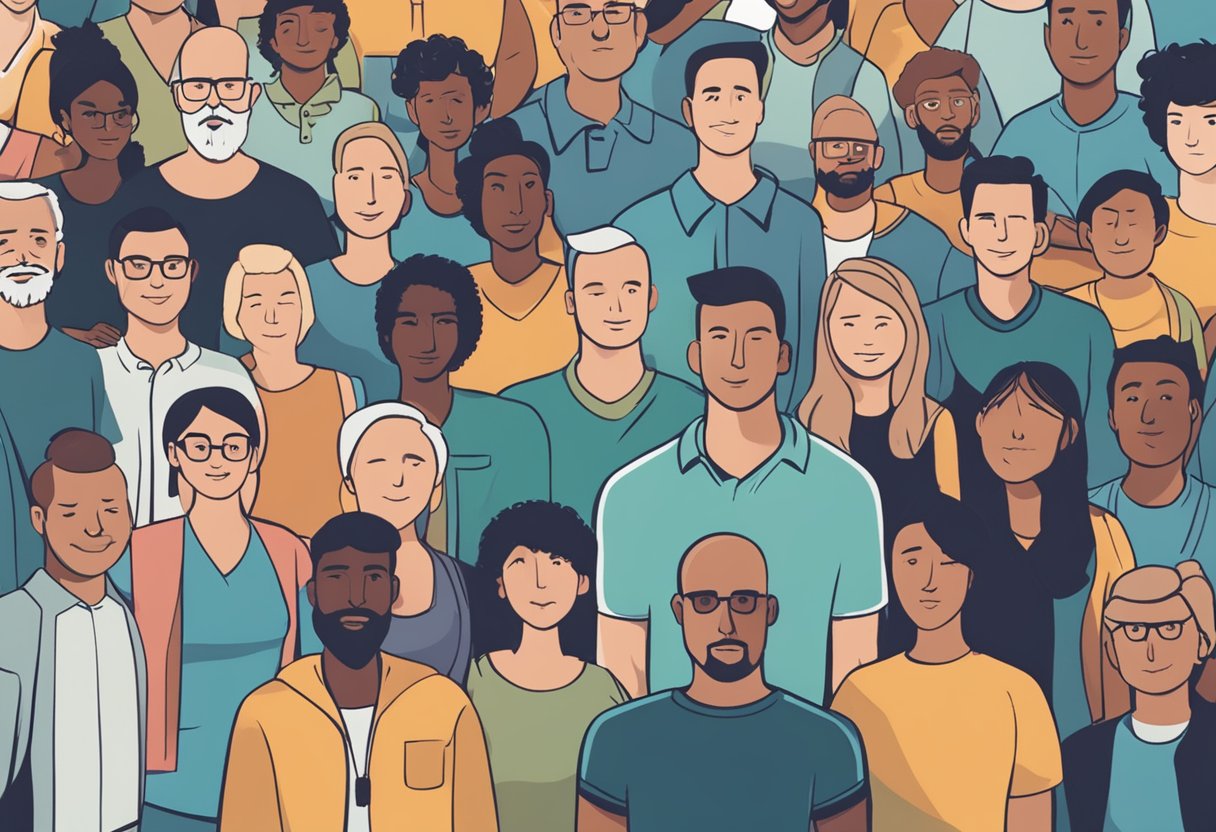
Building a strong network of people who understand your cancer journey can make a difference.
Connecting with others who’ve faced similar challenges provides comfort and practical advice.
Finding Your Community
As a two-time lymphoma survivor, I’ve learned that finding the right community is like joining a winning team.
Cancer support groups, both in-person and online, offer a safe space to share experiences and gather tips. Local hospitals often host meetings, while social media platforms have dedicated cancer warrior groups.
I found my tribe through a men’s cancer fitness program. We bond over workouts and swap stories about treatment side effects.
It’s like having a locker room full of teammates who get what you’re going through.
Don’t be shy about reaching out. Many cancer centers have peer mentoring programs that pair you with a fellow survivor.
These connections can be game-changers in your recovery journey.
Importance of Support for Cancer Warriors
A strong support system acts as your cheering squad during tough times.
Family and friends play crucial roles, but sometimes, they might not fully grasp what you’re experiencing.
That’s where fellow cancer survivors come in. They can offer practical advice on managing treatment side effects or navigating the healthcare system.
It’s like having seasoned veterans guiding you through the playoffs.
Consider joining a cancer-specific sports league or fitness class. Physical activity boosts your health and creates a sense of normalcy and achievement. Plus, it’s a great way to meet other men facing similar challenges.
Accepting help isn’t a sign of weakness – it’s a smart strategy for success.
Let your support team assist with daily tasks, accompany you to appointments, or listen when you need to talk.
Coping Strategies for Cancer Thrivers
As a two-time lymphoma survivor, I’ve learned valuable ways to handle the mental challenges that come with cancer. These methods can help you stay strong and positive during your journey.
Managing Anxiety and Scanxiety
Scanxiety is accurate, and I’ve felt it many times. Before scans, I focus on deep breathing exercises. They calm my nerves and clear my mind.
I also find comfort in talking to fellow survivors. We share tips and support each other. It’s like a team huddle before a big game.
Exercise helps, too. A brisk walk or gentle jog can reduce stress. It’s like warming up before a match – it prepares you for what’s ahead.
Writing in a journal lets me express my thoughts. It’s like reviewing game tapes – I can see patterns in my worries and find ways to tackle them.
Dealing with Fear of Recurrence
The fear of cancer coming back can be brutal. I’ve learned to face it head-on, like preparing for a formidable opponent.
I focus on what I can control. Eating well, staying active, and getting regular check-ups are key. It’s like following a training plan to keep in top form.
Mindfulness helps me stay in the present. When worries creep in, I redirect my thoughts to the here and now.
It’s similar to keeping your eye on the ball during a game.
I’ve found strength in support groups. Sharing experiences with others who understand is powerful. It’s like being part of a team—we lift each other up.
Setting new goals gives me purpose beyond cancer. Whether learning a new skill or planning a trip, it keeps me moving forward.
It’s like aiming for the next championship – always striving for more.
Wellness and Lifestyle Optimizations
After beating lymphoma twice, I discovered critical strategies for boosting wellness and quality of life. These approaches helped me regain my strength and find joy again.
Nutrition and Exercise
I fueled my recovery with nutrient-dense foods. Leafy greens, berries, and fatty fish became staples in my diet.
I aimed for 5-9 servings of fruits and vegetables daily. Lean proteins like chicken and legumes help rebuild muscle.
For exercise, I started slow with gentle walks. As I gained strength, I added swimming and cycling. These low-impact activities were kind to my joints. I set small, achievable goals each week.
Staying hydrated was crucial. I kept a water bottle handy and sipped throughout the day. Herbal teas also became a soothing part of my routine.
Mental Well-Being Practices
Mindfulness became my anchor during tough times. I practiced deep breathing exercises for 5 minutes each morning. This simple habit calmed my nerves and centered my thoughts.
Gratitude journaling shifted my perspective. Each night, I wrote down three things I was thankful for. Even on hard days, I found moments of light.
Connecting with other survivors gave me strength. I joined a support group where we shared tips and encouragement. These bonds reminded me I wasn’t alone in my journey.
I also rediscovered my love for sports. Watching games and discussing stats with friends brought normalcy and joy back into my life.
Navigating Cancer Treatment and Survivorship
As a two-time lymphoma survivor, I’ve learned valuable lessons about cancer care. Men facing cancer can benefit from understanding their options and planning for life after treatment.
Treatment Options and Decisions
When I first heard my diagnosis, I felt overwhelmed. But knowledge is power.
I asked my doctors about every treatment choice:
- Chemotherapy
- Radiation therapy
- Immunotherapy
- Surgery
- Clinical trials
Each option has pros and cons. I weighed them carefully with my healthcare team.
We considered:
• The type and stage of my cancer
• My overall health and fitness level
• Potential side effects
• impact on my daily life and work
My advice: Take an active role in your care. Ask questions.
Seek second opinions if needed. Trust your gut, but also trust the experts.
Survivorship Care Planning
After beating cancer twice, I know survivorship brings its challenges. A good plan helps you thrive post-treatment.
Key elements of my survivorship plan:
- Follow-up schedule with my oncologist
- Screening tests to watch for recurrence
- Managing long-term side effects
- Mental health support
- Nutrition and exercise goals
I also focused on rebuilding my strength through sports.
Swimming and cycling became my go-to activities. They helped me regain fitness and boost my mood.
Remember, survivorship is a team sport. Lean on your support network.
Join a support group for male cancer survivors. Share your story and learn from others who’ve walked this path.
Empowerment Through Sharing and Advocacy
Sharing my cancer journey and advocating for awareness has transformed my life as a male cancer survivor. These actions have given me purpose and helped others facing similar challenges.
Sharing Personal Cancer Experiences
I’ve found strength in opening up about my lymphoma battles. Talking about my cancer experiences with other men has created bonds and reduced feelings of isolation.
Joining a support group for male cancer survivors was a game-changer. We discuss treatment side effects, emotional hurdles, and ways to stay active during recovery.
Writing a blog about my journey has connected me with survivors worldwide. Sharing tips on managing fatigue and maintaining a positive mindset has been rewarding.
Speaking at local events has allowed me to inspire newly diagnosed patients. I emphasize the value of seeking support and staying physically active throughout treatment.
Advocating for Cancer Awareness
Becoming an advocate for cancer awareness has given me a sense of purpose.
I’ve organized charity runs to raise funds for lymphoma research.
Partnering with local sports teams has helped spread awareness among men. We’ve held “Cancer Awareness Nights” at games, encouraging early detection screenings.
I’ve lobbied lawmakers for increased cancer research funding. Sharing my story has put a face to the statistics and pushed for policy changes.
Creating a podcast featuring male cancer survivors has amplified our voices. We discuss topics like maintaining relationships and returning to work after treatment. -T
Frequently Asked Questions
Cancer can be tough, but there are ways to stay strong and positive. These questions cover how to support yourself and others through treatment and recovery.
What Are Comforting Words You Can Share With Someone Battling Cancer?
I’ve found that simple, sincere words mean the most. Saying “I’m here for you” or “You’re not alone” can make a big difference.
Offering specific help like “Can I bring dinner tomorrow?” shows real support. Avoid saying “stay positive” or making promises about outcomes.
How Can Positive Psychology Influence Cancer Treatment Outcomes?
Positive thinking can boost your immune system and help you cope with side effects.
During my treatments, I focused on gratitude and mindfulness. This helped me stay motivated for my therapies and follow my care plan.
What Methods Can Help Maintain a Positive Outlook During Cancer Recovery?
Setting small, achievable goals kept me going.
I’d aim to walk further each day or try a new healthy recipe weekly. Connecting with other survivors gave me hope and practical tips. Keeping a journal helped me process my feelings and see progress.
What Strategies Enhance Mental Strength Throughout Cancer Treatment?
I treated my recovery like training for a sport.
Visualization helped me picture my body healing. Deep breathing exercises calmed my nerves before scans. Learning about my cancer and treatment options made me feel more in control and less anxious.
What Essentials Should Be Provided To Support a Cancer Patient’s Needs?
Comfort items like soft blankets or favorite snacks can brighten tough days.
A calendar to track appointments and medications is crucial. Having someone to drive you to treatments and keep you company is a huge help. Good headphones for music or audiobooks can provide a nice escape.
How Do Miracle Cancer Recovery Stories Impact Patient Hope and Morale?
These stories can inspire, but they can also create unrealistic expectations. I prefer focusing on small, everyday victories.
Celebrating each milestone in my journey kept me motivated. Remember, every person’s cancer experience is unique.
