

Overcoming Fatigue After Treatment
As a two-time lymphoma survivor, I know firsthand the physical and emotional toll cancer takes on men. The journey doesn’t end with remission – many of us face burnout as we try to return to everyday life. Burnout can leave male cancer survivors feeling drained, unmotivated, and struggling to cope with daily tasks.

Cancer treatment pushes our bodies to the limit, and the mental strain can be just as challenging. We often feel pressure to “bounce back” quickly, but recovery takes time. It’s common to experience fatigue, brain fog, and mood changes even months after treatment ends.
Coping with burnout as a male cancer survivor requires a game plan. Just like training for a sport, we need to build our strength gradually and give ourselves time to rest.
Talking to other survivors, joining support groups, and working with our medical team can help us find ways to manage stress and regain our energy.
Key Takeaways
- Burnout is a common challenge for male cancer survivors after treatment
- Recovery requires patience and a gradual approach to rebuilding strength
- Connecting with other survivors and support systems aids in managing burnout
Understanding Burnout in Male Cancer Survivors
As a two-time lymphoma survivor, I’ve learned that burnout can hit hard after cancer treatment ends. Male survivors face unique challenges that can lead to physical and emotional exhaustion.
Defining Burnout
Burnout in male cancer survivors goes beyond feeling tired. A deep sense of emotional exhaustion can leave us feeling drained and disconnected. We might struggle to engage with loved ones or find joy in activities we once loved.
Symptoms can include:
- Constant fatigue
- Lack of motivation
- Feeling detached from others
- Difficulty concentrating
Burnout isn’t just being stressed. It’s a prolonged state of feeling overwhelmed and unable to cope with daily life after cancer.
Risk Factors and Symptoms
Several factors can increase the risk of burnout for male cancer survivors:
- Pressure to “be strong”
- Reluctance to seek help
- Changes in physical abilities
- Financial stress from treatment costs
Depersonalization is a common symptom. We might feel detached from our own experiences or emotions. This can make it hard to connect with others or enjoy life.
Physical symptoms can include headaches, muscle tension, and sleep problems. These issues can create a cycle that’s tough to break without support.
Impact of Burnout on Quality of Life
Burnout can significantly affect a male cancer survivor’s quality of life. It can strain relationships, hinder career progress, and make it challenging to maintain a healthy lifestyle.
Many of us struggle with:
- Decreased physical activity
- Poor nutrition habits
- Difficulty maintaining social connections
These challenges can lead to a higher risk of cancer recurrence and other health issues. Addressing burnout is crucial for long-term well-being and recovery.
Seeking help isn’t a sign of weakness. It’s a wise play in the game of life after cancer. Support groups, counseling, and physical activities like team sports can be game-changers in managing burnout and improving our quality of life.
The Medical Perspective on Cancer and Burnout
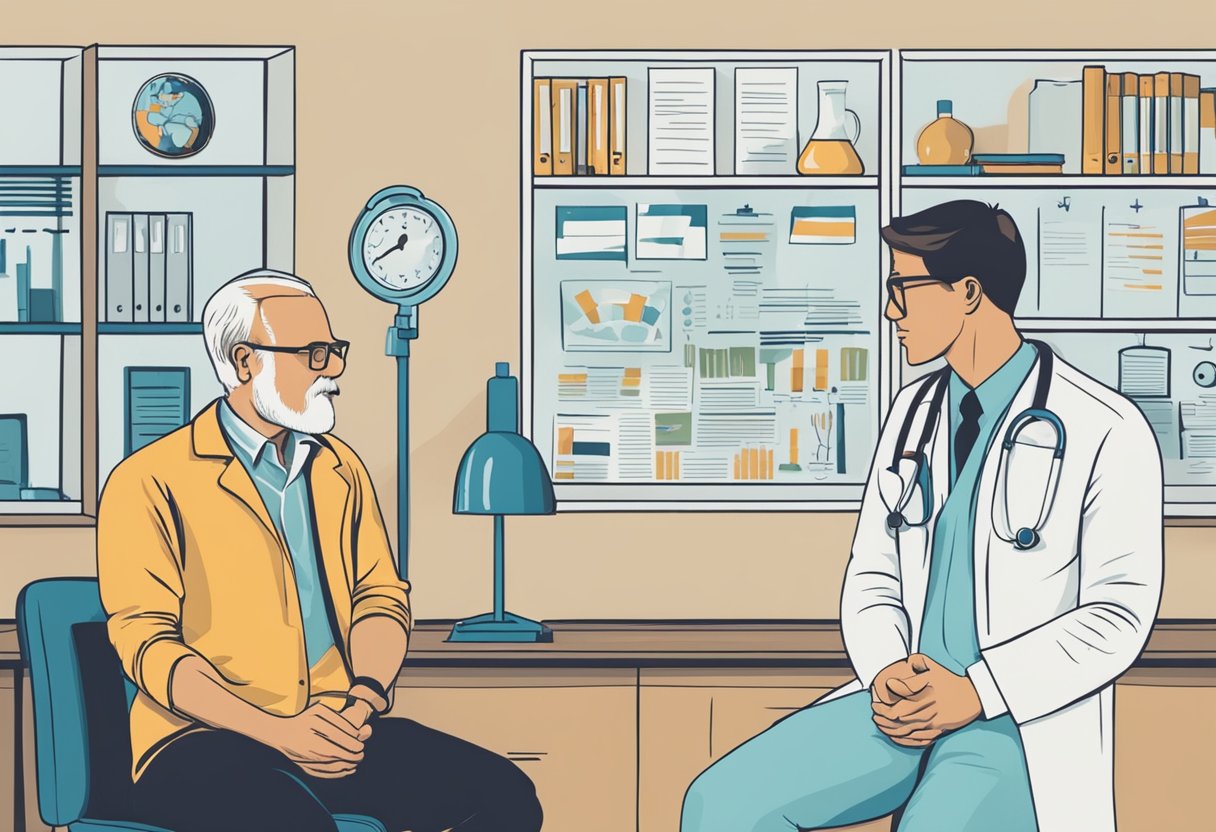
Cancer treatment takes a toll on patients and doctors alike. Burnout affects both groups, impacting care quality and recovery. Let’s explore how medical professionals view this challenge.
Oncology Professionals’ Role
As a two-time lymphoma survivor, I’ve seen firsthand how oncology professionals face burnout. Doctors, nurses, and staff work tirelessly to help us beat cancer. They juggle many patients, complex treatments, and emotional strain.
Oncologists often develop close bonds with us. This connection can be rewarding but also draining. They celebrate our victories and mourn our setbacks. Over time, this emotional rollercoaster can lead to exhaustion.
Some cancer centers now offer support programs for staff to combat burnout. These include counseling, wellness activities, and schedule flexibility. By taking care of themselves, oncology professionals can better care for us.
Systematic Review of Cancer Treatment
Systematic reviews reveal high burnout rates among cancer care providers. These studies look at emotional exhaustion, depersonalization, and personal accomplishment. The findings help shape strategies to support medical teams.
Cancer treatment has evolved rapidly. New therapies bring hope but also complexity. Doctors must stay current with research while managing heavy caseloads. This pressure can lead to fatigue and stress.
For us male cancer survivors, understanding provider burnout is crucial. It affects our care quality and outcomes. By supporting our medical team, we can help create a more favorable treatment experience for everyone.
Exploring the Intersection of Physical and Mental Health
Cancer treatment affects both body and mind. As a two-time lymphoma survivor, I’ve experienced how physical symptoms and mental challenges intertwine during the recovery journey.
Physical Side Effects of Cancer Treatment
Cancer treatments can leave lasting impacts on the body. I dealt with extreme fatigue that made even simple tasks exhausting. My muscles weakened from extended hospital stays.
Nausea and appetite loss made eating a chore. Some days, I could barely keep food down. Hair loss changed how I saw myself in the mirror. It was a constant reminder of my illness.
Pain became a frequent companion. Nerve damage from chemo caused tingling in my hands and feet. These physical challenges tested my resolve daily.
Mental Health Challenges for Survivors
The emotional toll of cancer can be overwhelming. I faced periods of anxiety and depression as I grappled with my diagnosis and uncertain future.
Fear of recurrence lingered even after treatment ended. Every new ache sparked worry. Survivor’s guilt crept in when I thought of others who didn’t make it.
Stress about medical bills and work added to my mental burden. Relationships changed as some friends struggled to relate to my experience.
I found solace in support groups and therapy. Connecting with other survivors helped me feel less alone, and exercise, like gentle walks or yoga, boosted my mood and energy.
Lifestyle and Behavioral Approaches to Managing Burnout

As a two-time lymphoma survivor, I’ve learned valuable strategies to combat burnout. These methods focus on physical activity, proper nutrition, quality sleep, and avoiding harmful substances.
Exercise and Nutrition
Regular exercise has been a game-changer in my burnout recovery journey. I aim for 30 minutes of moderate activity five days a week. This can include brisk walking, swimming, or cycling.
Strength training twice a week, using resistance bands or light weights at home, has helped me regain muscle mass lost during cancer treatment.
Proper nutrition fuels my body and mind. I eat a balanced diet of fruits, vegetables, and lean proteins. Adequate iron intake is crucial for energy levels. Good sources include:
- Lean red meat
- Spinach
- Lentils
- Fortified cereals
I also stay hydrated by drinking water throughout the day. This simple habit boosts my energy and mood.
Improving Sleep Habits
Quality sleep is vital for managing burnout. I aim for 7-9 hours each night. To improve my sleep, I:
- Stick to a consistent sleep schedule
- Create a relaxing bedtime routine
- Keep my bedroom cool and dark
- Avoid screens for an hour before bed
I’ve found that regular exercise helps me fall asleep faster and improves my sleep quality. However, I avoid intense workouts close to bedtime.
If I wake up during the night, I practice deep breathing or listen to calming music instead of checking my phone.
Avoidance of Harmful Substances
Steering clear of harmful substances has been crucial in my burnout recovery. I limit alcohol consumption to special occasions. When I do drink, I stick to one or two drinks maximum.
I’ve cut out caffeine after 2 PM to avoid sleep disruptions. Instead, I opt for herbal teas or decaf options in the afternoon.
Smoking is a strict no-go for me. As a cancer survivor, I know the risks all too well. If you’re struggling to quit, talk to your doctor about cessation programs or nicotine replacement therapies.
I also avoid processed foods and excessive sugar. These can lead to energy crashes and mood swings, worsening burnout symptoms.
The Role of Social Support Systems
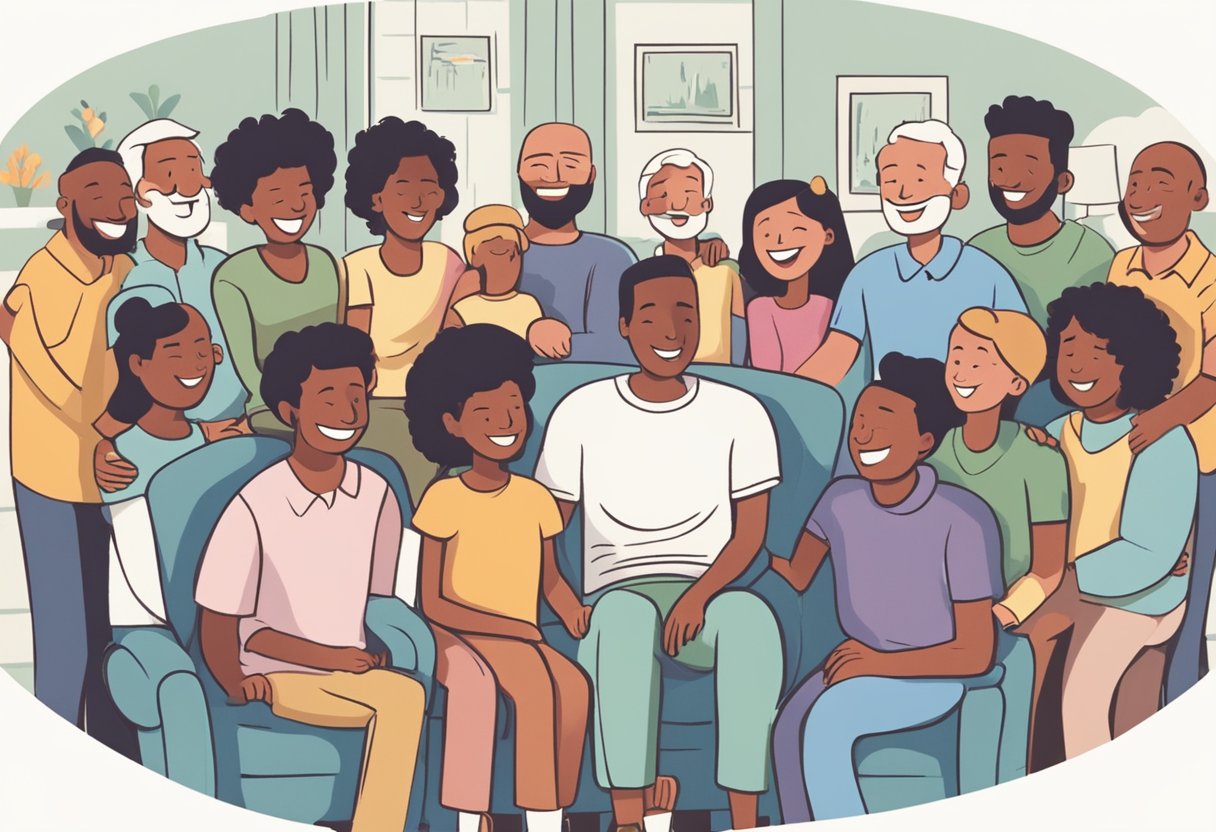
Social support systems play a key role in helping male cancer survivors cope with burnout. These systems provide emotional strength and practical aid during tough times and boost recovery and well-being after treatment.
Involvement of Caregivers
Caregivers are the unsung heroes in a cancer survivor’s journey. My wife was my rock during my lymphoma battles. She took on extra tasks, drove me to appointments, and gave me hope when I felt down.
Caregivers need support, too. I learned it’s crucial to communicate openly with them. Sharing feelings and needs helps prevent misunderstandings and reduces stress for both parties.
Support groups for caregivers can be a game-changer. They offer a place to share experiences and get advice. This support helps caregivers avoid burnout and provide better care.
Community and Peer Support
Fellow cancer survivors can offer unique understanding and support. I found great comfort in talking with others who’d been through similar experiences.
Local support groups are fantastic resources. They create a safe space to share fears, triumphs, and coping strategies. Online forums can also be helpful, especially for those in rural areas.
Sports teams for cancer survivors have been a surprising source of strength. Playing basketball with other survivors helped me regain physical confidence. It also gave me a sense of belonging and purpose beyond my diagnosis.
Embracing New Normals
As a two-time lymphoma survivor, I’ve learned that life after cancer is different. My body changed, and so did my outlook.
I found new ways to stay active, like swimming and yoga, which helped me regain strength. My eating habits shifted, too—I now focus on nutrient-rich foods to support my recovery.
Cancer survivorship means accepting a new version of myself. Some days are tough, but I’ve grown to appreciate small victories.
Connecting with other survivors at support groups gave me hope and practical tips for managing side effects.
Work-life required adjustments. I was open with my team about my needs and found flexible arrangements that allowed me to ease back in.
This honesty helped reduce stress and allowed me to focus on healing.
Long-Term Coping Strategies
Developing a toolkit of coping methods has been crucial to my ongoing recovery. Regular exercise, like morning runs or basketball with friends, boosts my mood and energy.
Meditation and deep breathing help me manage stress and anxiety.
I’ve found that setting achievable goals keeps me motivated. Whether improving my golf swing or learning a new skill, having targets gives me purpose.
Celebrating these wins, no matter how small reinforces my progress.
Staying connected with my healthcare team is crucial. I schedule follow-ups and screenings as recommended.
Being proactive about my health helps me feel in control and catch any issues early.
Talking openly about my experiences with trusted friends and family has been healing. Their support reminds me I’m not alone on this journey.
I hope to help other men facing similar challenges by sharing my story.
Professional and Healthcare Systems Response to Burnout
As a two-time lymphoma survivor, I’ve seen firsthand how burnout affects health professionals. Medical teams are taking steps to tackle this problem head-on, focusing on better support and work-life balance.
Strategies in Oncology Care
Oncology departments are implementing new approaches to combat burnout. Many hospitals now offer flexible scheduling and reduced hours for medical oncologists.
This helps us recharge and avoid exhaustion.
Team-based care models are gaining traction. By sharing patient loads, we can provide better care without burning out. Some centers have started mindfulness programs and stress management workshops.
Technology is also playing a big role. Electronic health records are being streamlined to reduce administrative work.
This lets us focus more on patient care and less on paperwork.
Evolving Practices Post-Covid-19 Pandemic
The COVID-19 pandemic forced quick changes in healthcare. Many of these changes are staying to help prevent burnout.
Telemedicine has become a game-changer. It allows us to see more patients while reducing travel and exposure risks.
This flexibility has been a win-win for both doctors and patients.
Hospitals are putting more emphasis on mental health support. Regular check-ins and counseling services are now standard.
Some places even offer retreats for their staff to decompress.
Training programs now include burnout prevention techniques. New doctors learn coping skills alongside medical knowledge.
This proactive approach aims to build a more resilient workforce. -T
Frequently Asked Questions
Cancer survival brings unique mental and emotional challenges. As a two-time lymphoma survivor, I’ve faced many common concerns that other men often ask about. Let’s explore some key questions.
What are the long-term psychological effects of surviving cancer?
Cancer survival can lead to feelings of anxiety and depression. I’ve experienced mood swings and fear of recurrence. These effects can last for years after treatment ends.
Survivors may also struggle with self-image changes. Body alterations from surgery or treatment can impact confidence and relationships.
How can stress and anxiety impact the prognosis of cancer patients?
Stress and anxiety can weaken the immune system. This may affect how well the body fights cancer cells.
I found that managing stress through exercise and meditation helped me feel stronger during treatment.
Anxiety can also lead to poor sleep and appetite. These factors can slow recovery and impact overall health.
Are there psychological aspects that affect cancer recurrence or progression?
While psychology alone doesn’t cause cancer to return, mental health can influence behaviors. Depression might lead to skipping follow-up appointments or neglecting self-care.
Chronic stress can impact hormone levels and inflammation in the body. To support my health, I focus on staying positive and active.
How might cancer survival influence an individual’s personality and mental state?
Surviving cancer often leads to a shift in priorities. I became more appreciative of small joys and less concerned with trivial matters.
Some survivors develop post-traumatic stress symptoms. Others find new strength and resilience they didn’t know they had.
How do patients often cope with the mental and emotional changes post-cancer treatment?
Many survivors find solace in support groups. Sharing experiences with others who understand can be healing.
I turned to sports to rebuild my strength and confidence. Physical activity helped me positively reconnect with my body.
Is it common for cancer survivors to struggle with feeling ‘normal’ after treatment, and what contributes to this?
Feeling ‘normal’ after cancer can be challenging.
Physical changes, ongoing fatigue, and fear of recurrence all play a role.
Societal expectations to ‘bounce back’ quickly can add pressure.
Small, achievable goals helped me redefine my new standard at my own pace.
