

Strengthening Bonds Through Support
Building trust is essential, especially for men who have faced cancer. As someone who has survived lymphoma twice, I understand the power of trust-building activities.
Whether you gather for a group exercise or share experiences, such activities foster a deep connection. Trust helps heal and grow, creating a supportive environment where everyone feels understood.

Incorporating these activities into your life can significantly impact your well-being.
Pinball, for example, is a group exercise that increases confidence and engagement.
Establishing trust becomes crucial when receiving care; these activities can enhance the shared connection between you and those around you.
As you navigate your journey, remember that you’re not alone. Shared activities build trust and enhance communication and understanding among cancer warriors.
Fostering these connections makes your path to recovery and beyond more supportive and empowering.
Key Takeaways
-
- Trust-building activities help enhance your connections.
- Group exercises foster mutual understanding and support.
- Shared activities improve communication and healing.
The Foundation of Trust
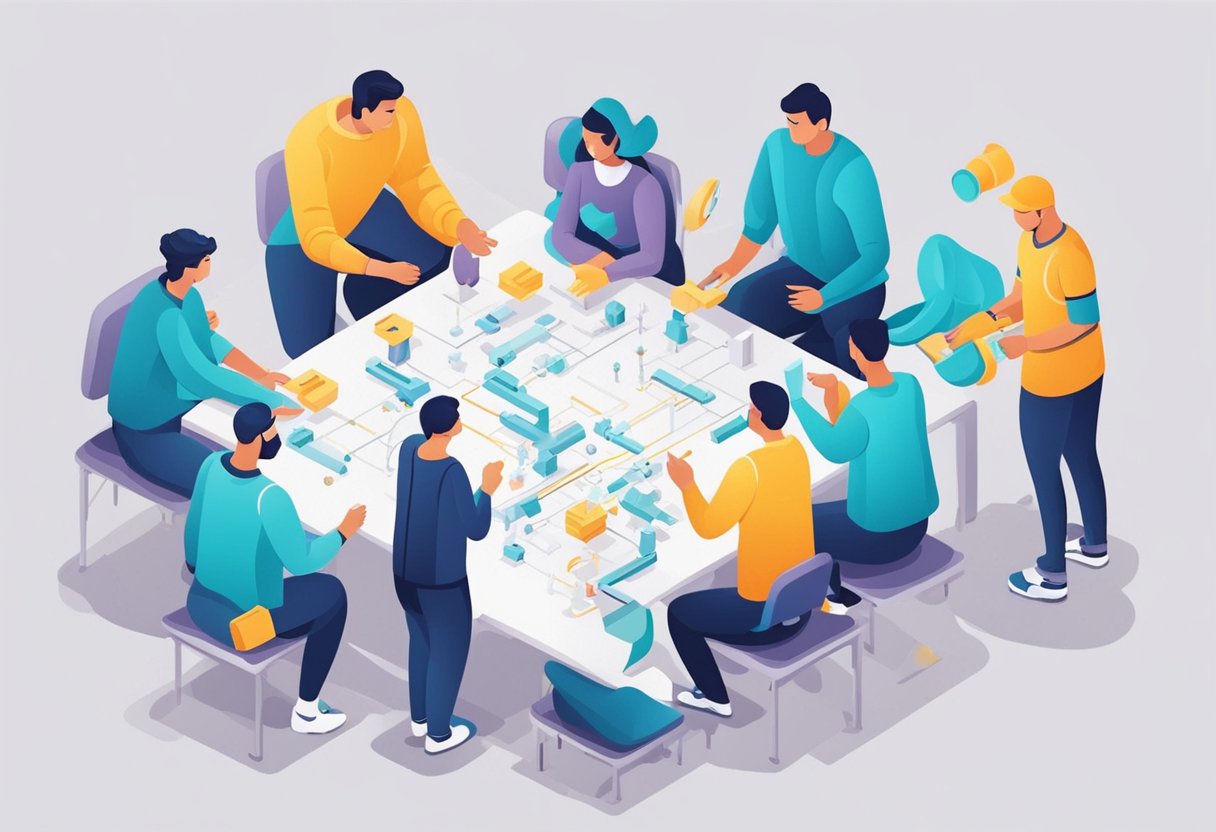
Engaging in trust-building activities can help survivors connect deeper with others. This connection fosters emotional intimacy and sincerity.
Understanding Trust and Vulnerability
Trust forms the base of any strong relationship, especially for men recovering from cancer. Having faced your life-changing illness, you understand how opening up can be challenging yet rewarding. Showing vulnerability means sharing those fears and uncertainties.
Trust blossoms when this vulnerability is met with support and understanding.
Group exercises like team sports or shared outdoor activities build trust. These exercises require you to rely on others, enhancing mutual respect and emotional connections.
Nurturing Honesty and Transparency
Honesty and transparency are key to trust.
Being open about your journey as a survivor helps others see your sincerity. They are more likely to be honest and transparent with you.
By sharing your experiences openly, you encourage others to do the same.
Activities that promote open communication, such as group discussions or trust games, can help. These activities foster a safe space where everyone feels heard and understood, strengthening the bonds of trust.
Communication: The Heart of Connection

Clear communication fosters solid relationships and builds trust, especially during challenging times. Focusing on open communication, active listening, and empathy helps create an emotional connection.
Fostering Open Communication
Open communication is vital in any relationship, particularly for men battling cancer.
Sharing feelings and experiences can break down barriers.
Setting aside time to talk without distractions is helpful, ensuring each person feels heard and respected.
Using “I” statements can also be beneficial.
For example, saying “I feel worried” instead of “You make me worried” focuses on personal feelings without placing blame.
This approach encourages a smoother flow of conversation and deepens mutual understanding.
Active Listening and Empathy
Active listening involves giving full attention to the speaker, acknowledging their thoughts, and providing appropriate feedback. Nodding or summarizing what the other person has said shows you genuinely care.
Empathy goes hand in hand with active listening.
Try to put yourself in the other person’s shoes.
This means understanding their emotions and reacting with compassion, which can be especially powerful for those fighting cancer.
By showing that you care and genuinely understand their struggles, you can foster an emotional connection that supports their journey.
Creating a Supportive Environment
Engaging in activities that promote trust can help survivors connect with others. Group exercises and shared experiences build mutual understanding and trust.
Building Team and Family Dynamics
Building robust team and family dynamics is essential for creating a supportive environment.
Activities that encourage open communication and active listening are key.
For example, team-building exercises like trust falls or problem-solving challenges can foster mutual respect.
Family members can join group therapy sessions to share experiences.
Sharing meals also helps strengthen family bonds. Simple activities like a movie night can make a big difference.
Encourage open expressions of feelings within the group. Be supportive and understanding, and always listen without judgment.
Encouraging Collaboration and Teamwork
Encouraging collaboration and teamwork among survivors boosts morale.
Team sports like basketball or soccer can create a sense of camaraderie.
Working together on community projects can also help.
Let each member play to their strengths.
Group leaders should assign roles based on individual abilities and interests. This promotes a sense of purpose and belonging.
Frequent check-ins and discussions about progress are vital.
Celebrate small victories to build confidence and motivation.
You can refer to this guide for more ideas on creating a supportive environment.
Trust-Building Exercises
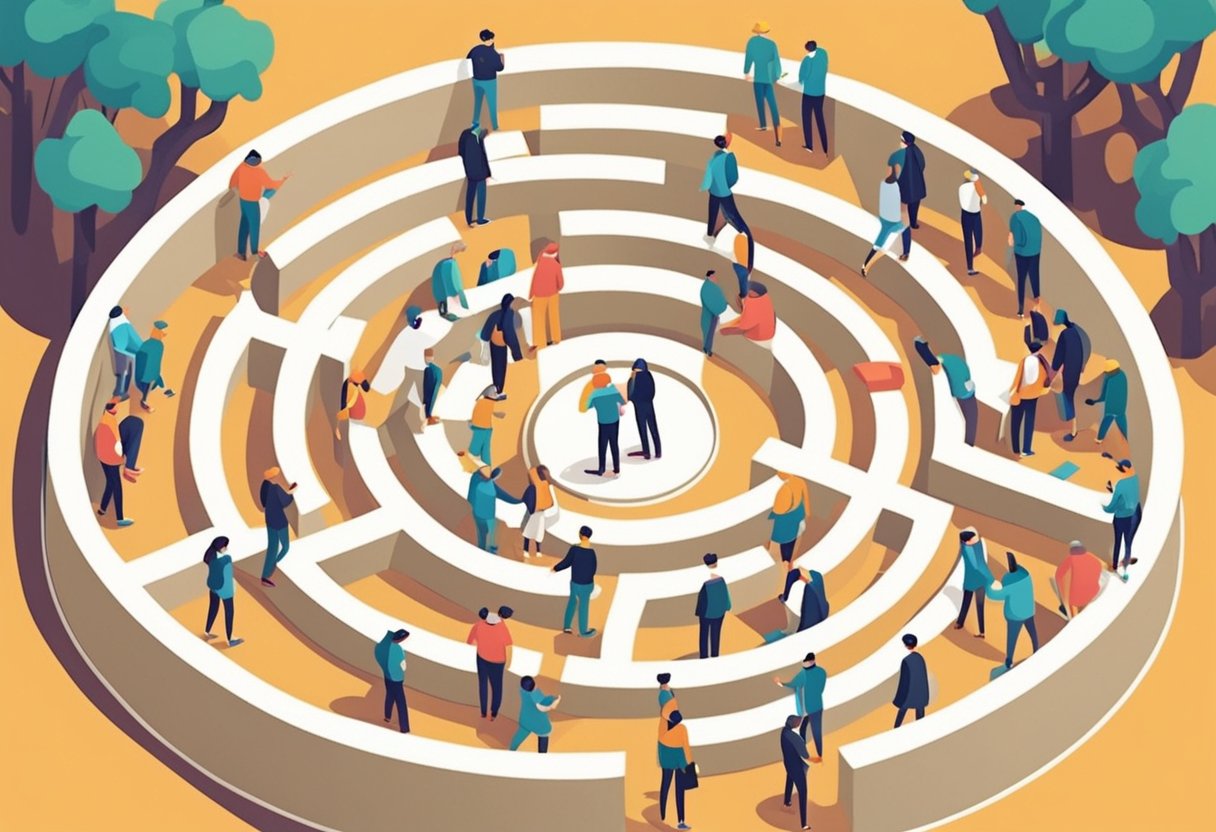
Building trust through exercises can strengthen bonds and create a sense of unity among cancer warriors. Male cancer survivors can find these activities both empowering and healing.
Engaging in Team Building Activities
Team-building activities are designed to foster trust and collaboration.
The trust fall is a classic example. You stand with your back to a group and fall backward, trusting they will catch you.
This exercise builds confidence in your team members and their support.
Another valuable activity is the trust walk.
A partner blindfolds you and guides you through an obstacle course. This activity requires clear communication and complete reliance on your partner.
Both exercises help foster mutual trust and cooperation.
Problem-solving exercises, like escape rooms or treasure hunts, also promote teamwork.
You and your team must work together to solve puzzles, encouraging creative thinking and collaboration.
These activities can be an enjoyable way to bond with others while building trust.
Group sports such as basketball or soccer offer physical and mental benefits.
They require teamwork, communication, and trust. These activities can help you connect with fellow survivors, fostering a supportive community.
Personal Growth through Trust Exercises
Trust exercises can contribute significantly to personal growth.
They require vulnerability and courage, two qualities essential for cancer survivors.
Engaging in these exercises can build your self-esteem and foster a positive outlook.
Role-playing activities, like acting out various scenarios, can help you confront fears and build emotional resilience.
These exercises enhance your empathy and understanding, strengthening your relationships.
Mindfulness exercises, such as guided meditation or yoga, promote self-awareness and trust in your abilities.
These practices help you manage stress and connect with others on a deeper level.
Participating in a support group can provide opportunities for trust-building through shared experiences.
Opening up about your journey creates a safe space for others to do the same. This mutual exchange fosters deep trust and camaraderie.
Creative activities, like collaborative art projects, can also enhance trust.
Working together to create something beautiful encourages open communication and shared goals. These experiences can be both therapeutic and empowering.
Healing and Growth

Healing and growth after surviving cancer involve rebuilding trust and emotional connections. This process requires forgiveness, letting go of past hurts, and fostering emotional intimacy with others.
Rebuilding Trust After Betrayal
Rebuilding trust, especially after betrayal, can be challenging.
When you’ve faced betrayal during your cancer journey, it can add to the stress, depression, and loneliness you might already feel.
The first step in rebuilding trust is communicating openly and honestly. Share your feelings and allow others to do the same.
Group exercises can help foster mutual understanding.
Activities like team sports or shared hobbies enable you to connect with others in a supportive environment. These activities promote patience and mutual respect, which are critical components in rebuilding trust.
Remember, rebuilding trust takes time, and staying committed to the process is essential.
The Role of Forgiveness and Letting Go
Forgiving those who have hurt you can be a significant part of healing.
Holding onto resentment increases stress and can affect your physical and emotional well-being.
To start, acknowledge the pain and decide to let it go.
Forgiveness doesn’t mean forgetting but understanding and moving forward.
Letting go involves both forgiveness and focusing on the present.
It’s about relieving yourself from the burden of constant stress and anger.
Engaging in mindfulness practices like meditation or yoga can aid in this process.
Forgiveness allows for re-establishing emotional intimacy, helping you build more substantial and supportive relationships.
The Journey of a Cancer Warrior
Men facing cancer often experience intense emotional journeys and need compassionate support. Their struggles and triumphs shape them profoundly.
Understanding the Emotional Landscape
The journey through cancer is filled with a range of emotions. Anxiety can be a constant companion. You worry about treatment, side effects, and the future. A cancer diagnosis can make you feel like you’re in a never-ending mystery without knowing what to expect next.
You might feel isolated. Connections with friends and family can suffer, and it’s common to experience mood swings. Sharing feelings with others who understand can be healing. Support groups made of fellow survivors can provide this outlet.
Staying active can also help manage emotional strains. Activities like walking or yoga can reduce stress and create a supportive environment where trust and understanding grow.
Cultivating Compassion and Support
Compassion from others can make your journey smoother. Friends, family, and healthcare providers play crucial roles in emotional support. They help you manage daily challenges and celebrate small victories. Trust-building activities are key to fostering these relationships.
Participating in group exercises can help build mutual understanding. These activities allow you to feel less alone and more empowered. Compassion grows when everyone involved understands the hardships and offers genuine care.
Support can also come from unexpected places, like community programs or online forums. Connecting with people who have faced similar struggles can be uplifting. They offer practical advice and emotional encouragement.
Building compassionate relationships means sharing your journey openly. This promotes healing and forges strong bonds. Whether talking about your feelings, joining a support group, or staying active together, cultivating compassion helps you move forward with strength.
Enhancing Trust through Shared Activities
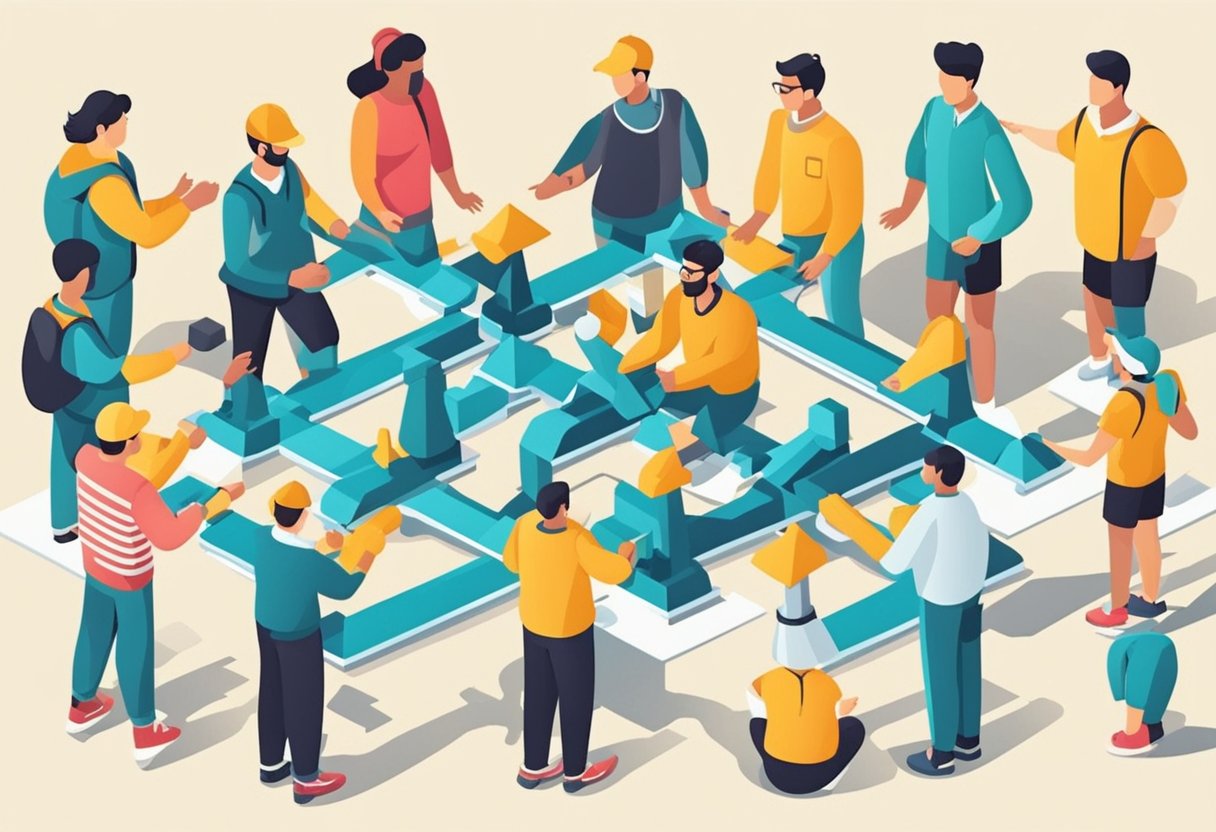
Engaging in activities that promote trust can help survivors connect with others. Group exercises and shared experiences build mutual understanding and trust.
Adventures in Team Bonding
Participating in team bonding activities can be an effective way to strengthen trust among male cancer warriors. Activities such as hiking, camping, and sports foster camaraderie. They encourage you to rely on and support one another.
Roles and games: Try incorporating role-playing games or scavenger hunts. This can help enhance problem-solving skills while having fun. Another great idea is volunteering for community clean-ups or charity events.
Team challenges present opportunities to overcome obstacles together. They highlight each member’s strengths and build confidence. Sharing victories and defeats strengthens the bonds.
Mindfulness and Emotional Presence in Relationships
Mindfulness practices can profoundly impact your relationships. Try engaging in group meditation sessions or yoga. These activities help cultivate calmness and emotional awareness.
Emotional presence: Practice being present and listening actively. This means engaging in conversations without distractions. Share your feelings and encourage others to do the same.
Quality time is vital. Dedicate time to activities that promote relaxation and emotional connection. Simple acts like sharing meals or walks can create meaningful moments. Laughter is powerful; humor can alleviate stress and strengthen bonds.
Role-playing trust exercises for couples can also be beneficial. They can enhance communication skills while building deeper connections based on mutual respect and understanding.
The Debate
When it comes to trust-building exercises for men who have survived cancer, there are mixed feelings. Some believe these activities can create lasting connections, while others are more skeptical.
Pros:
- Supportive Environment: Participating in group activities can foster a sense of camaraderie and shared understanding.
- Shared Goals: Engaging in tasks with mutual aims can help build trust and cooperation.
Cons:
- Vulnerability: Some men might feel exposed to sharing personal experiences in a group setting.
- Diverse Needs: Not every survivor will benefit from the same activities or approaches to building trust.
Reflecting on my journey through lymphoma, engaging in team sports or outdoor activities like high ropes courses can form strong bonds among men.
Challenges:
- Personal Comfort: Not everyone feels comfortable participating in potentially emotional group exercises.
- Time Commitment: Group activities often require a significant time investment, which can be hard to balance with other responsibilities.
By addressing these challenges thoughtfully, you can create an environment where trust can blossom gradually. Finding the right balance is key, whether through sports or joint activities.
For those who doubt the effectiveness of trust-building exercises, consider the success stories like mine. Utilizing group efforts in supportive settings can make all the difference in rebuilding relationships and trust after facing the rigors of cancer.
Final Thoughts
As someone who has survived lymphoma cancer twice, I understand the challenges you face. Building trust is essential in this journey, especially for men dealing with cancer.
Engaging in trust-building activities can have a profound impact. Simple actions like attending group therapy or participating in team sports foster mutual support. These shared experiences help you connect with others who understand what you are going through.
Group exercises are beneficial. You might join a support group to share your feelings and listen to others. This not only builds trust but also reduces feelings of isolation.
Physical activities like joining a local sports league or gym can also enhance trust. Working out with others builds camaraderie and provides a healthy outlet for stress.
Consider these trust-building activities:
- Group Therapy Sessions: Share and listen, fostering mutual understanding.
- Team Sports: Join leagues that match your fitness level.
- Volunteer Work: Serve your community, giving and receiving trust.
Listening is key. Actively listen to others’ stories. It shows empathy and helps build strong bonds. Sometimes, just being present can mean a lot.
Trust is built over time. Be patient with yourself and others. Small steps every day can lead to meaningful connections. These activities benefit your mental well-being and can lead to lasting friendships and a strong support network.
Remember, you are not alone in this journey. Engaging in activities that build trust will help you connect and create a supportive community as you continue to thrive. -T
Frequently Asked Questions
Engaging in trust-building activities helps connect cancer survivors with others. Shared experiences foster mutual understanding and strong connections. These activities are tailored for men who have battled cancer.
What practical trust-building exercises are suitable for leadership teams that include cancer warriors?
Leadership teams can gain trust through activities like team sports, trust falls, and ropes courses. These exercises create reliance on each other’s support and build strong bonds. Dr. Judah Folkman’s approach can inspire such activities, highlighting strategies to fight cancer that reflect teamwork and trust.
How can small groups engage in trust-building activities that are sensitive to the experiences of male cancer survivors?
Small groups can build trust by sharing personal stories, participating in low-impact outdoor activities, and playing cooperative games. These exercises should respect physical limitations and emotional states. Respect and empathy are keys to such activities, ensuring everyone’s experience is valued.
What psychological trust exercises can benefit individuals facing challenging health conditions like cancer?
Psychological trust exercises include guided meditation, group therapy sessions, and sharing coping mechanisms. These activities focus on emotional bonds and collective strength. They help normalize expressing feelings and addressing vulnerabilities, fostering a supportive environment.
Can you suggest educational trust-building activities that suit students and accommodate cancer patients?
Educational activities for students and cancer patients can include group projects, peer mentoring, and collaborative problem-solving games. These activities build trust while considering individual health needs, encouraging learning and support among participants.
What trust-building activities are recommended for adults, especially those undergoing cancer treatment?
Adults in cancer treatment benefit from activities like yoga, mindfulness workshops, and creative arts sessions. These exercises promote relaxation, reduce stress, and build trust in a shared, non-judgmental space. They are accessible and inclusive, accommodating various physical conditions.
Which trust-building exercises are most beneficial in group therapy sessions, particularly for those battling cancer?
Trust exercises benefit group therapy sessions. Examples include open dialogues, role-playing scenarios, and collaborative art projects. These activities strengthen group cohesion and create a safe environment for participants to share and support each other.
