

A Thriver’s Guide to Self-Acceptance
Embracing our journey with cancer is a deeply personal and transformative process. As thrivers, we navigate a path wrought with challenges yet rich with opportunities for growth and connection.
Our shared stories are testimonies of resilience and hope, offering solace and inspiration to fellow travelers on this demanding yet enlightening road.

While the terrain of living with cancer can be unpredictable, we find strength in the pursuit of wellbeing on all fronts.
Physical battles aside, we actively nurture our mental and emotional spirits. We also cultivate a supportive community that understands the intricate dance of our day-to-day life.
This solidarity empowers us to advocate for our needs and the needs of others, raising awareness and fostering a network radiating compassion.
Key Takeaways
- Our experiences as cancer thrivers unite us in resilience and solidarity.
- We prioritize emotional wellbeing and create robust support systems.
- Advocate for ourselves and others to promote greater understanding and support.
Understanding Cancer

Cancer affects us in profoundly personal ways, touching lives with its complex biology and multitude of forms. The intricacies of cancer reveal the challenges we face and overcome as a community.
Types of Cancer
There are numerous types of cancer, each with its unique pathology, prognosis, and treatment options.
We acknowledge common cancers affecting men, such as prostate cancer, lung cancer, and colorectal cancer, each requiring tailored approaches to diagnosis and care.
Our collective experience also recognizes less common types, like testicular cancer and lymphoma, my formidable foes twice defeated.
- Prostate Cancer: Often presents with urinary issues; routinely screened using PSA tests.
- Lung Cancer: Look for persistent cough or breathlessness; CT scans aid in early detection.
- Colorectal Cancer: Changes in bowel habits can be a sign; colonoscopy is the gold standard for diagnosis.
Signs and Symptoms
Symptoms present a signal our bodies cannot ignore, urging us to seek professional advice.
While each cancer type manifests differently, we watch for several common signs:
- Unusual lumps or swelling
- Persistent, unexplained pain
- Noticeable changes in moles or skin
- Unintended weight loss
Persistent symptoms merit a conversation with a healthcare provider. This leads us to appropriate cancer diagnosis methods such as biopsies, blood tests, and imaging scans.
We can pursue a game plan with timely detection, tackling cancer head-on with precision treatments and unwavering support.
Navigating the Diagnosis

The moment we receive a cancer diagnosis, our world may seem to turn upside down. Everything from now on revolves around regaining our health and navigating this new reality.
Initial Reactions
We might feel a storm of emotions when we first hear the word “cancer.” Shock, denial, and fear are expected guests in our mind’s meeting room.
It’s crucial to permit ourselves to feel these emotions, as they are part of the natural order in processing such life-altering news.
We gather our thoughts, steady our breath, and gear up mentally for the journey ahead.
Seeking Second Opinions
We must ensure the accuracy of our diagnosis! Read that again.
Seeking a second opinion is a practical step, not a sign of distrust. It’s about gathering as much information as possible to make informed decisions about our treatment plan.
When I faced my lymphoma, consulting different oncologists provided a broader view of my condition, fostering a tailor-made approach to combat the disease. It also offered a deeper understanding and control over the decisions that affected my health and peace of mind.
By actively engaging in this process, we forge a path that aligns with our unique circumstances, paving the way toward a solution that feels right for us. We remember we’re not alone on this journey.
Treatment Adventures

Navigating the challenging waters of cancer treatment, we find ourselves in what can be termed ‘Treatment Adventures.’ Each of us faces varying therapies, but we journey through with a shared resilience.
Chemotherapy and Radiation
Chemotherapy brings a rigorous routine to our weeks, often defined by cycles and regimens tailored to attack the cancer cells within us.
We share in this defense, feeling each session’s impact in fatigue and our adversary’s hopeful destruction.
Radiation therapy then targets the cancer more precisely, where powerful, focused beams wage a localized battle against the malignancy.
Surgery Options
Surgery presents another path on our map; for us, it’s a calculated decision between risks and potential gains.
We weigh options like lymph node removal or tumor resection, always in close consultation with our medical team to ensure we choose the path that best aligns with our individual conditions and recovery goals.
Understanding Medical Protocols
Familiarizing ourselves with medical protocols, we actively participate in our treatment planning.
This might mean understanding why specific medical tests are necessary or what post-treatment care we should prepare for.
Here, in the nitty-gritty details of these protocols, we find clarity and specific empowerment over the uncertainty of cancer.
Support and Community
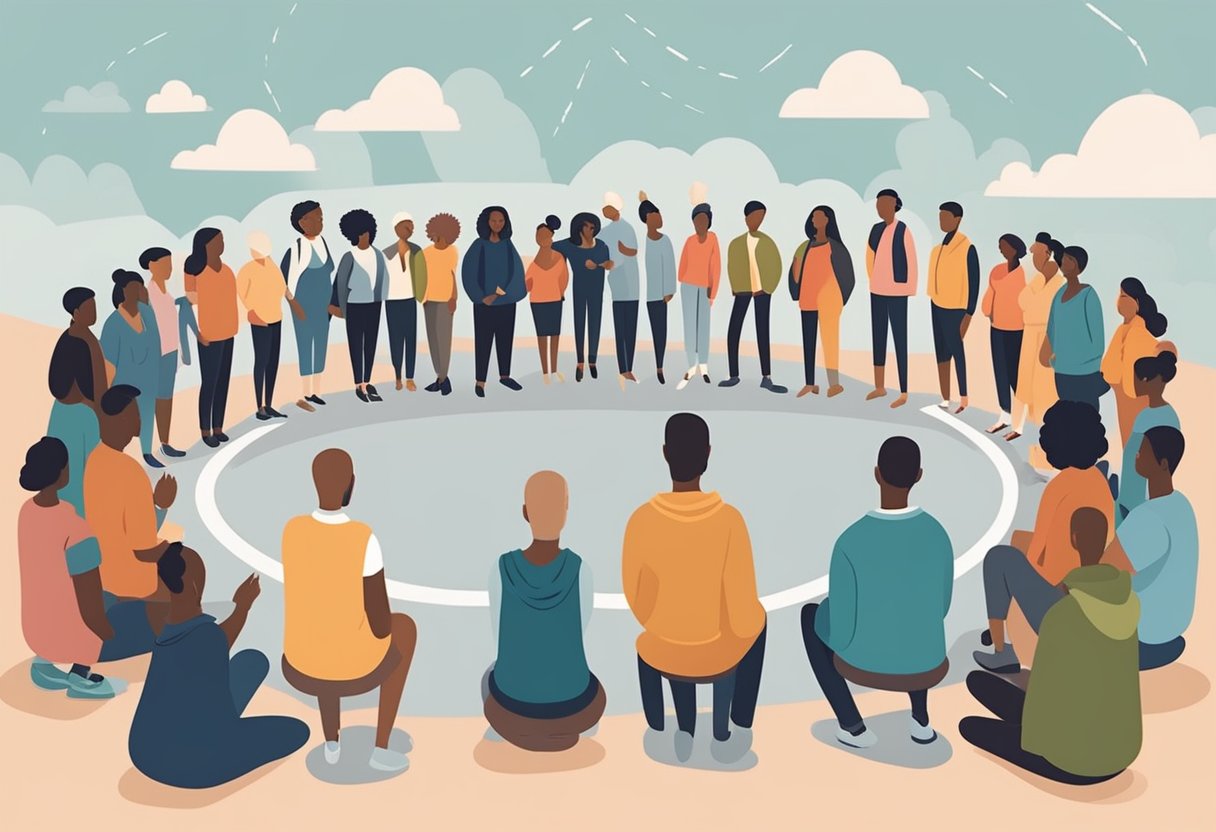
We know the road to recovery is not walked alone; it is filled with the support of family, friends, and dedicated caregivers. A strong community provides comfort, advice, and understanding through each stage of our journey.
Family and Friends
Our loved ones around us. They offer a network of care, stepping in when we need a moment of strength or a reason to smile.
The family ensures our household runs even when we’re sidelined, while friends supply endless encouragement.
They may not always know what to say, but their presence is a silent vow of solidarity.
- Companions: They listen, they hold our hands, and they show up, proving actions often speak louder than words.
- Caregivers: The unsung heroes in our homes who balance their lives with our needs, nourishing both body and spirit.
Healthcare Team
Our treatment is more than clinical; it’s a collaboration with a team dedicated to our wellbeing.
Oncologists lead with expertise, crafting strategies for combating our cancer with precision.
Nurses administer care with a tenderness that fosters healing, reminding us of the power of the human touch.
- Personalized Approach: Every visit, treatment, and check-up is tailored to our needs.
- Guidance: From navigating therapy options to providing resources for emotional support, our healthcare team is our compass through the uncertainty of cancer.
Finding Your Tribe
Connecting with individuals who share our experience offers unique comfort.
Within these communities, we find voices that echo our fears, victories that inspire our own, and stories that mirror our courage.
We champion our collective successes and rally when one of us faces a setback.
- Peer Groups: Face-to-face or online, these groups foster a sense of belonging, giving us a platform to exchange stories and solutions.
- Sporting Events: Through activities, whether watching or participating, we channel our energy, celebrate our progress, and honor our resilience together.
Living with Cancer
As we navigate the uncertainty of living with cancer, we establish a new normal that prioritizes our wellbeing and infuses our life with moments of joy and clarity of purpose.
Daily Routines
We find strength in the familiar patterns of day-to-day life.
A consistent daily routine anchors us, giving structure to our days and a sense of control.
We start our mornings with gentle exercise, like a brisk walk or stretching, to invigorate our bodies and clear our minds for the day ahead.
Meals become a time to nourish ourselves with wholesome foods, turning each bite into self-care that supports our overall wellness.
- Morning Activity: Gentle exercise to boost energy
- Nutrition: Wholesome meals that nourish and heal
Altering Life’s Path
Our journeys with cancer inevitably lead us to new paths and plans. We may scale back on work to focus on healing or dive into hobbies that fulfill us. For example, coaching a community sports team offers physical activity and a deep camaraderie.
Adjusting our goals empowers us to live fully within the constraints of our diagnosis. It helps us find joy and purpose in ways we might never have imagined.
- Work Adjustments: Scale back or transition as needed
- New Hobbies: Engage in fulfilling, community-based activities
Emotional and Mental Wellbeing
In the aftermath of a cancer journey, prioritizing our mental and emotional wellbeing becomes pivotal. The resilience we draw from a positive mindset can fuel our recovery.
Meanwhile, acknowledging and addressing anxiety and depression are crucial steps toward healing.
Cultivating a Positive Mindset
We know from experience that fostering a resilient mindset aids in navigating the choppy waters of cancer recovery. It involves recognizing our emotions yet focusing on what we can control.
For example, setting daily intentions creates a focus point beyond our health struggles. We might list our goals, however small, on a whiteboard where we can see them — a reminder of the progress we make each day.
Dealing with Anxiety and Depression
It’s not unusual for us to grapple with anxiety and depression as part of our post-cancer landscape. These feelings are valid, and acknowledging them is the first step toward healing.
Some strategies can help us cope, such as regular exercise. Exercise has not only physical but also mental health benefits.
Mindfulness techniques, like deep breathing and meditation, are valuable tools for returning to a calm state. Additionally, seeking support — whether through support groups or therapy — can be transformative.
In sharing our stories, we reinforce the truth that we must not navigate these challenges alone.
Advocacy and Outreach
We understand the power and necessity of speaking out and joining forces to help others on their journey through cancer. Advocacy and outreach enable us to transform our individual experiences into collective action that fosters education and support on a broader scale.
Raising Awareness
Our efforts kick off with heightened visibility during Lymphoma Awareness Month. We organize events, leverage social media, and collaborate with health organizations to illuminate our challenges.
Events range from local fundraisers to national campaigns to inform others about lymphoma and the resources available for those affected.
Sharing Your Story
Every one of us has a tale that can inspire and guide fellow men fighting cancer. Podcasts offer a platform for us to voice our struggles and victories.
We invite survivors to share their narratives, giving strength and hope to those still in the throes of their battle. Our stories are a testament to resilience and a beacon for those navigating similar paths.
Thriving in Public
Furthermore, we celebrate survival by thriving visibly and audaciously. In sports, whether we’re participants or supporters, we demonstrate the vitality and determination that comes from surviving cancer twice.
By showing up, we encourage other men to embrace each day with vigor and to find solace in the camaraderie that sports provide. Through our active participation, we become symbols of endurance and possibility.
Engaging in outreach through channels like Instagram allows us to connect globally and foster community among survivors. Our photos and messages build a tapestry of support that spans continents.
Final Thoughts

Through our shared challenges, we, as men facing the specter of cancer, find strength in unity and understanding. Surviving lymphoma not once but twice bestows on us not a badge of victimhood but one of resilience.
We tread a path rife with trials, yet the humanity and support we extend to one another fosters our collective thriving.
In this journey, let us acknowledge the scars we carry as markers of our perseverance and the stories we tell as beacons for fellow fighters. We craft a symphony from these experiences, where every note resonates with the will to persist, to overcome.
As thrivers, our responsibility stretches beyond survival; we aim to serve as torchbearers, igniting hope and guidance. Together, we can construct a resource-rich haven rooted in empathy for every man joining our ranks.
Uplifted by this spirit, let us march forward with clarity and firm resolve; our lives are a testament to the enduring power of camaraderie and the unwavering courage of the human spirit. -T
Frequently Asked Questions
In our collective journey, questions often arise about offering support and encouragement to fellow fighters in their most challenging times. Here, we tackle these queries with a blend of knowledge and empathy, drawing from our battles with lymphoma.
How can one express support to someone recently diagnosed with cancer?
Upon learning of a friend’s diagnosis, we can extend our support by offering a listening ear and validating their emotions. It’s a gesture that shows we stand by them, ready to help tackle the tasks cancer throws their way.
What are some thoughtful messages to send to a cancer patient?
A message like “We’re in this together, and I’m here for you whenever you need a hand or an ear” signals solidarity. Remember to keep your messages genuine and free of clichés to resonate truly.
What is key to say to someone who is losing their fight against cancer?
Convey your admiration for their courage and strength. Let them know their fight, regardless of the outcome, is a testament to their resilience, and they have our deepest respect.
What are appropriate words of encouragement for a cancer survivor facing challenges?
We may say, “You’ve climbed mountains before, and we have no doubt you’ll conquer these hills too.” This acknowledges past victories and the capability to overcome current obstacles.
How can cancer survivors cope with the fear of recurrence?
Staying vigilant through regular check-ups and maintaining open communication with doctors is essential. We engage in these practices not out of fear but to ensure we’re on top of our health game.
What lifestyle changes can help inhibit the growth of cancer cells?
A shift to a balanced diet, regular exercise, and stress reduction are pillars we lean on. These actions create a formidable defense against cancer’s return. They help keep our bodies as strongholds of health.
