

Understanding Nutrition in Cancer Survivorship
As survivors of lymphoma cancer, we’ve learned that embracing a whole food diet can be a transformative part of our journey towards recovery and long-term well-being.
Whole foods—unrefined and unprocessed—serve as the foundational blocks of a nutrient-dense diet, loaded with the vitamins, minerals, and fiber essential for our bodies to repair and thrive.
By choosing whole grains, fresh produce, and lean proteins, we provide our system with the fuel to fend off inflammation and potential health issues in the years following treatment.
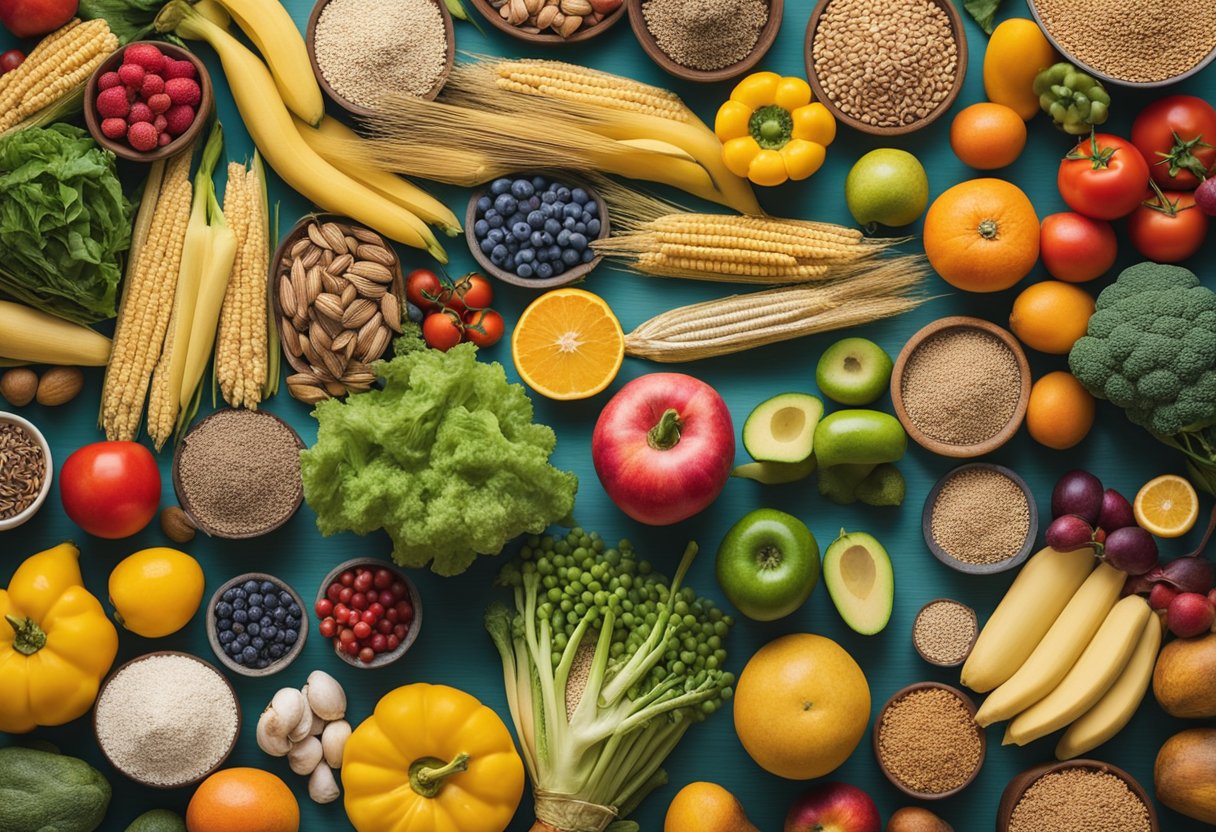
Embracing a whole-food diet also goes beyond just eating healthily; it’s a testament to our commitment to a vigorous lifestyle.
It’s about making conscious choices that enhance our quality of life.
Rather than reaching for processed items that may be convenient, we opt for foods in their most natural state.
This decision not only benefits us physiologically but also instills a mental resilience to continue making choices that benefit our health and longevity as cancer survivors.
Key Takeaways
- Whole foods offer crucial nutrients that aid recovery and enhance well-being for cancer survivors.
- A commitment to a whole-food diet supports physical and mental resilience post-treatment.
- Dietary choices aimed at wellness can tremendously improve the quality of life for men overcoming cancer.
Understanding Whole Foods
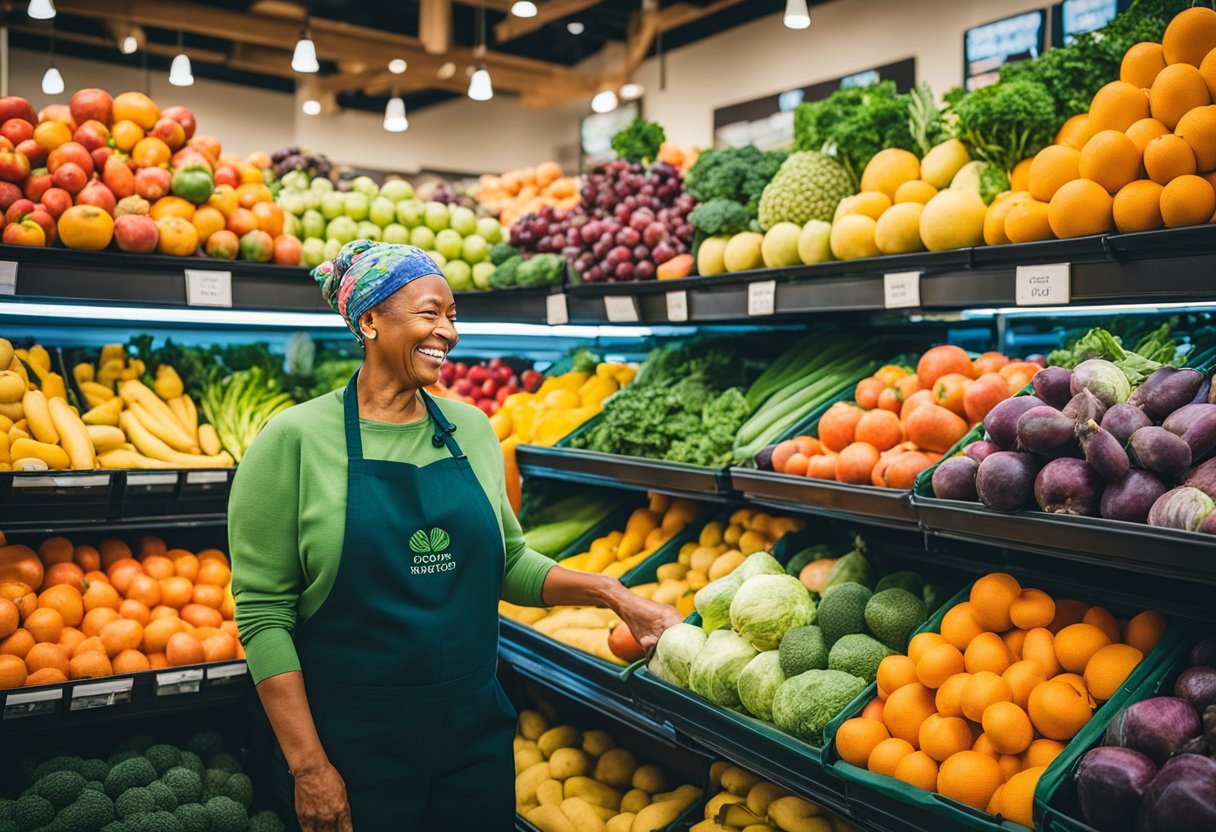
We often hear about whole foods, but grasping what they encompass and their nutritional significance is crucial for our well-being, especially after facing health challenges like cancer.
Defining Whole Foods
Whole foods remain close to their natural state; they haven’t been significantly altered from how we find them in nature. They include various vegetables, fruits, whole grains, and nuts. These foods are devoid of additives and haven’t been stripped of nutrients through processing.
Benefits of Whole Foods
Embracing a diet centered on whole foods can lead to multiple health advantages.
Nutrient-dense and packed with vitamins, minerals, and fiber, whole foods help us maintain a healthy weight and can even support our recovery after illnesses.
For instance, vegetables and fruits contain antioxidants that aid cellular repair and strengthen our immune systems.
Whole Foods vs Processed Foods
Processed foods often come with excess sugar, sodium, and unhealthy fats.
On the contrary, whole foods, like nuts and whole grains, provide sustained energy and essential nutrients without unnecessary additives.
As survivors, we owe it to ourselves to fuel our bodies with wholesome choices to support our long-term health and vigor.
Diet and Cancer Prevention

Our diet plays a pivotal role in cancer prevention. Specific nutrients aid in reducing the risk, and adopting certain dietary patterns can further protect our health.
Critical Nutrients for Cancer Prevention
Fiber: A cornerstone of cancer defense, fiber found in whole grains, vegetables, and fruits helps safeguard us against colorectal cancer. Our digestive system benefits greatly from regular intake of high-fiber foods, facilitating the removal of potentially harmful substances.
Phytochemicals: These potent compounds in plant-based foods tirelessly shield our cells from damage. Foods like berries, leafy greens, and nuts are dense with these protective agents.
Antioxidants: They’re the body’s protectors, battling against cellular damage that can occur daily. By favoring foods loaded with antioxidants, such as brightly colored fruits and vegetables, we fortify ourselves against various cancers.
Proteins: Lean meats and plant-based proteins are essential for muscle repair and maintaining a robust immune system. Choosing lean cuts and integrating sources like beans and lentils can form a protective dietary component.
Dietary Patterns and Risk Reduction
Plant-based Diet: Centering our meals around plants is not merely a trend but a lifestyle shift with a strong preventive aspect. Embracing a diet rich in whole, unprocessed plants provides a spectrum of nutrients that work harmoniously to reduce cancer risks.
Whole Foods vs Processed: We thrive on foods in their natural state. Entire foods retain their nutrient profile, offering full benefits without the added sugars, fats, and preservatives in processed options.
A balanced approach, incorporating lean proteins and acknowledging the power of antioxidants and phytochemicals, paves the way for a protective diet.
Diet During Cancer Treatment

As cancer survivors, we know firsthand that a well-crafted diet during treatment can make a significant difference in coping with the challenges ahead.
Managing Side Effects with Nutrition
Nutrition is crucial during cancer treatment, helping us address many side effects.
For instance, whole foods rich in fiber aid in alleviating digestive issues like constipation or diarrhea often caused by chemotherapy.
To offset nausea, we rely on small, frequent meals comprised chiefly of plain, unprocessed foods.
Hydration, too, cannot be overstated—drinking ample fluids keeps us strong and eases the load on our kidneys as they flush out treatment residues.
Special Nutritional Considerations During Treatment
We consult regularly with a dietitian to personalize our diet, ensuring it’s tailored to our unique needs during treatment.
Foods dense in nutrients support our immune system, and our healthcare providers emphasize these as part of our nutritional strategy.
We choose proteins that build and repair tissue, like beans and legumes, and embrace a rainbow of fruits and vegetables for their phytonutrients, which are crucial in battling cancer.
Maintaining weight is vital, so we’re attentive to consuming enough calories and proteins, which is often challenging when appetite wanes.
Post-Treatment Nutrition
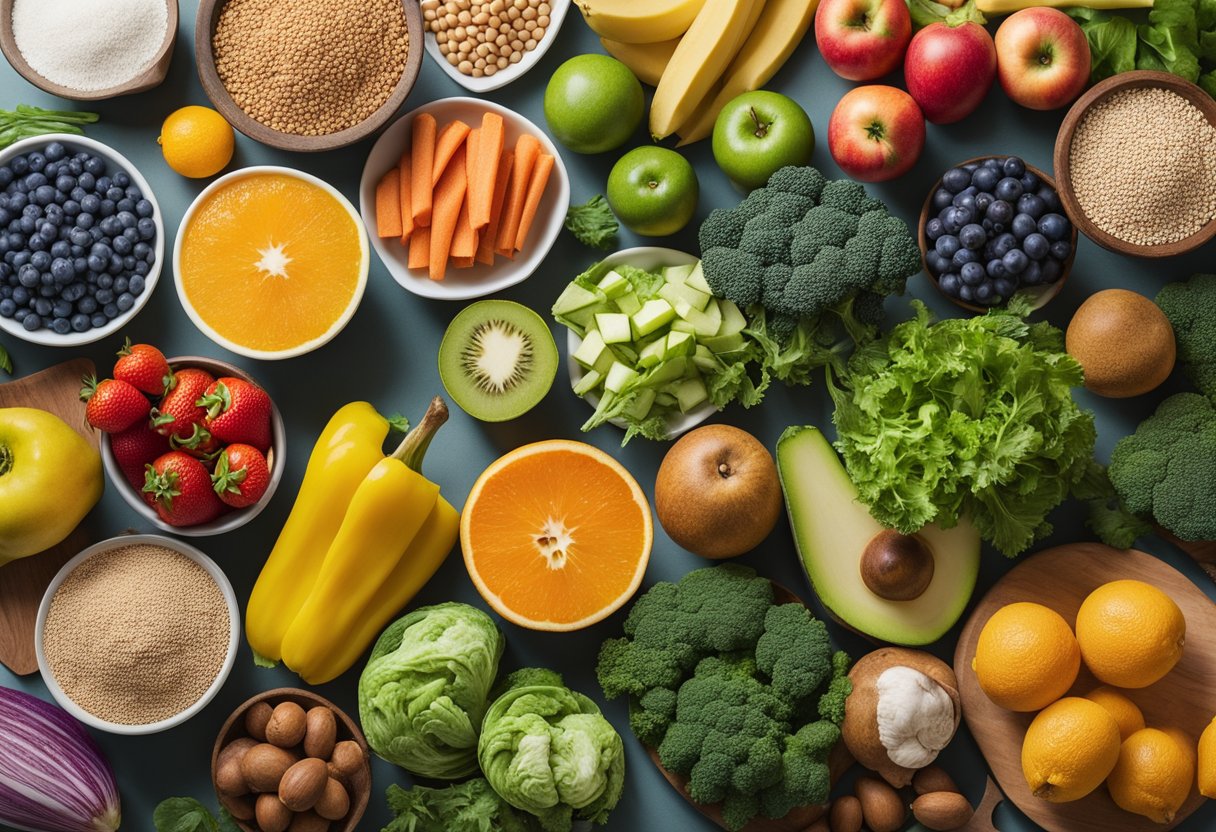
After successful treatment, we focus on maintaining a nourished body to sustain recovery and guard against recurrence. A whole-food diet plays a crucial role in this new phase.
Optimizing Diet for Survivorship
Our journey continues beyond treatment, and what we put on our plate significantly affects our survival and well-being.
Embracing a diet centered around unrefined and minimally processed whole foods is a cornerstone of our post-treatment life.
Whole foods retain their fiber, essential nutrients, and natural compounds, serving as our allies in recovery. These foods are the foundation of a diet that supports our body’s healing process.
To differentiate, processed foods are often stripped of nutrients and can contain added sugars, salts, and fats. We steer clear of these, knowing they offer little in our pursuit of health.
Suggested Dietary Patterns:
- Vegetables: A rainbow on our plate, emphasizing dark green, red, and orange varieties.
- Fruits: We opt for whole fruits, which provide fiber and a spectrum of vitamins.
- Whole Grains: Staple foods like brown rice and whole-wheat bread offer us sustained energy.
- Legumes: Beans and peas, rich in protein and fiber, are staples in our meals.
We use the knowledge gained from Nutrition and Physical Activity Guidelines for Cancer Survivors to guide our food choices, combining them with regular physical activity to maximize our recovery and bolster our defenses.
Long-Term Dietary Strategies
We don’t just eat to survive; we eat to thrive long-term. Implementing lasting dietary strategies ensures that we support our bodies for years.
Maintaining a balanced diet, high in nutrients and low in processed components, aligns with our goal of promoting longevity and vitality.
Key Components of Our Long-Term Diet:
- Plant Predominance: Based on advice from experts, a plant-predominant diet is essential for optimal health.
- Healthy Fats: We include sources like omega-3 fatty acids found in fish and walnuts.
- Moderation: We limit the intake of processed meats, sugar-sweetened beverages, and highly processed foods, as The American Cancer Society recommends.
Role of Physical Activity
Physical activity stands as a pillar in the journey of cancer survivorship, offering a beacon of hope for bolstering recovery and maintaining a healthy weight.
Exercise and Cancer Recovery
We know that after a cancer diagnosis, staying active can significantly improve our chances of survival.
Exercise helps us rebuild the strength and endurance we might have lost during treatment.
For fellow lymphoma survivors like us, maintaining an active lifestyle can be a gateway to not only physical fortitude but also mental resilience.
Studies have shown that for survivors of prostate and other cancers, regular physical activity reduces fatigue and diminishes the distress of anxiety and depression. Here’s the simple equation: more activeness, better recovery outcomes.
- Activeness boosts recovery: Paving the way for increased stamina and better overall health.
- Reduced side-effects: Mitigates common post-treatment issues like fatigue, anxiety, and depression.
Physical activity can also aid in lymphedema management, which is a concern we survivors know all too well.
By incorporating structured exercise routines, we actively participate in our recovery process.
Integrating Physical Activity into Daily Life
Inculcating physical activity into our daily routine might sound daunting initially, but starting small and staying consistent is a matter of starting small.
We should aim to weave activity into the fabric of our daily lives through simple alterations, like opting for stairs over elevators or engaging in active hobbies such as hiking or cycling.
- Build a routine: Start with light activities and gradually increase intensity.
- Incorporate enjoyable activities: Choose sports or exercises that bring joy and motivation.
For us, charting a path back to normalcy includes finding an equilibrium between rest and movement.
Balancing sedentary moments with proactive fitness pursuits can keep our bodies at a healthy weight and our spirits high.
Our collective experience teaches us that the road to recovery is paved with the steps we take each day towards incorporating fitness into our lives, reaffirming the link between physical activity and improved survival.
Maintaining a consistent level of physical activity ensures we don’t just survive but thrive, setting a robust example for fellow survivors.
Nutritional Support and Guidance
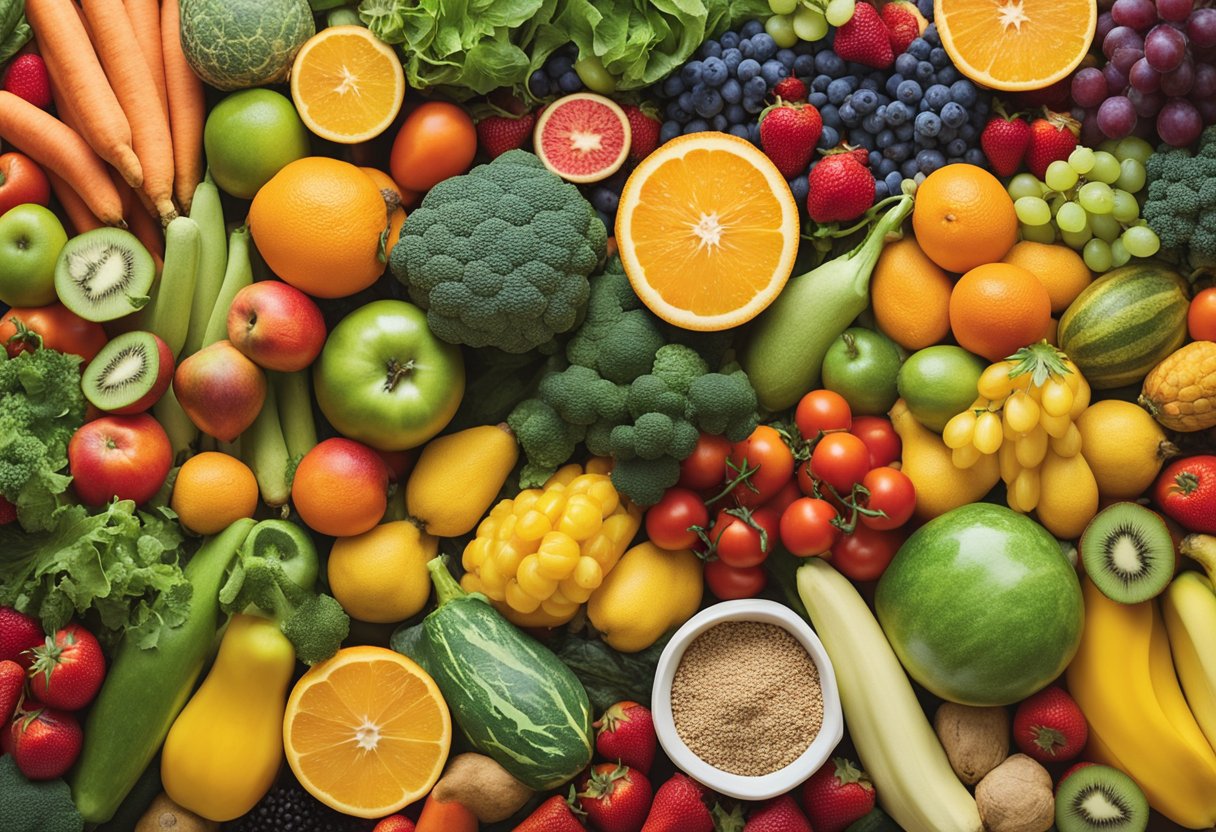
Ensuring proper nutrition is a cornerstone of thriving after a cancer diagnosis, and we must navigate these choices wisely.
When to Consult a Professional
During our journey, there are specific moments when we need to seek advice from experts.
If we’re feeling overwhelmed by the wealth of dietary information available or are experiencing nutritional challenges due to our treatment, that’s our cue to reach out.
Contacting health care professionals like a doctor, nurse, or registered dietitian can provide tailored guidance.
The Academy of Nutrition and Dietetics is a reliable source for finding qualified experts to address our concerns and offer evidence-based recommendations.
Developing a Personalized Nutrition Plan
We need a game plan that considers our unique circumstances.
Our bodies have fought valiantly against lymphoma, and crafting a personalized nutrition plan is our next step to optimal health.
Working with a dietitian can help us identify which whole foods — those free from additional sugars, fats, and preservatives — will most effectively support our recovery and ongoing health.
Taking stock of what we eat:
- Fruits and Vegetables: Hearty greens, berries, and other antioxidant-rich options.
- Whole Grains: Quinoa, brown rice, and oats to fuel our recovery.
- Proteins: Lean meats, beans, and nuts to rebuild strength.
Together, we can formulate questions to ask our dietitian, ensuring we cover our nutritional bases and set ourselves up for a successful post-recovery life.
It’s not just about the food on our plate; it’s equally about feeling empowered and informed in our decisions.
Remember, we’re not alone on this path — our healthcare team is here to support us every step of the way.
Sustaining a Healthy Lifestyle
Adopting a sustainable approach to living well after cancer involves firm habits and a willingness to stay informed and adapt. As twice survivors of lymphoma, we know the journey firsthand.
Maintaining Healthy Habits
We’ve learned that constructing a life after cancer means embedding routines that form the scaffold of our days.
Embracing a balanced diet is our foundation; this includes whole foods like vegetables, fruits, and whole grains—foods that come from the earth and remain untainted by heavy processing.
For us men in survivorship, a focus on nutrition fuels our recovery and fortifies our future health.
In addition to what we eat, regular physical activity is crucial.
Think about sports or activities we love—swimming, cycling, or team sports. These activities help us rebuild our strength and improve our emotional well-being.
Continuous Learning and Adaptation
Staying abreast of the latest nutrition and cancer survivorship research is a responsibility we take seriously.
We use credible sources like the Mayo Clinic and the American Cancer Society to inform our choices and adapt our habits.
As new evidence emerges, we welcome change—tweaking our diet or modifying our exercise regime—to keep pace with the knowledge that can bolster our health.
Final Thoughts
As we reflect on our journey toward better health, we embrace whole foods as the cornerstone of our diet.
Those unrefined and unprocessed whole foods are the gems in our nutritional crown. In our battle against lymphoma, these foods became our allies, delivering the nutrients our bodies craved to rebuild and strengthen.
Whole Foods vs. Processed Foods
Whole foods come as nature intended, brimming with vitamins, minerals, and fiber. They starkly contrast to processed foods, which often lose nutritional value and gain additives during manufacturing.
For us men who have faced cancer, each meal is an opportunity to nourish our bodies with foods as close to their original form as possible.
- Key Components of Whole Foods:
- Fruits and vegetables
- Whole grains
- Beans and legumes
- Nuts and seeds
Our Experience
This path hasn’t just been about survival; it’s been about thriving.
Having weathered lymphoma, we understand the body’s need for natural, robust sustenance. Our advice comes not just from a place of care but also from lived experience.
We know that embracing whole foods can feel like a daunting game at times, but the rewards for our health are well worth the effort.
For fellow survivors, we suggest introducing more colorful vegetables, whole grains, and lean proteins into your daily meals.
With each choice, we turn the tide in our favor, boosting our resilience and vitality.
Let’s continue to support each other on and off the field, sharing recipes and successes as we champion our health with every wholesome bite.
Frequently Asked Questions
In navigating cancer survivorship, we often turn to a whole food diet for its nourishing qualities and role in bolstering our health post-treatment. Unlike their processed counterparts, whole foods retain natural nutrients and can offer us a more beneficial approach to eating.
How does adhering to a whole-food diet benefit cancer survivors?
Choosing unprocessed foods gives our bodies the dietary foundation they need to recuperate and strengthen.
Research indicates that a diet rich in fruits, vegetables, grains, and lean proteins can enhance our physical well-being and support recovery following the rigors of cancer treatment.
What are the essential components of a nutrition plan for those in cancer survivorship?
A well-rounded nutrition plan typically includes a variety of fruits, vegetables, whole grains, lean proteins, and healthy fats.
These elements work together to replenish nutrients and maintain energy levels as we move forward.
Can certain whole foods improve the long-term health outcomes of cancer survivors?
Absolutely. For example, leafy greens and berries are packed with antioxidants that aid cellular repair, while beans and legumes provide fiber that supports digestive health. Embracing such foods can improve health outcomes for us in the long run.
What dietary recommendations do experts give to support cancer survivors’ well-being?
Experts advise cancer survivors to incorporate a balanced diet emphasizing plant-based foods, which can reduce inflammation and boost immunity.
Guidelines from reputable sources like the American Cancer Society echo this sentiment, underscoring the vitality of nutrition in survivorship.
How might a whole-food diet influence recurrence rates in cancer survivors?
Studies suggest that a diet emphasizing whole foods may help lower the risk of cancer recurrence.
Our dietary choices influence overall health, and by focusing on wholesome, unprocessed foods, we can actively contribute to a protective environment within our bodies.
What strategies can cancer survivors adopt to transition to a whole food-based dietary regimen?
Gradual changes can ease the switch to a whole-food diet. This could mean integrating more vegetables into meals and reducing convenience foods.
Seeking guidance from nutrition-focused resources tailored for survivors can also help them make informed dietary decisions. You can find these resources at the American Cancer Society.
