

Strategies and Insights
Maintaining autonomy during cancer recovery can be challenging, but it’s crucial for anyone going through this journey, especially men who often face unique societal expectations.
From my experience as a two-time lymphoma cancer survivor, I have learned that maintaining control over our treatment choices dramatically improves our overall well-being.
This sense of empowerment can help us navigate the physical and emotional toll that cancer takes on our lives.

Open communication with healthcare professionals is key to preserving our autonomy.
By actively participating in decision-making, asking questions, and understanding our treatment options, we can make informed choices that align with our values and goals.
Creating a support system with family and caregivers provides emotional strength and ensures that our wishes are respected throughout our recovery process.
Maintaining control through our treatment journey involves embracing palliative care when necessary and adapting our lifestyles to sustain independence.
Addressing the psychosocial aspects of cancer recovery is equally vital—we must focus on strategies that keep us physically active, mentally engaged, and emotionally resilient.
Living through cancer doesn’t mean losing our sense of self or autonomy; it means finding new ways to stay strong and determined.
Key Takeaways
- Autonomy improves well-being during cancer recovery.
- Effective communication with healthcare professionals is crucial.
- Building a strong support system helps maintain control.
Understanding Autonomy in Cancer Recovery

In recovering from cancer, maintaining autonomy is a crucial aspect for male patients. We delve into defining “relational autonomy” and its importance for male cancer patients.
Defining Relational Autonomy
Relational autonomy emphasizes the significance of relationships in shaping our identity and decisions. Unlike traditional views of independence, this approach recognizes how our connections with others influence our choices.
When I faced lymphoma, my care relied not just on my willpower but also on the support from family and friends.
This concept is vital because it incorporates the social aspects that many men might overlook.
In cancer recovery, having relational autonomy means we are not alone in our journey.
The presence of a support system allows us to make informed decisions that reflect our values and needs.
This shared decision-making process respects our identity as individuals within a community, fostering a sense of empowerment during treatment and rehabilitation.
Importance of Autonomy for Male Cancer Patients
Autonomy in cancer recovery allows us to maintain control over our lives. For male cancer patients, preserving autonomy can significantly affect their mental and emotional well-being.
During my treatment, having the ability to make choices about my care, even simple ones, reinforced my sense of self.
It helped me assert my identity when it’s easy to feel powerless.
Decision-making power in recovery processes isn’t just about medical choices.
It extends to daily activities, setting personal goals, and engaging in interests that define us.
For many men, this sense of control plays a key role in coping with the challenges of cancer and its treatments. It encourages us to stay active, look forward to the future, and maintain our identity throughout recovery.
Communicating With Healthcare Professionals
Effective communication with healthcare professionals helps us make better decisions and maintain mental well-being during recovery.
The Role of Clear Communication
We need to express our concerns and questions clearly to our healthcare providers. This ensures we fully understand our treatment options and what each entails.
Open communication with doctors makes navigating the recovery process more manageable.
Clear communication also helps us obtain accurate information.
This information is essential for making informed decisions about our treatment and care.
Asking questions and expressing our feelings helps our healthcare team provide better support.
This support ranges from understanding side effects to managing mental health concerns with psychologists.
Clear communication fosters a sense of partnership between us and our medical team. This partnership helps ensure that our treatment aligns with our goals and values.
Navigating Doctor-Patient Relationships
Building a solid relationship with our doctors is vital. This relationship is built on trust and mutual respect.
Trust in our physicians allows us to feel more confident in the treatment decisions they recommend.
Being honest with our doctors about our symptoms and concerns is vital.
It helps them tailor our treatment plans to suit our needs better.
This honest dialogue should include discussions about our mental health concerns as well.
Caring for our mental health is as crucial as treating cancer itself.
Navigating these relationships also involves understanding the concept of informed consent.
We must ensure that we understand every aspect of the treatments proposed.
This understanding helps us feel empowered in our decision-making process.
These honest and open conversations foster better outcomes and a more favorable recovery experience.
Family and Caregiver Support Systems

Navigating cancer recovery can be challenging, and having a robust network of family and caregivers can play a tremendous role in enhancing self-efficacy and quality of life. These support systems foster an environment where independence and patient wishes are respected.
Involving Family in Care Decisions
Family members often become essential partners in care during recovery.
We should engage them in care decisions, ensuring they understand the treatment plan and its potential effects. This shared knowledge empowers everyone involved.
When I was in recovery, involving family in discussions with healthcare providers made a significant difference.
It offered clarity and brought unity in decision-making.
Simple actions, such as attending doctor’s appointments together or discussing treatment options at home, can build a solid support foundation.
Caregiver roles vary but often include managing medications, coordinating appointments, and offering emotional encouragement.
Their involvement helps alleviate the stress of navigating the healthcare system alone. This collaboration enhances both the patient’s and the caregiver’s well-being.
Respecting Patient Wishes and Independence
Maintaining autonomy during cancer recovery is crucial for us as patients.
Our family and caregivers must respect our wishes and independence.
This respect fosters a sense of control and dignity, which is paramount during such a vulnerable time.
Encouraging open communication about preferences and boundaries ensures our voices are heard.
For instance, if we prefer to manage specific aspects of our care, such as dietary choices or exercise regimens, family members should support these decisions.
Self-efficacy can significantly impact recovery outcomes.
When our autonomy is respected, we feel more capable of handling recovery challenges.
This respect for independence strengthens our overall quality of life and promotes a positive outlook on the recovery journey.
Maintaining Control Through the Treatment Journey

Navigating the treatment journey involves actively engaging in our care and making informed decisions. Our ability to exercise self-determination and understand cancer treatment options ensures we retain control and autonomy.
Exercising Self-Determination
Taking charge of our treatment allows us to feel more empowered.
Setting personal goals and preferences helps shape our treatment plan.
For example, communicating openly with our healthcare team about preferences for chemotherapy, radiation, or other alternatives can define our path forward.
We must ask questions and seek clarity on each step, ensuring we understand its impact.
Participating in discussions about side effects and management strategies supports our well-being.
Additionally, staying active and maintaining regular exercise can foster a sense of normalcy and control over our bodies.
Understanding Cancer Treatment Options
Knowledge of our treatment options plays a key role in decision-making.
We work closely with our oncologists to understand the benefits and risks of each treatment modality.
Treatment options include:
- Chemotherapy: Uses drugs to kill cancer cells.
- Radiation Therapy: Targets cancer cells with high-energy rays.
- Surgical Procedures: Removes tumors physically.
- Alternative Therapies: Complements traditional treatments, like nutrition and acupuncture.
Each option has different implications.
For instance, we need to know how chemotherapy might affect daily activities compared to radiation therapy.
Exploring these aspects with our medical team helps us choose the most suitable treatment, aligning with our life goals and values.
Palliative Care and End-of-Life Considerations
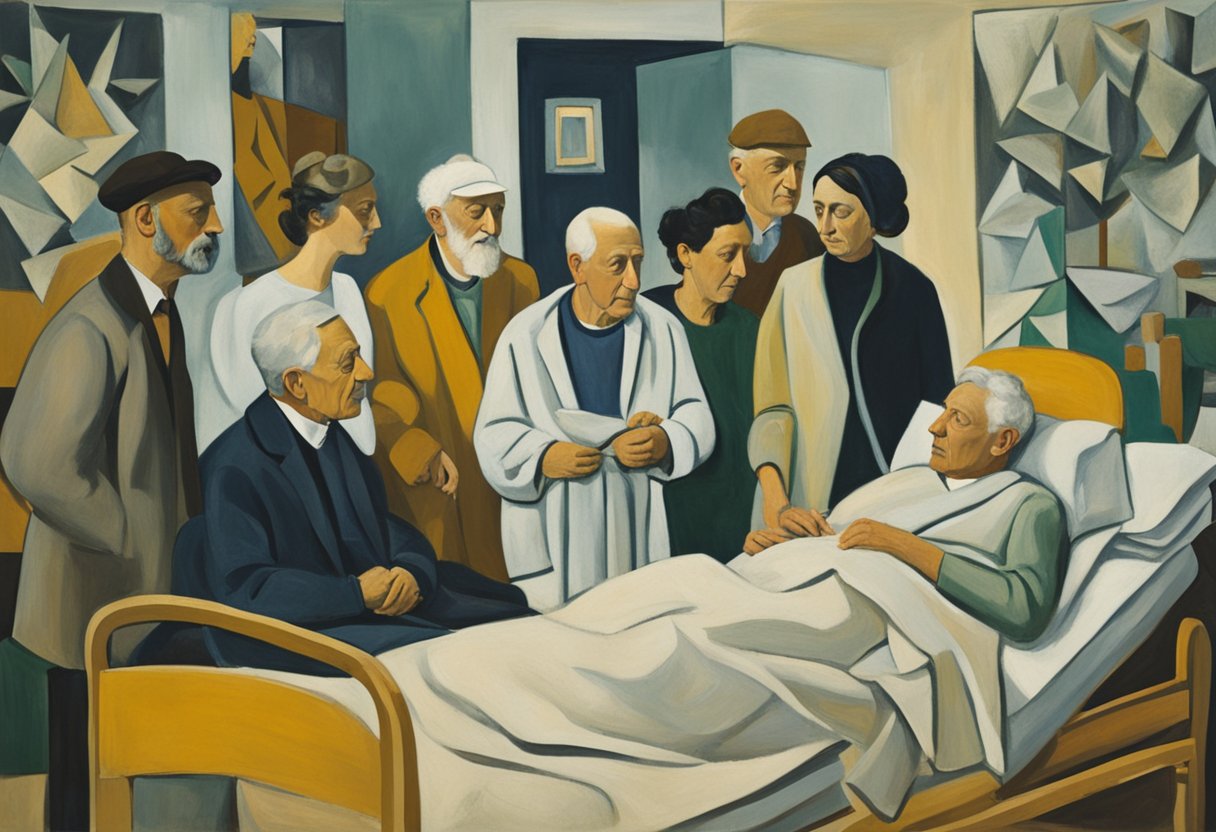
Palliative care is an essential aspect for many men battling terminal illnesses. It focuses on enhancing the quality of life while respecting patients’ dignity and autonomy as they face end-of-life challenges.
Quality of Life and Palliative Care
Palliative care prioritizes pain management and symptom relief for those who are terminally ill.
Effective palliative care can significantly improve a patient’s day-to-day existence, providing comfort and reducing suffering.
Beyond physical symptoms, it also addresses emotional, social, and spiritual concerns.
Professionals work to ensure our autonomy remains respected, creating a care plan that aligns with our values and preferences.
Hospice care is a crucial component of palliative care, offering comprehensive support when curative treatments are no longer available.
Addressing End-of-Life Issues with Dignity
Addressing end-of-life issues with dignity involves respecting the individual’s desire for autonomy and control over their final days. This means involving us in decision-making processes and ensuring we understand our options.
Advance directives and living will’s become tools that ensure our wishes are known and honored. Clear communication with healthcare providers and family about our preferences helps maintain perceived dignity.
When faced with terminal illnesses, some may also consider options to hasten death. Palliative care teams can provide guidance and support through such challenging decisions.
Palliative care and hospice services aim to create a peaceful end-of-life experience. They focus on what makes life meaningful to each individual. This approach allows us to face the end of life with respect and compassion.
Psychosocial Aspects of Cancer Recovery

As we recover from cancer, navigating the psychological and emotional hurdles can be as significant as the physical healing. Addressing emotional distress, rebuilding identity, and enhancing cognitive functions are integral parts of this journey.
Coping with Emotional and Mental Health Challenges
Recovery from cancer profoundly impacts our emotional and mental health. We experience a range of emotions like anxiety, depression, and distress. During my recovery, these feelings were overwhelming at times.
Strategies like seeking therapy, engaging in support groups, and maintaining a routine helped manage these emotions.
Therapists and counselors offer tools to cope with emotional distress and address anxiety and depression. Joining a support group, either in-person or online, connects us with others who share similar experiences. Engaging in physical activities alleviates stress and improves cognitive function.
Rebuilding Identity and Self-Image
Cancer can alter our body image and self-perception. As male cancer warriors, our physical appearance and cognitive functions might change, affecting our confidence and identity. Embracing these changes and finding ways to strengthen our self-image is crucial.
Participating in activities that reinforce our interests and skills helps rebuild our identity. Volunteering, pursuing hobbies, or engaging in sports can offer a sense of purpose. Focusing on small and large achievements can positively shift our self-view.
Accepting support from loved ones facilitates psychological adjustment and reinforces that we are not alone.
Lifestyle Adaptation and Independence
Adapting to new ways of living while maintaining independence can be challenging and empowering. By addressing changes in physical ability and leveraging financial and social resources, we strive to live with dignity and self-sufficiency.
Adapting to Changes in Physical Ability
When we face changes in physical abilities, finding adaptive methods is crucial. Some find that using a wheelchair or other assistive devices becomes a new normal. Meanwhile, men with prostate cancer may need to make lifestyle adjustments due to issues such as incontinence.
We can explore various exercises to enhance our mobility and strength. Simple activities like walking, swimming, or light weightlifting can help. Physical therapy plays a significant role in regaining strength. Working with a physical therapist tailors exercises to our specific needs.
Moreover, modifying our living spaces can make a significant difference. Ramp installations, grab bars, and wider doorways on our homes maintain an accessible and safe environment. These changes, whether big or small, empower us to live independently.
Financial and Social Resources for Autonomy
Financial stability is vital for maintaining autonomy. Cancer treatment can drain our resources, so it’s crucial to identify financial aid options.
Many organizations offer grants and other forms of support specifically for male cancer survivors. These funds help cover medical bills, daily living expenses, and adaptive equipment.
We must also consider social resources. Community support is often invaluable. Family, friends, and local support groups can provide emotional and practical assistance. Online communities offer guidance and a sense of fellowship with others facing similar challenges.
Healthcare providers and social workers can direct us to resources tailored to cancer survivors. These support systems, from counseling services to educational workshops, fortify our independence and well-being. By leveraging these resources, we maintain control over our lives and thrive.
The Debate
The debate about maintaining autonomy during recovery is complex and often charged with emotion.
On one side, some argue that strict medical protocols make it hard for men to feel in control. They believe these rules might hinder our ability to make personal choices about treatment and daily life.
Others support the necessity of medical guidelines. They argue that these protocols ensure safety and improve recovery outcomes. For them, following doctors’ advice rigorously is the best way to heal effectively.
Points of Contention:
Medical Protocols:
- Restrictive vs. Necessary
- Limits choices vs. Ensures safety
Personal Choice:
- Individual needs vs. General guidelines
- Freedom vs. Structure
Support Systems:
- Family roles in decision-making
- Balancing professional advice with personal preferences
Our unique experiences shape our views on autonomy. When I overcame lymphoma, I valued input from my care team but also needed space to make my own choices. We all find different ways to balance advice and independence.
We should strive to find a balance between medical expertise and personal autonomy. This balance may help us feel more empowered and supported during the recovery journey.
Key Considerations:
- Communication: Open discussions with healthcare teams
- Flexibility: Adapting medical advice to personal circumstances
- Support: Engaging family and friends to navigate the journey
Final Thoughts
As cancer thrivers, maintaining autonomy during recovery is essential. It’s not just about our physical health but also our mental strength. We need to feel in control of our lives and our choices.
Create a Routine: Developing a daily schedule helps us regain normalcy. Exercise, even light activities like walking, can boost our mood and energy levels.
Communicate: Openly discussing our struggles and triumphs with family, friends, and healthcare providers ensures we remain in the driver’s seat of our recovery.
Educate Ourselves: Understanding our condition and treatment options empowers us to make informed decisions. Being knowledgeable about potential side effects and management strategies alleviates fear and uncertainty.
Set Personal Goals: Setting achievable goals, whether small or significant, keeps us focused and motivated. It can be as simple as aiming to read a new book or as challenging as planning a future adventure.
Self-Care: Prioritizing self-care activities like meditation, hobbies, or sports can improve overall well-being. Engaging in activities we love helps maintain our identity beyond the illness.
Seek Support: Joining support groups where we can share our experiences with others who understand our journey can be incredibly comforting and empowering.
Stay Positive: Fostering a positive mindset is crucial in our recovery. Celebrating small victories keeps our spirits high and motivates us to continue pushing forward. -T
Frequently Asked Questions
Cancer recovery can be a challenging journey, especially for men trying to maintain autonomy and face emotional and physical difficulties. Here are some frequently asked questions and answers to help navigate these challenges.
How can male cancer patients maintain independence during treatment?
Maintaining independence often includes staying active and involved in daily routines as much as possible. Communicating with caregivers about what tasks they can comfortably handle alone is essential. Utilizing medical equipment like mobility aids can also help maintain independence.
What strategies can help manage emotional changes such as ‘chemo rage’ in cancer warriors?
Understanding that emotional changes are shared can be reassuring. Techniques like deep breathing exercises, mindfulness, and therapy can help manage these episodes. Keeping an open dialogue with healthcare providers about emotional changes ensures they can offer appropriate support.
What kind of support do male cancer fighters appreciate most from loved ones?
Men often appreciate practical support, such as help with daily tasks or attending appointments together. Emotional support is also vital, including listening without judgment and offering encouragement. It is crucial to respect their need for space or independence when they ask for it.
How can men cope with the fear of mortality following a cancer diagnosis?
Coping with the fear of mortality involves focusing on the present and celebrating small victories. Engaging in supportive communities, whether in-person or online, helps share experiences and gain new perspectives. Professional mental health support can also be beneficial.
What are the ways to preserve a sense of control during the cancer recovery process?
Setting achievable goals and making small decisions about daily routines can foster a sense of control. Staying informed about treatment options and actively participating in medical decisions empower individuals. Practicing hobbies or activities they enjoy also helps maintain normalcy.
How can you offer meaningful encouragement to a male friend battling cancer?
Offering meaningful encouragement includes being present and expressing support. Sharing optimistic stories and positive messages without dismissing their feelings is helpful.
Respecting their boundaries while showing genuine concern and care conveys understanding and support on their terms.
