

Journey of Resilience
Embracing travel after a cancer diagnosis can be a powerful way to reclaim our spirits and sense of adventure. As male cancer thrivers, we’ve faced unique challenges and learned to adapt. But the joy of exploring new places and cultures remains a universal pleasure.
We find strength in planning trips that cater to our needs while discovering the transformative power of new environments and experiences.
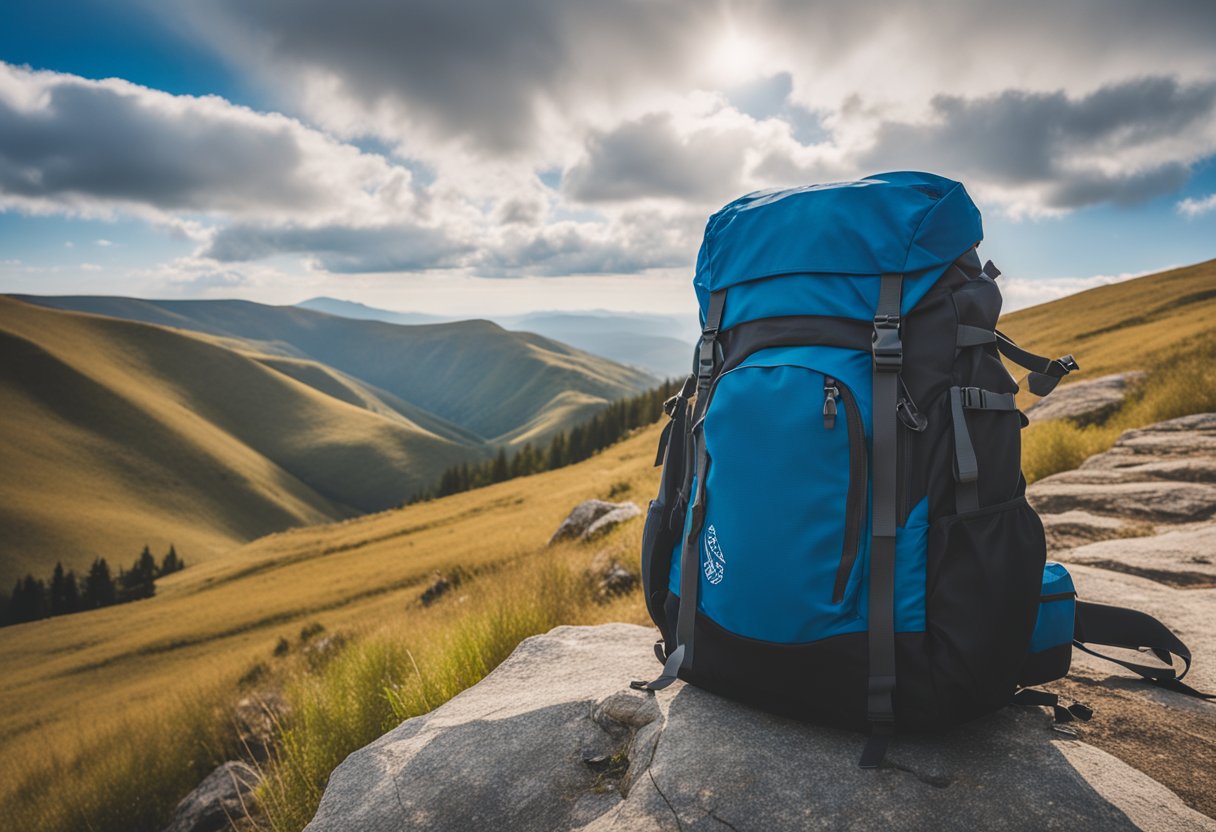
From my journey of surviving lymphoma twice, I’ve found that traveling allows us to break free from the confines of treatment and embrace life’s wonders. The shared experiences with fellow thrivers create a supportive community, reminding us that we are not alone in our quest to live fully.
Whether hiking through lush forests or exploring bustling city streets, each adventure brings a renewed sense of purpose.
Men facing cancer encounter specific hurdles that can make travel seem daunting. By sharing stories and tips on navigating these obstacles, we encourage others to take that first step.
Our empowerment comes through education and awareness, enabling us to enjoy life beyond cancer.
Key Takeaways
- Travel helps cancer thrivers reclaim joy and adventure.
- Planning trips that meet post-treatment needs is essential.
- Shared experiences create a supportive community.
Understanding the Journey

Facing cancer and its treatment is daunting. It requires resilience, patience, and support.
Confronting the Diagnosis
When diagnosed with cancer, we felt a wave of emotions. Anxiety, fear, and disbelief are common.
Knowing the type and stage of cancer helps determine the best treatment plan. For us, it was lymphoma.
Understanding the diagnosis means getting familiar with terms like “stage 3” or “metastatic.” Clear communication with our doctor is essential. We need to understand the implications of early or advanced stages.
For many men, there’s a sense of loss. We must find reliable support systems—family, friends, or support groups. A comforting environment is vital for emotional stability.
Navigating Treatment Options
Once diagnosed, deciding on treatment becomes the next challenge. Different options exist: surgeries, chemotherapy, radiation, or a combination.
Our choice depends on factors like stage, type, and overall health.
Surgery might be necessary to remove tumors. Some of us might require chemo to target cancer cells, impacting our daily activities.
Understanding side effects and recovery times helps us plan our lives around treatments.
Communicating with healthcare providers ensures we have all the information.
Adopting new habits like a balanced diet and moderate exercise can improve our well-being during treatment.
Planning for post-treatment travel can provide a break and a motivational goal.
We can turn to the healing power of adventure travel for mental and physical rejuvenation.
Supporting the Thriver

For men who have thrived after cancer, having a solid support network is crucial. Travel can offer a unique way to strengthen these bonds while providing emotional and physical benefits.
The Role of Family and Friends
Our family and friends play a pivotal role in our journey as thrivers. Their emotional support can uplift us when we’re feeling down.
Traveling with loved ones can help us create new memories, which can be deeply healing.
Planning a trip that considers our post-treatment needs shows that they care.
Simple things like having easy access to rest areas or medical facilities can make a huge difference.
Family and friends also help us feel safe and cherished. They remind us that we’re not alone in our journey.
This camaraderie can enhance our experiences and make travel more enjoyable. Connecting over shared experiences strengthens these bonds, giving us much-needed emotional support.
Caregivers and Their Impact
Caregivers, whether professional or family members, bring specialized knowledge and care that can be vital for our well-being.
When we travel, their role becomes even more significant. They help us manage medications, keep track of appointments, and ensure our comfort.
A dedicated caregiver can handle the logistical details that might otherwise become overwhelming. This includes ensuring we have the proper medical supplies and know the nearest clinic or hospital.
Caregivers also offer emotional support.
Their training enables them to recognize when we might need extra help. Being proactive and compassionate contributes to our overall sense of security, allowing us to fully embrace our travel adventures.
Challenges Faced by Male Thrivers

Embracing travel as male cancer thrivers comes with unique challenges. Our experiences require us to navigate cultural perceptions and seek gender-specific support.
Cultural and Social Perceptions
Cultural views on masculinity can impact how we are perceived. In some cultures, men facing health challenges may be seen as vulnerable, affecting how we engage with locals during our travels.
Engaging with different cultures requires awareness. We should be mindful of societal norms about health and well-being.
For instance, discussing our condition might be met with sympathy in some regions, while it might bring unwelcome pity in others.
Our focus must remain on strength and resilience.
Understanding these perceptions, we can better prepare for our journeys without hiding our experiences. This helps build confidence as we interact with new environments and people.
Gender-Specific Support Needs
Finding support specific to men is crucial. We often face different challenges compared to women, particularly in coping strategies and emotional needs.
Support groups tailored for men, such as online communities or local meetups, can provide reassurance. These groups offer shared experiences and practical travel tips that cater to our unique needs as male thrivers.
Additionally, we need to ensure our medical needs are addressed while traveling.
Knowing where to find male-friendly healthcare services can make a significant difference. This preparation helps us focus on enjoying our adventures without worrying about unforeseen issues.
By planning thoughtfully and seeking out gender-specific resources, we can maximize our travels while effectively managing our health.
Empowerment Through Education

Empowerment through education enables us to make informed decisions about our health and well-being. By arming ourselves with knowledge and resources, we can navigate our journeys with greater confidence and clarity.
Knowledge as Power
Gaining knowledge about our health status and treatment options is fundamental.
Understanding medical information is crucial since many people face complex choices after treatment. It allows us to communicate effectively with healthcare providers and advocate for ourselves.
For instance, peer-reviewed studies and expert advice can clarify misconceptions.
Knowing therapies’ benefits and side effects helps decide the best path forward.
The CDC discusses how empowerment leads to better screening and treatment outcomes.
Resources for Continuous Learning
Staying updated with the latest research and medical advancements is vital.
Accessing reliable resources can support this continuous learning.
Websites like PubMed offer extensive medical literature, helping us stay informed.
Support groups and community initiatives also provide valuable knowledge.
Programs that promote self-efficacy, such as adventure camps, can enhance our quality of life. These activities foster a supportive environment for sharing experiences and gaining insights.
Living Beyond Cancer

Living beyond cancer involves not just physical recovery but also emotional and mental healing. By embracing a positive mindset and exploring holistic approaches, we can thrive.
Adopting a Thriver’s Mindset
We must see ourselves not merely as survivors but as thrivers.
We aim to redefine our lives with purpose and joy. This mindset helps us tap into resilience and positivity.
Engaging in hobbies, reconnecting with old passions, and setting new goals can help us stay motivated.
Volunteer work and social support groups also foster community and belonging.
Sharing stories and experiences with others who understand our journey makes a significant difference.
Embracing this mindset transforms our daily lives and helps us appreciate each moment.
Holistic Healing Practices
Holistic healing goes beyond traditional treatments. It’s about nurturing the body, mind, and spirit.
Yoga, meditation, and acupuncture aid in physical recovery and mental well-being.
We should consider dietary adjustments to boost energy levels and support immune function.
Foods rich in antioxidants, like berries and leafy greens, are beneficial.
Massages and aromatherapy can promote relaxation and reduce stress.
Nature walks and spending time outdoors provide refreshing breaks from conventional routines.
Incorporating these practices into our lives helps us achieve a balance. It fosters a sense of peace and contributes to long-term wellness.
For further insight, Shay’s Warriors offers profound experiences through retreats explicitly designed for cancer survivors (find healing and hope here).
Community and Advocacy
For many survivors, building a solid support network and raising awareness play critical roles in navigating life post-cancer. These aspects are crucial for personal growth and helping others in similar situations.
Building Support Networks
After my second lymphoma diagnosis, connecting with other men who had faced cancer was crucial.
We created a community that understood our challenges and celebrated our victories. Sharing experiences was therapeutic and fostered a sense of camaraderie.
Support groups became a lifeline.
We organized meet-ups to offer encouragement and share practical tips about managing fatigue, dietary needs, and travel plans.
Online forums were another essential platform for real-time advice and emotional support.
Utilizing digital tools and social media, we reached broader audiences and connected with survivors worldwide.
Advocacy and Raising Awareness
Advocacy is about more than personal healing; it’s about transforming our experiences into a force for good.
We began raising awareness about early detection and the unique challenges faced by male cancer thrivers.
Engaging in public speaking, local events, and community projects helped spread vital information.
We leveraged partnerships with healthcare organizations to spearhead campaigns and educational initiatives.
Using platforms like Psychology Today, we emphasized the need for personalized approaches to identify oneself as more than a survivor.
Our efforts included collaborating with other cancer thrivers in diverse communities to advocate for better healthcare access and emotional support systems.
Honoring the Journey
As male cancer survivors, traveling takes on a new and deeper meaning. We celebrate milestones and share stories of hope, which enrich our lives and inspire others.
Celebrating Milestones
Both small and significant milestones mark our journey.
Whether completing a treatment cycle or hitting a chemo-free year, each accomplishment deserves to be honored.
We can plan special trips to symbolize these achievements.
Ideas for Celebrating:
- Destination Trips: Visit places you’ve always dreamed of seeing.
- Adventure Activities: Try something new, like hiking, kayaking, or safari.
- Relaxation Retreats: Consider wellness resorts or serene destinations to rejuvenate.
We should also document these experiences through journaling or photography to keep memories alive. Each trip reminds us of our strength and resilience.
Sharing Stories of Hope
Sharing stories can heal us and uplift others facing similar challenges.
Ways to Share:
- Social Media: Platforms like Instagram or Facebook can be used to share our journeys with a broader audience.
- Support Groups: Online forums or local groups are places to offer and receive support.
- Blogs and Podcasts: Creating content can help us reach and inspire others globally.
By openly discussing our experiences, we foster community and provide hope to those still in the trenches. Our stories are testimonies of endurance and the human spirit’s ability to thrive amidst trials.
The Debate
Cancer survivors often face mixed feelings about travel. Some see it as a way to reclaim our lives and find joy, while others worry about the logistics and health concerns.
There is an ongoing debate about using terms like “survivor,” “thriver,” and “fighter.” Psychology Today discusses whether these terms are empowering or off-putting. Men might have unique perspectives on this, different from women.
Traveling after cancer poses practical challenges.
Managing medication schedules, dealing with fatigue, and ensuring access to necessary medical facilities are just a few.
For some, the risk seems too high, outweighing the rewards. CNN recently shared a story of a man prioritizing travel despite terminal cancer.
Then there’s the financial side.
Travel can be expensive, and some people may not be able to afford it, especially after costly treatments. Balancing dreams of adventure with financial realities can be challenging.
However, many believe the transformative power of travel justifies these challenges.
We argue that new experiences enrich our lives and offer mental health benefits that outweigh logistical hurdles.
Planning and support are a key. With good preparation and understanding one’s limits, travel can become a beautiful part of life after cancer. This remains a deeply personal decision, one in which we must weigh all factors to decide what’s best for us.
Final Thoughts
As men who have faced and survived lymphoma cancer twice, we understand how travel can be both enriching and challenging.
Embracing travel adventures can be a significant part of our healing journey.
We prioritize experiences that bring joy and fulfillment; each trip is carefully planned to accommodate our needs.
Planning Ahead
Preparation is key. Make sure to:
- Consult with your healthcare team before planning any travel.
- Pack necessary medications and documents.
- Consider the accessibility and facilities of your destination.
Staying Active
Incorporate physical activity into your plans:
- Hiking: Enjoy the outdoors while staying active.
- Swimming: A gentle exercise suitable for many of us.
- Walking tours: Explore new places at your own pace.
Mindful Rest
Rest is just as vital as activity. Look for:
- Accommodation with comfortable bedding.
- Quiet areas for relaxation.
- Flexible itineraries that allow for downtime.
Connecting with Nature
Nature has a soothing effect. Choose destinations that offer:
- Scenic views: Mountains, beaches, forests.
- Wildlife experiences: Safaris, bird watching.
- Eco-friendly activities: Sustainability-focused travel options.
Creating Memories
Finally, let’s not forget to:
- Take photos and videos to document our journey.
- Share experiences with loved ones in person or on social media.
- Reflect on each trip and appreciate how far we’ve come.
Travel is more than just visiting new places. It’s about embracing life and celebrating our triumphs. Together, let’s continue exploring and making every moment count. -T
Frequently Asked Questions
We often find ourselves eager for adventure and discovery, even as we manage our health post-cancer. Travel can be a fulfilling experience, providing both joy and healing.
How can someone with a cancer diagnosis safely engage in travel adventures?
First, consult your healthcare provider to understand any limitations.
Ensure you have the necessary medications accessible. Traveling with copies of medical records can be helpful. Stay hydrated and rest as needed.
What steps should cancer thrivers take to prepare for international travel?
Research required vaccinations and medications using resources like the CDC’s Travelers’ Health.
Purchase travel insurance that covers health emergencies. Plan for any dietary restrictions and locate nearby medical facilities.
What are the benefits of adventure travel for individuals overcoming cancer?
Adventure travel boosts our physical fitness and stamina. Engaging in activities like hiking or kayaking fosters a sense of accomplishment. It revitalizes our spirit and provides a break from routine medical treatments.
How does adventure travel impact the mental and emotional health of cancer thrivers?
New experiences and environments can uplift our mood and reduce stress.
Travel allows us to create positive memories and strengthen our mental resilience. It can be a rejuvenating escape from the challenges of treatment.
Can travel experiences aid in the recovery process for cancer patients?
Engaging in travel can accelerate recovery by promoting physical activity and mental well-being.
Exploring new places distracts from the daily grind of medical routines. It keeps our spirits high and reinforces a sense of normalcy.
What considerations are essential for cancer thrivers when planning travel itineraries?
Ensure your itinerary includes rest periods and isn’t overly strenuous.
Choose destinations with reliable medical care options.
Inform travel companions about any special needs.
Keeping flexibility in your plans allows for adjustments based on how you feel.
