

Embracing Resilience and Wellness
Navigating the journey of cancer survivorship requires more than just physical healing. It also demands a profound sense of self-compassion and affirmation.
As survivors, we acknowledge the complex challenges that extend beyond treatment. These challenges include regaining our sense of self and fostering a life marked by quality and fulfillment. The act of self-validation emerges as a vital skill, enabling us to affirm our feelings, empower our mental health, and construct a narrative that honors our experience with the disease.
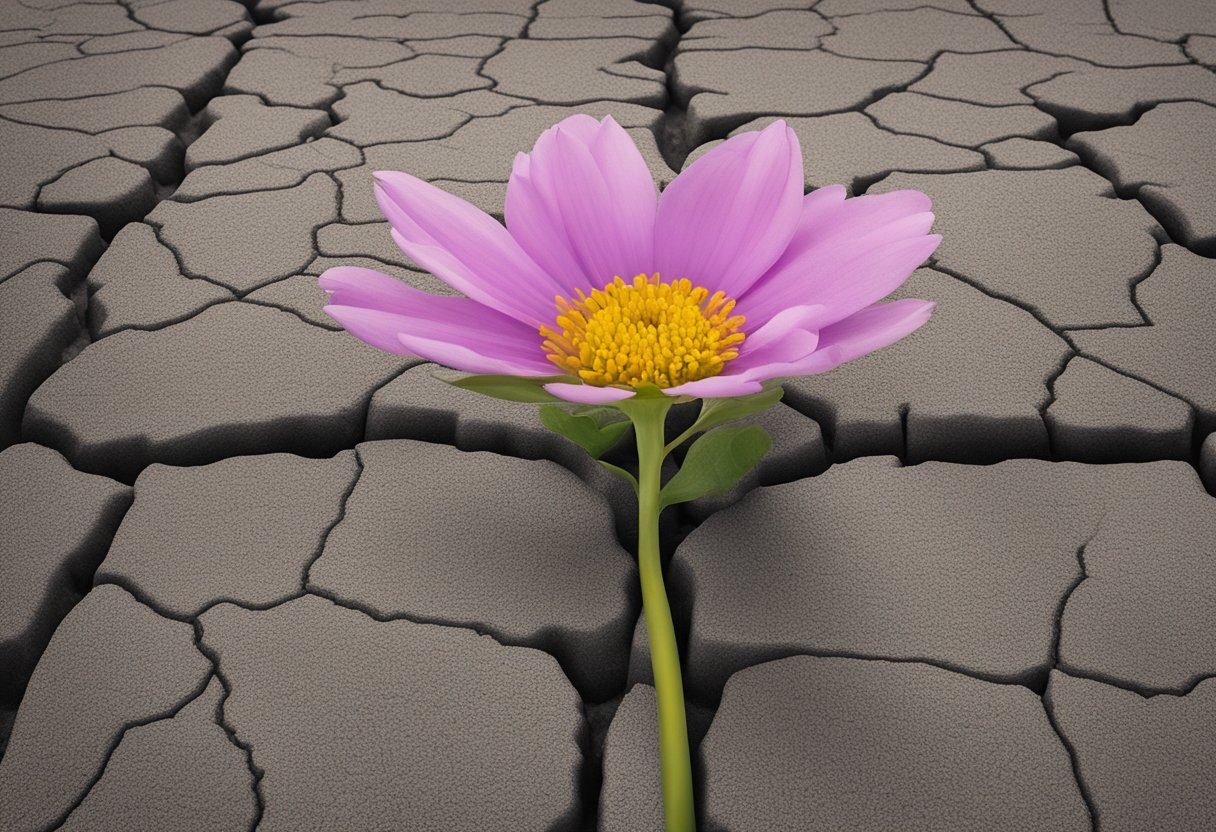
In our shared endeavor to support mental and emotional well-being, we discover self-validation is not just about acceptance. It’s also about recognizing our strength and resilience through cancer’s trials.
This internal acknowledgment serves as a cornerstone for restoring our quality of life. It helps us to create space for both vulnerability and growth. Embracing these self-validation techniques instills a sense of control and normalcy, which can significantly enhance our everyday living. They offer solace in that our emotions carry weight, and our experiences are accurate.
In our journey after lymphoma, we’ve learned to adopt strategies that acknowledge what we’ve faced and celebrate our victories, no matter how small. We foster a sportsmanlike spirit by leaning on our collective wisdom as a community and voicing our struggles and triumphs. This spirit drives us forward, united in our quest to redefine survivorship on our terms.
Key Takeaways
- Self-validation is key to mental and emotional well-being during cancer survivorship.
- Quality of life improves when we acknowledge our resilience and embrace growth.
- A community of shared wisdom supports us in redefining our survivorship journey.
The Psychology of Cancer Survivorship
As cancer survivors, we navigate complex emotions and mental challenges. We aim for a quality of life where our feelings and personal experiences are fully acknowledged and validated.
Understanding Emotions and Needs
Navigating through cancer, we decipher a swirl of emotions ranging from fear to hope. We need a safe space where we can express our feelings without judgment. This is a point where our emotional landscape is seen and deeply understood.
The Impact of Cancer on Mental Health
The cancer journey can leave tracks on our mental well-being. We confront stress, anxiety, and sometimes depression, recognizing that these responses are normal reactions to the adversity we’ve faced. We must find strategies to bolster our mental health, such as engaging in community support, seeking professional counseling, or practicing mindfulness.
Improving Quality of Life through Self-Validation
We enhance our day-to-day experience by affirming our feelings and our survivorship journey. For us men who’ve faced this illness, embracing hobbies like coaching a local sports team or participating in group fitness activities can be more than leisure—they become avenues for us to feel capable and connected, significantly uplifting our spirits.
Self-Validation Techniques for Survivors
As survivors, we embrace the recovery journey by reinforcing our emotional strength and peace. Our internal dialogue shapes our path forward.
Developing Self-Validation Skills
We recognize that self-validation is a critical skill for us. It involves acknowledging our genuine and legitimate emotions, thoughts, and experiences. To bolster this, we listen to what our bodies and minds tell us without judgment. We then affirm that it’s natural to have a spectrum of feelings, especially after something as life-changing as lymphoma. We devise a strategy for progress that includes acknowledging every small victory in our healing process.
Mindfulness and Self-Compassion Practices
We invest time in mindfulness practices to help maintain our focus on the present moment. This alleviates overwhelming feelings about past ordeals or future concerns.
Techniques such as breathing exercises or meditation can foster a sense of calm and present-mindedness. Equally, self-compassion practices remind us to be kind and forgiving towards ourselves, understanding that recovery is a process. We treat ourselves with the same empathy and care we would offer another survivor, recognizing our shared struggles and triumphs.
Assessing Survivorship Progress
Evaluating our journey through survivorship involves specific tools and reflective practices that allow us to monitor our progress with precision and thoughtful insight.

Measurement Tools and Scales
To effectively track our survivorship journey, we utilize structured measurement tools. One such tool is the Female Self-Advocacy in Cancer Survivorship Scale, which, though initially designed for females, has its counterpart adapted for us men.
This scale enables us to gauge our ability to assert our needs in the wake of cancer’s challenges. On a similar note, the adaptation of such scales reflects our unique experiences as men who have faced cancer multiple times. These scales undergo rigorous validation to ensure their accuracy and relevance to our conditions.
Self-Assessment and Reflective Practices
In tandem with measurement scales, self-assessment practices play a critical role. These include journaling our symptoms, treatments, and emotional states.
Maintaining a log creates a tool for reflection and progress tracking. Practicing mindfulness allows us to recognize and honor our emotions and experiences, fostering a sense of self-validation.
As a community of survivors, we share strategies and support, strengthening our resilience through shared experiences and understanding. We often find solace in engaging in sports, which uplifts us physically and provides a sense of camaraderie and accomplishment, further marking our progress on this path.
Support Systems and Rehabilitation

We often overlook the power of a strong support system and comprehensive rehabilitation services during cancer recovery. These pillars provide immense strength to us, the survivors, equipping us with resilience and practical tools to regain control over our lives.
Social Support and Survivor Relationships
We find solace in our relationships—family members, friends, and fellow survivors become our sanctuary.
Social support is a bedrock for sharing our struggles and triumphs, fostering connections that empower and sustain us. We learn from each other and exchange stories, and in these bonds, we discover a shared wisdom that no one faces this battle alone.
- Understand the significance of robust social networks
- Value the empathy and encouragement that come from survivor networks
Rehabilitation Services for Cancer Patients
Rehabilitation services address our spectrum of needs, guiding us back to normalcy.
Here lies a suite of resources, from physical therapy to nutritional counseling, that enable us to rebuild our strength and adapt our lifestyles post-recovery. As we’ve battled lymphoma, we’ve embraced these supportive care services to manage symptoms and improve our quality of life.
- Engage in tailored exercise regimens to boost our physical well-being
- Seek out professional advice on nutrition to enhance our body’s healing
Each step in rehabilitation paves the way for regaining our autonomy. With a collective spirit, we overcome challenges and thrive beyond cancer.
Addressing Emotional and Psychological Challenges

Coping with emotional upheaval post-cancer involves facing, processing, and understanding a range of feelings. We, as survivors, validate our own experiences while supporting others in similar fights.
Coping with Anxiety, Stress, and Depression
We recognize the prevalence of anxiety and depression as we adjust to post-treatment life. Stress, a typical response, often lingers after hospital visits are over. Tables and lists guide us in managing these emotional states:
Strategies for Handling Stress and Anxiety
- Routine Exercise: Regular activities like swimming or cycling alleviate stress.
- Mindful Meditation: Practices such as yoga encourage calmness and reduce worry.
For depression, seeking therapeutic support or joining support groups proves beneficial. Progressive muscle relaxation and deep breathing exercises also serve as practical tools.
Through shared experiences, we offer each other understanding and solace.
Overcoming Fear of Cancer Recurrence
The dread of cancer returning occupies our thoughts, but we tackle this fear head-on. Here’s how:
- Information is Power: Learning about symptoms and prevention helps us stay vigilant without overthinking.
- Setting Achievable Goals: Small, realistic objectives give us control over our future.
Together, we reinforce courage and resilience against the shadow of recurrence. By engaging in sports activities such as basketball or hiking, we maintain our physical health and keep our spirits high. Our collective journey is shaped by hope and mutual encouragement.
Enhancing Self-Perception after Cancer
Battling cancer reshapes our view of ourselves, often challenging our sense of worth and abilities. By embracing strategies that bolster self-esteem and acknowledging our unique capacities, we pave a path toward a more positive self-perception post-recovery.
Building Self-Esteem and Self-Worth
We know the journey through lymphoma was more than physical treatment; it was a test of self-resilience. Self-esteem is like a muscle we strengthen through perseverance and positive reinforcement.
Let’s consider creating a list of milestones we’ve conquered, no matter how small. This visible record of resilience serves as a constant reminder of our tenacity.
Engaging in team sports can be a transformative experience. It reconnects us with our physical selves and builds camaraderie.
Sports teach us that every role on the team has its worth, mirroring how our contributions to our communities remain valuable despite our health battles.
Accepting Limitations and Embracing Strengths
Every survivor carries a unique story of healing and adaptation. Acknowledging our new limitations does not mean defeat; it signifies the courage to adapt and thrive differently.
Here, an attitude of self-compassion is crucial. We engage in conversations about the shifts in our capabilities and find solace in shared experiences.
Harnessing our strengths becomes our strategy. Whether through mentorship, advocacy, or simply lending an ear, we offer support where our experiences have made us experts.
These acts foster community and cement our sense of self-worth, moving us away from our flawed perception towards a recognition of our inherent value.
End-of-Life Care Considerations

As survivors who’ve faced lymphoma head-on, we’ve learned valuable lessons about end-of-life care. Our shared journey equips us with insights that especially resonate with fellow men navigating this challenging stage.
Navigating Palliative and Hospice Care
Palliative care emerges as a beacon of tailored support, focusing on relief from the symptoms and stress of our illness. This care is about living as fully as possible at any stage in our fight.
It serves us when curative treatment might no longer be our path, ensuring comfort and dignity.
Hospice care, relative to palliative care, aligns with our values and choices when approaching the final phase.
It’s the embrace that shelters us when aggressive treatments take a step back, prioritizing quality of life in our remaining time.
These services come to our home or a facility, allowing us to be surrounded by what’s familiar and cherished.
Dealing with Physical Symptoms and End-of-Life Decisions
Our bodies signal us with various physical symptoms as we draw closer to the end. Pain, fatigue, and loss of appetite wear on us, making professional care teams indispensable.
They provide symptom relief, allowing us to focus on life’s most meaningful aspects during those times.
Decisions loom large as this horizon nears – from advanced directives to the nature of our final days.
We make these choices with clarity, ensuring they reflect our true desires for ourselves and ease the burden on our loved ones.
Often, a healthcare proxy or living will stand as our voice when we might not speak for ourselves.
On The Other Hand

We recognize the power of self-validation, particularly after surviving a health ordeal like lymphoma cancer. Sometimes, contrary to the collective emphasis on seeking external validation, we must take a step back and assess our healing journey.
Self-care Strategies for Male Cancer Survivors:
- Emotional Expression: We find strength in allowing ourselves to express emotions freely, as it fosters our emotional well-being and reinforces our resilience.
- Self-Empowerment: We adopt practices to enhance our sense of control, realizing empowerment aids recovery.
- Goal-Setting: We engage in setting attainable goals, which aids in reconstructing our life post-cancer.
Challenges in Validating Ourselves:
- Acknowledgment: We sometimes struggle to acknowledge our progress without external affirmation.
- Peer Guidance: We seek camaraderie with fellow male survivors, understanding that shared insights can illuminate our path to validation.
- Health Management: We emphasize routine health check-ups and physical activity, recognizing they are cornerstones of maintaining our well-being.
Concerns persist about the potential for isolation in counterpoint to the promotion of self-validation.
We journey together, striving to balance inner acknowledgment with the reinforcement received from our peers.
As male survivors, we consciously weave a support network that honors both self-reliance and the value of mutual encouragement.
Despite our dual triumphs over cancer, we remain in solidarity with every man on this path, endeavoring to cultivate an environment where we all can thrive.
Final Thoughts
Throughout our collective journey as cancer thrivers, we’ve uncovered an array of strategies to nurture our emotional well-being. Together, we’ve embraced self-validation as a cornerstone of healing.
These techniques are not mere concepts but lifelines that tether us to resilience and self-compassion.
Our wins, whether on the track field or in the quiet confines of our living spaces, echo the tenacity inherent in every man who has faced cancer head-on.
With each day, we redefine what it means to live beyond cancer.
It’s not just about reaching for remission; it’s also about reclaiming the joy in every dribble on the basketball court, each mile cycled, and every heart-to-heart with fellow survivors.
We affirm our feelings, recognizing them as guides rather than obstacles.
Our conversations spark connections, fueling a community of support that empowers us all.
We’ve discovered that we foster an environment where healing thrives when we listen and respond to our needs.
As we share our narratives, we inspire and remind one another that our path is one of courage and continuous growth.
Let’s carry forward, sustaining this momentum in our lives and the lives of others.
By validating our experiences and promoting self-care practices, we contribute to a legacy of strength and hope.
So here’s to us, the most helpful guides in each other’s cancer survival adventure, as we continue to support one another every step of the way. -T
Frequently Asked Questions
This section addresses pivotal inquiries during and after cancer treatment, focusing on self-validation and survival strategies that underscore our collective journey toward health.
How do self-management interventions aid in the recovery of cancer survivors?
Self-management interventions equip us with skills to handle the physical, psychological, and social challenges post-diagnosis. They foster resilience by emphasizing the proactive management of health and wellness, as highlighted in research on the topic.
What are the survival rates for different stages of cancer?
Survival rates for cancer vary by stage at diagnosis and are determined by factors such as the type of cancer and advances in treatment methods. For example, early-stage cancers generally have higher survival rates.
How can a cancer survivor measure their self-efficacy throughout recovery?
We can measure our self-efficacy by setting personal health goals and tracking our progress. These goals range from maintaining energy levels to managing symptoms or side effects.
What practices improve the odds of long-term remission for cancer survivors?
Engaging in regular physical activities and tailoring nutrition plans are practices that have been observed to support long-term remission. They maintain our physical health and aid in recovery.
Which coping strategies are adequate for emotional well-being after cancer treatment?
Strategies like joining support groups provide emotional relief and sharing experiences. Practices like meditation also help us stay centered and cope with stress.
What role does social support play in cancer survivorship?
Social support plays a critical role by providing us with a network of care and understanding. It bolsters our emotional strength. It can positively impact our recovery journey.
