

Cancer Thriver’s Guide to Measuring Progress
The path to becoming a cancer thriver is marked by profound personal changes that unfold during and after the ordeal of a diagnosis.
As survivors of lymphoma twice over, we’ve come to understand the profound depth of inner strength and transformation that such a health challenge can elicit.
We’ve embraced a lifestyle that prioritizes well-being and resilience, recognizing that the cancer journey reshapes us in ways we couldn’t imagine. This fuels our commitment to living fully and supporting our peers through their trials.

Our collective experiences do not just reflect our medical histories; they represent chapters of growth, learning, and renewed purpose.
We’ve integrated these life-altering experiences into the fabric of who we are, using them as a catalyst for positive change.
We’ve found strength in the community, adopting roles as mentors and advocates for others navigating similar paths.
This shared journey fosters a unique camaraderie, empowering us to redefine our lives with vigor and intention. We transcend the challenges and emerge more grounded and focused than ever before.
Key Takeaways
- A cancer diagnosis can be a catalyst for profound personal transformation.
- Community support plays a vital role in fostering resilience among survivors.
- Lifestyle adjustments post-cancer are integral to thriving and promoting long-term health.
Understanding the Cancer Journey

Navigating the intricacies of a cancer journey requires resilience and awareness.
The Diagnosis Experience
When we hear the words, “You have cancer,” the world stops for a moment. Our initial reaction is a complex blend of disbelief, fear, and a pressing need for information.
We need courage and a network of support to steady us as we process the reality of our diagnosis.
Navigating Treatment Options
Choosing a path for treatment is akin to formulating a game plan in a high-stakes match.
We meticulously assess every available strategy to ensure we select the optimal regimen.
From traditional chemotherapy and radiation to the latest clinical trials, each option carries potential benefits and risks we must weigh with precision.
Symptoms Management
Tackling symptoms and side effects demands a proactive stance. We may experience fatigue, pain, or other discomforts, each requiring targeted tactics to maintain our quality of life.
By staying attuned to our bodies and adopting various management techniques, we preserve our strength for the day-to-day battles.
Psychological Impacts of Cancer
The journey through cancer entails a complex spectrum of psychological experiences, ranging from intense emotional responses to the challenges of long-term coping strategies.
Emotional Responses to Diagnosis
When we first hear the words “You have cancer,” a whirlwind of emotions overwhelms us.
It’s common to grapple with intense fear and emotional distress, each of us facing a distinct battle with uncertainty and concern for our future.
These feelings might manifest as shock, anger, or profound sadness as we begin to process the gravity of the diagnosis.
Coping with Chronic Illness
Living with cancer as a chronic illness requires us to develop robust coping mechanisms.
We seek ways to maintain psychological well-being amidst ongoing treatments and the prospect of recurrence.
Some of us find strength in support groups, engaging in activities we love, like cheering on our favorite sports teams, while others may find solace in meditation or spiritual practices.
Psychological Distress and Well-Being
Our mental health can oscillate between psychological distress and states of mental peace.
We strive to achieve a balance where stress-related growth becomes possible.
It is not unusual to witness a transformation within ourselves, as overcoming the obstacles cancer places before us can lead to a newfound appreciation for life and our strength. We learn that well-being is not just the absence of distress but a multidimensional experience of thriving despite adversity.
Personal Growth Through Adversity
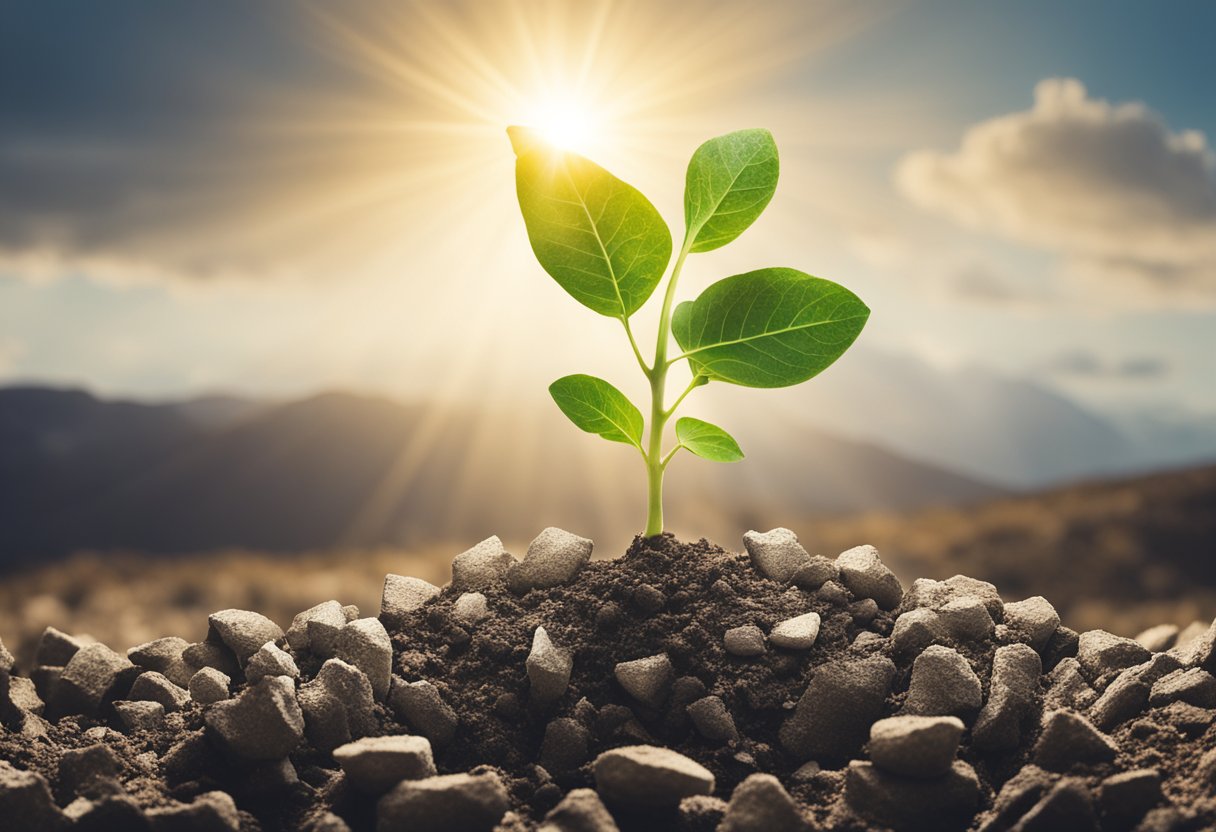
Our journey through cancer brings unforeseen challenges that often lead us to discover profound personal growth and resilience. Through the lens of this experience, we not only endure but also extract meaningful insights and inner strength.
Understanding Posttraumatic Growth
As survivors, we acknowledge the transformative power that arises from adversity.
Posttraumatic growth refers to the beneficial change that can occur following a struggle with a significant life crisis like cancer.
We may emerge with a deeper appreciation of life, often noticing the value in previously overlooked moments.
Identifying Personal Strengths
Confronting cancer, we unveil personal strengths we might have been unaware of.
This crucible forges qualities such as determination, compassion, and resourcefulness.
For many of us, the act of surviving stands as a testament to our tenacity and capability to navigate life’s toughest challenges.
Finding Meaning After Cancer
In the aftermath of our battles, making sense of our experience becomes vital.
We often engage in meaning-making, seeking to understand how this adversity has reshaped our perception.
The pursuit of new possibilities becomes a pathway leading us toward reinvention and inspires us to support our fellow men on similar journeys.
Through these new lenses, we see life with a richer palette of purpose and hope.
Cancer in the Community Context
In our journey with cancer, we discover that healing extends beyond the hospital—it flourishes through the robust support found in our community networks.
Family and Friends Support
When we battle cancer, the people closest to us form an irreplaceable pillar of strength.
Our families and friends offer more than just emotional backing; they provide practical help, from managing appointments to understanding complex medical information.
Their encouragement becomes the foundation for our resilience and will to persevere.
Building Relationships with Survivors
The bonds we forge with fellow survivors offer comfort and camaraderie that only those with shared experiences can provide.
As individuals with lymphoma, we find solace in the empathy and understanding that pervade these relationships.
Together, we form a network of survivors, exchanging stories and strategies that reinforce our collective resolve.
Community and Awareness Efforts
Awareness campaigns serve as a beacon, illuminating the path for those touched by cancer and the broader community.
In October, we see a surge in these efforts, although our focus lies beyond a single month or type of cancer.
Every initiative, large or small, contributes to a greater understanding and fosters an environment where all survivors receive the support they need.
Fostering Resilience and Empowerment
We find our strength in survival and the transformation that follows. Resilience and empowerment are anchors for us, the men who have braved the cancer journey, to rebuild and affirm our identity.
The Influence of Role Models
Role models act as compasses. They guide us, providing a framework for resilience.
Take, for instance, public figures who have come forward about their lymphoma, demonstrating both vulnerability and grit.
Their stories ignite a spark within us, a belief that we, too, can navigate this path with courage.
Constructing a Strong Identity
Our identities undergo a profound forge in the face of adversity.
We build a resilient self-image from the raw materials of our experiences.
Post-diagnosis, as we claw our way back to life, our renewed identity emerges, grounded in the reality that we’ve withstood one of life’s sternest tests not once but twice.
The Role of Empowerment
Empowerment is the rudder that steers us toward active participation in our healing.
Armed with knowledge, we make decisions with clarity and conviction.
Interventions that promote resilience can arm us with strategies to maintain our well-being.
We learn to interpret our body’s signals, advocate for ourselves in the medical sphere, and forge a survivorship life beyond our initial battles.
Healthcare and Survivorship
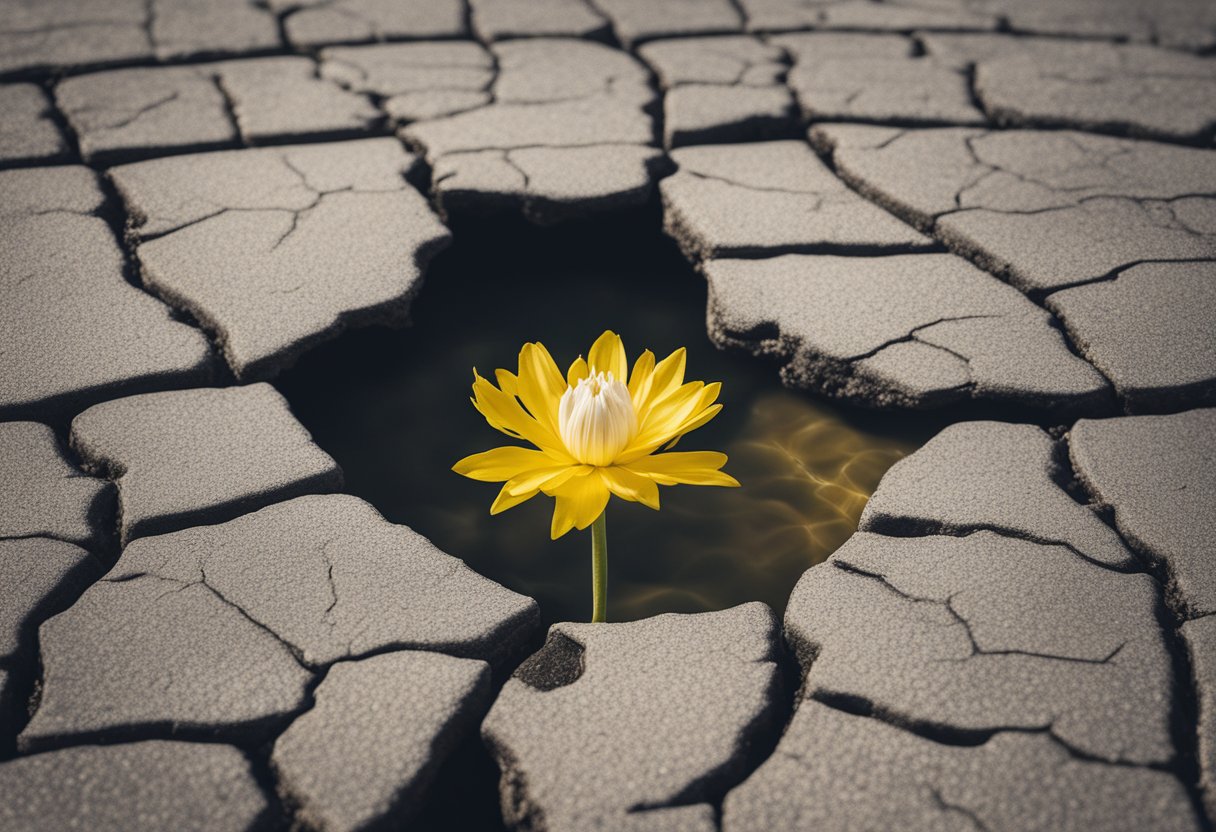
As we navigate the aftermath of cancer treatment, we often face new challenges that include managing long-term health and adapting to changes in our daily lives.
The right healthcare strategies can support a high quality of life and empower us to live fully as survivors.
Long-Term Quality of Life
For us, thriving post-cancer involves more than just surviving; it necessitates a sustained focus on enhancing the quality of life.
Comprehensive post-treatment healthcare is pivotal in alleviating the residuals of cancer and treatment. It’s less about returning to how life was and more about establishing a new state of wellness where we may find a new appreciation for life’s details, celebrating big and small victories.
Survivorship Care Plans
Survivorship care plans are critical in guiding us through the complexities of life post-treatment.
These individualized plans, outlined by our healthcare teams, arm us with knowledge and actionable steps to address potential late effects of treatment. They ensure continuity of care, with a clear map of follow-ups and specific lifestyle modifications to nurture our health.
Living with Chronic Disease
A cancer diagnosis often introduces us to the prospect of living with a chronic disease.
The dialogue surrounding survivorship must acknowledge that, for some, cancer becomes a continuous battle requiring diligent, long-term management.
Psychologically adjusting to this reality can take time, but regular interaction with healthcare providers and participation in support networks bolster our resilience against the psychological fallout of chronic illness.
Taking on this trek together allows us to share wisdom and provide support, recognizing each other’s growth and strength in adversity. We know what it means to be more than just survivors; we are warriors reshaping our identities and experiences, encouraging each other every step of the way.
Lifestyle Adjustments and Self-Care

As thrivers, we acknowledge the role of consistent self-care and lifestyle adaptations in nurturing our well-being and growth post-cancer.
These practices support us in leading entire lives, aligned with our values and the meaning we’ve discovered through our experiences.
Importance of Self-Care Routines
We understand that regular self-care routines create a foundation for resilience.
By committing to daily practices such as mindfulness, nutritious eating, and restful sleep, we foster a positive environment for our bodies and minds to recuperate.
These routines are the bedrock of our renewed strength, allowing us to face life with vigor and a grounded sense of purpose.
Adopting Healthy Lifestyle Choices
We opt for life choices that enhance our overall health and support us as cancer thrivers.
This means choosing activities and habits that bolster our physical fitness, such as:
- Regular exercise: Engaging in activities like swimming, cycling, or joining a sports team ensures our bodies stay strong and vital.
- Balanced diet: Consuming a variety of whole foods invites an array of nutrients our bodies require for optimal function.
Through these selections, we not only maintain our physical vigor but also affirm our commitment to thriving in the long term.
Incorporating Meaningful Activities
Discovering and integrating activities that lend meaning to our lives is essential for flourishing.
Whether it’s community volunteering, gardening, or artistic pursuits, these endeavors bring us joy and a profound sense of fulfillment. As men who’ve faced the trials of cancer, these experiences enrich our lives, enabling us to contribute to our communities and find harmony within our stories of survival and growth.
Final Thoughts

As we reflect on the twists and turns of our cancer journeys, we recognize a unique strength that has taken root within us. Lymphoma, a formidable opponent, has visited some of us not once but twice. However, it is through these challenges that our resilience has blossomed.
- Resilience is not solely our ability to bounce back; it’s our capacity to thrive—developing a more profound empathy, a clearer purpose, and a more earnest connection with those around us.
- Empathy guides us, enabling us to offer a hand or an ear to fellow men battling against any cancer. We understand that shared experiences create bonds stronger than steel.
Our growth becomes evident as we look back at the obstacles we’ve overcome. We celebrate each victory on the field and in the clinics, as both arenas require teamwork, dedication, and spirit.
- Teamwork in cancer care echoes the camaraderie in sports; we tackle hurdles together and pass on our will to win against all odds.
- Spirit that endures despite the toughest innings highlights our relentless drive—defiance against the pitch of adversity.
Frequently Asked Questions
In our journey with cancer, we uncover insights that redefine survival and unearth resilience.
What does it mean to be a ‘cancer thriver’ rather than a survivor?
To us, being a ‘cancer thriver’ means embracing life beyond mere survival. It celebrates the active pursuit of well-being and fulfillment despite our diagnosis, a concept that has gained traction among those who feel it more accurately captures their ongoing journey.
How do cancer patients typically define resilience during and after treatment?
Resilience for us means mustering our inner strength to face cancer head-on. It’s about adapting to our new reality with grit, tapping into our social support, and finding joy in the small victories that come our way during and after treatment.
Which coping strategies are most common among individuals dealing with cancer?
We often turn to various coping strategies, such as mindfulness practices, staying physically active, and connecting with peers in support groups. These actions provide comfort and control in an otherwise uncertain time.
Is it possible for stage 4 cancer to be put into remission, and are there known cases?
Yes, stage 4 cancer can reach remission, and we’ve seen warriors achieve this incredible milestone. Though the challenges are immense, treatments have progressed, offering hope where it once seemed scant.
What dietary considerations should be taken into account by cancer patients to manage estrogen levels?
Cancer patients might adjust their nutrition to manage estrogen levels, focusing on foods that could potentially regulate hormone levels. This often involves including more plant-based items and being mindful of food sources that could affect estrogen.
What are some dietary approaches taken by cancer patients seeking alternative treatments?
Some of us seeking alternate avenues might explore diets that emphasize whole foods.
They might also reduce sugar intake and increase the consumption of anti-inflammatory foods. The aim is to support the body’s natural defenses and overall well-being.
