

Navigating Emotional Complexities
Coping with a cancer diagnosis and its consequent treatment ushers in a whirlwind of emotions for survivors. We may grapple with ambivalence, a nuanced emotional state where conflicting feelings coexist. This presents a complex psychological landscape we need to navigate.
Our survival can elicit relief and gratitude, yet we can’t always escape the shadow of fear and uncertainty that lingers. This perplexes us with mixed sentiments about the future.

As we embark on our continued journey beyond cancer, understanding these divergent emotions becomes vital to fostering our resilience.
We connect over shared stories, recognize the layered challenges each of us faces, and strive to offer support that resonates with the unique experience of male cancer survivors.
From physical hardships to the subtleties of mental health, we aim for a holistic approach to improve our quality of life. We endorse a narrative that mirrors our diverse experiences without resorting to generalizations or oversimplified advice.
Key Takeaways
- Survivorship evokes a spectrum of emotions, including relief and distress.
- Support for male survivors is tailored to distinct physical and emotional needs.
- Strategies that bolster our overall health are rooted in personal experience.
Understanding Ambivalence in Cancer Survivorship

In our journey through cancer survivorship, we often grapple with conflicting feelings toward our emotions and how we choose to express them.
Emotional Ambivalence and Cancer
We know from experience that surviving cancer comes with a myriad of emotions. We often simultaneously harbor gratitude for survival and grief for what we’ve endured.
Emotional ambivalence signifies our struggle. It’s that internal tug-of-war where joy intermingles with sorrow, creating an emotional landscape that’s as challenging as the cancer itself.
Within our support networks, we seek solace, yet it’s common to shield our loved ones from the full extent of our turmoil.
Surviving lymphoma, particularly in men, involves navigating social expectations that often demand stoicism. Our drive to remain strong for others can conflict with the need to grieve and process our experience. Recognizing this internal conflict is essential.
By validating our feelings, we foster a supportive environment where it’s permissible to be vulnerable and strong in equal measure.
Ambivalence Over Emotional Expression
The dilemma of expressing our emotions without seeming ungrateful for our survival is a common struggle. The concept of ambivalence over emotional expression encapsulates this.
At times, we’re bursting to share our trials and the lessons drawn from them, to reach out to fellow survivors with wisdom and empathy. Other times, there’s a reluctance, a fear that speaking of our hardships might overshadow the triumphs.
This ambivalence isn’t merely a matter of deciding whether to speak; it reflects the internal strife over our yearning to elucidate our stories versus the impulse to retreat into silence.
Societies often do not encourage emotional expressivity for men in survivorship, suggesting that stoicism is the hallmark of resilience. Yet, we must champion the value of expressive richness, dismantling stereotypes, and fostering genuine healing through shared narratives.
Health and Well-being of Cancer Survivors
Surviving cancer, particularly as men, we enter a realm where every day is a nuanced journey towards reclaiming our health and well-being. Our shared experiences, though deeply personal, reflect common challenges and triumphs in both psychological and physical realms post-recovery.
Psychological Well-being
After the battle with cancer, it’s natural to experience a mosaic of emotions. We might find ourselves grappling with anxiety or depression, even long after achieving remission.
But it’s essential to recognize that resilience plays a significant role in our psychological well-being.
Our mental fortitude influences how we interpret symptoms and the quality of our everyday lives.
Nurturing our mental health is as crucial as monitoring our physical state.
Seeking support groups or professional help isn’t a sign of weakness but a stride towards enduring well-being.
Physical Health After Cancer
Once declared cancer-free, we often perceive that we should feel elated and physically reborn. Yet, the reality can be strikingly different.
Our physical health after triumphing over the disease involves managing the long-term effects of treatments.
Activities we once took for granted may be more challenging, but we build resilience through adaptive fitness routines geared towards masculine strength and endurance.
Intelligent diet choices and regular screenings are our shields in preserving the health-related quality of life and remaining alert to our bodies’ signals.
Impact of Cancer Diagnosis and Treatment
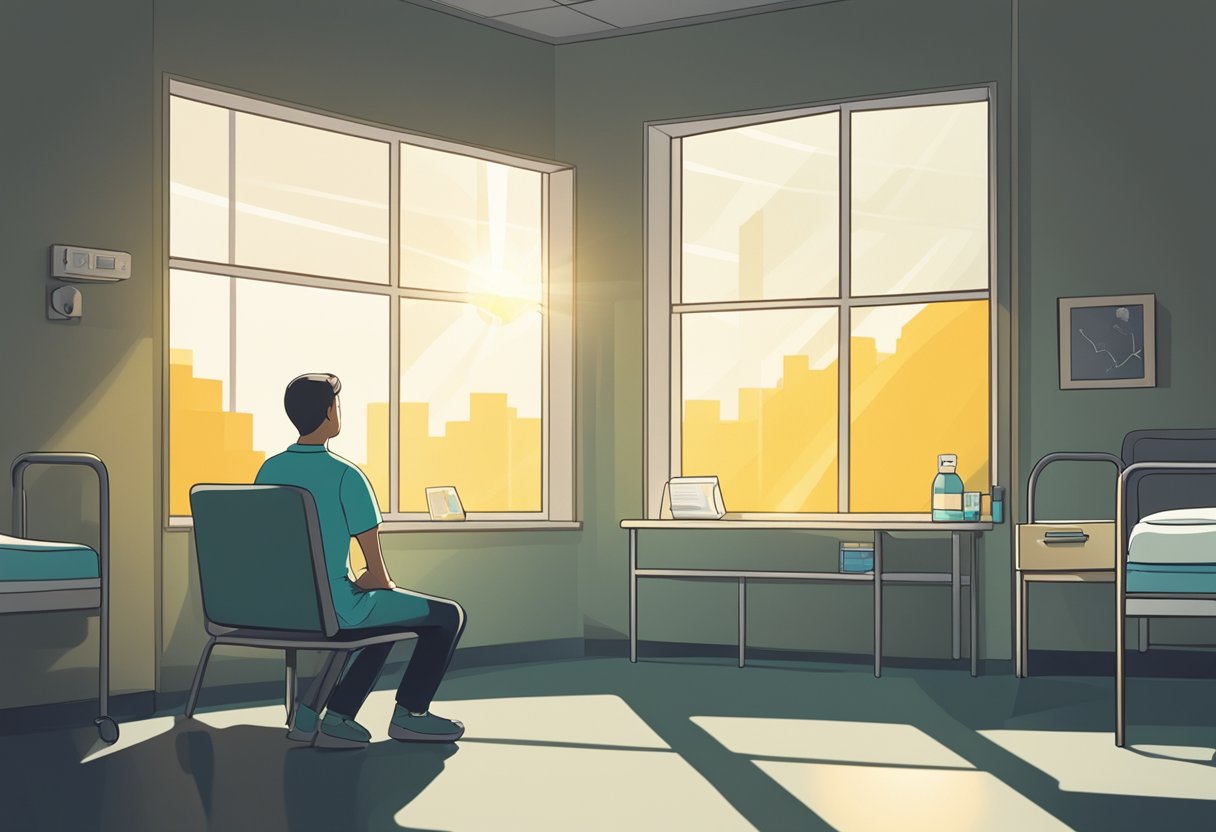
The path to survivorship begins with the daunting moment of a cancer diagnosis. It extends far beyond the completion of treatment, encompassing both psychological distress and the potential for posttraumatic growth.
Psychological Impact of Cancer
Upon hearing “you have cancer,” we are thrust into an emotional whirlwind. Feelings of shock, anxiety, and uncertainty become our daily companions.
Psychologically, we can face a range of responses, from fear of recurrence to questions about our identity and purpose.
Studies, like those published in BMC Cancer, validate the heightened prevalence of depression and anxiety among survivors like us.
Life After Cancer Treatment
Crossing the finish line of cancer treatment marks the beginning of a new chapter, one where our physical health is closely monitored, but our emotional well-being must not be neglected.
The concept of cancer survivorship encapsulates this ongoing journey.
While we grapple with potential long-term physical aftereffects, adjusting to our “new normal” can be equally challenging.
We may find ourselves changed during these survivorship phases, often with a newfound appreciation for life. Posttreatment, it’s not uncommon for us to experience posttraumatic growth—a sense of personal evolution rising from adversity.
Our focus shifts to fostering well-being, rekindling old passions, or discovering new interests, perhaps even in sports, supporting our physical recovery and mental fortitude.
Regular check-ups and a commitment to healthy lifestyle choices become cornerstones of our new routine, steering us toward sustained well-being.
Social Support and Coping Strategies
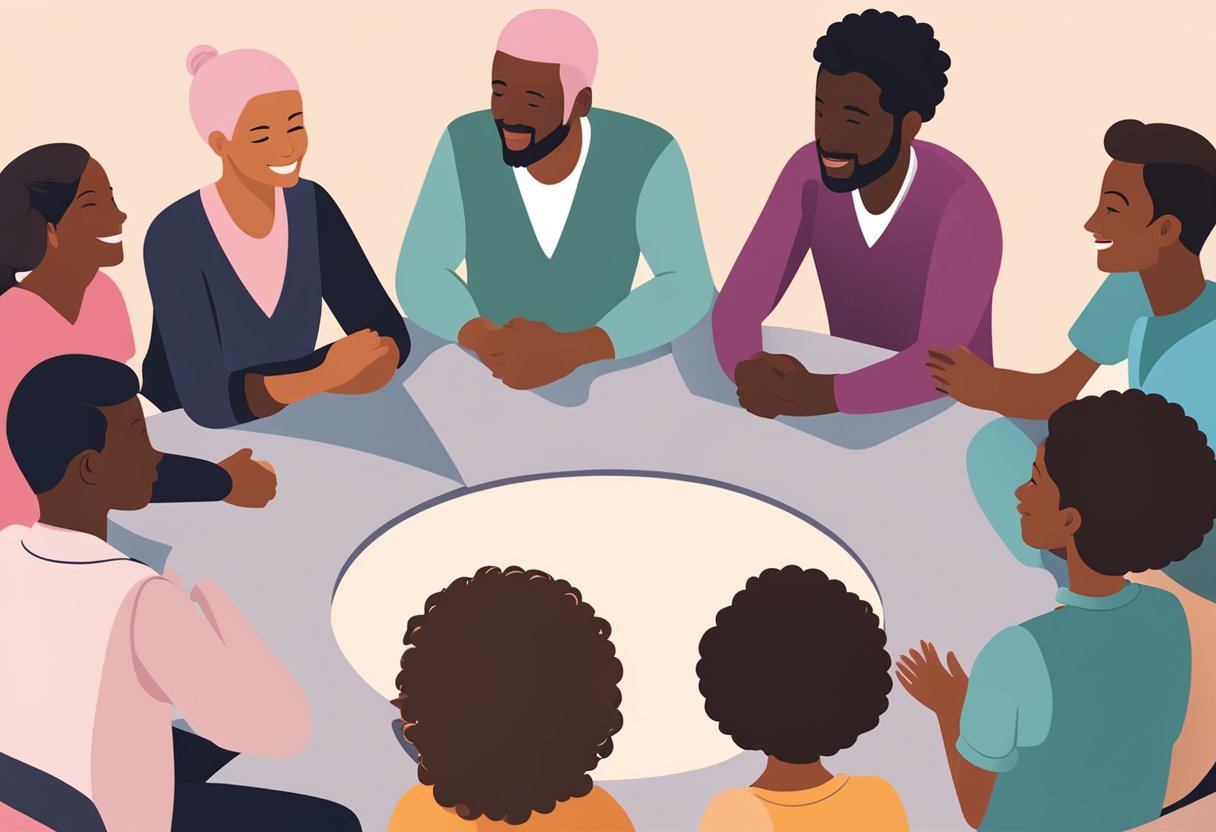
As survivors, we recognize that navigating life post-cancer is as much about mental resilience as it is about physical recovery. We find strength not just within ourselves but also within our community.
Role of Social Support
In the journey beyond cancer, the presence of a supportive network can act as a powerful buffer against the waves of uncertainty and emotional turbulence.
For us men who have battled through lymphoma, the solidarity from peers and loved ones provides a foundation to lean on.
These networks offer emotional reassurance, practical advice, and assistance that cater to our unique experience.
The magnitude of social support we perceive influences our capacity to adjust psychosocially and tackle the stressors that come with survivorship.
Coping Mechanisms for Survivors
Coping strategies are our tools to manage the residual effects of cancer. We engage in both problem-focused and emotion-focused approaches.
Activities like joining a sports club or organizing community events allow us to regain control and purpose.
Furthermore, practices such as mindfulness and connecting with fellow survivors through support groups foster emotional healing.
We learn to balance our lives, engage in activities that rebuild our sense of self, and maintain a positive outlook in the face of challenges that arise post-treatment.
Challenges Specific to Demographic Groups

In our journey as cancer survivors, we’ve encountered various hurdles that are often magnified by demographic factors. Each survivor’s narrative is shaped by culture, race, age, and gender.
Cultural and Racial Considerations
We, as a survivor community, recognize that cultural identity significantly influences the cancer experience.
For instance, Asian American and Chinese American survivors may confront unique challenges, such as overcoming the stigma associated with cancer. This stigma can lead to delayed diagnosis and treatment, compounding the stress we already carry.
Furthermore, these cultural barriers often prevent open discussions about the disease, thereby hindering our access to support and resources that are vital for our healing and recovery.
Age and Gender Differences
Among us, men often face a set of age and gender differences in their survivorship.
Gender differences play a role where societal expectations can pressure us to maintain a façade of strength, inadvertently causing some of us to neglect our emotional well-being.
Additionally, the intersection of age differences and cancer becomes a point of attention.
We’ve learned that younger survivors might struggle with issues unique to their stage in life, such as fertility, while older survivors might battle with comorbidities and concerns of dependency. Each stage of life brings distinct fears that need to be met with tailored support systems.
Psychosocial Interventions and Survivor Care
In the wake of surviving cancer, we often contend with complex emotions. Psychosocial interventions provide a framework to manage these feelings and navigate the intricacies of post-treatment care.
Mental Health Interventions
Psychosocial well-being constitutes a crucial facet of survivorship, especially for us who have faced lymphoma.
One avenue is expressive writing intervention, which encourages us to articulate our journey and emotions, fostering a cathartic release and aiding in emotional healing.
Clinicians in clinical psychology recommend this practice for its therapeutic benefits, which include improved mood and reduced stress.
Oncologists and health care providers can guide us through this intervention, ensuring we engage with it effectively for maximal advantage.
By recording our experiences, we confront our ambivalence head-on, encourage self-reflection, and gain valuable insights into our resilience.
Navigating the Health Care System
Our path through the health care system post-cancer often feels labyrinthine.
We need to have streamlined access to resources and support systems.
Healthcare providers serve as navigators, enabling us to interface with various facets of care, from follow-up appointments to monitoring potential recurrences.
We should actively engage with specialists to construct a healthcare map tailored to our unique needs.
Educational resources provided by our care team empower us to make informed decisions, advocate for ourselves, and stay abreast of novel treatments and support networks.
Such proactive involvement demystifies the healthcare system, making it appear less daunting and more manageable.
Research, Evidence, and the Future of Survivorship

Our collective journey through cancer survivorship brims with complex findings and evolving practices. In reflecting on our resilience, we navigate through comprehensive studies and progressive care models, projecting a beacon of optimism for the path ahead.
Studies and Reviews
Systematic Reviews and Meta-Analyses:
Undertaking rigorous systematic reviews, we synthesize data that shed light on the prevalence and consequences of cancer ambivalence among survivors.
Meta-analyses bolster our understanding, piecing together fragmented findings into a cohesive narrative. This scholarly approach clarifies trends in cancer incidence and elevates the discourse on survival rates and public health implications.
- For instance, one review identifies gaps in post-treatment care, emphasizing the need for research and better frameworks to support survivors.
Current Research in Survivorship:
Recent studies delve into the practical aspects of survivorship, revealing both barriers and opportunities.
They focus keenly on the long-term care of survivors, recognizing that our journey does not end with remission but transforms into a persistent quest for health and well-being.
- Practical encapsulation of current research is accessible in pieces such as the Journal of Cancer Survivorship, which investigates the effectiveness of various models of survivorship care.
Advancements in Survivorship Care
Improvements in Care Models:
We herald the introduction of improved care models tailored for survivors, as these frameworks promise a more integrated and personalized approach.
Facilitators and barriers to implementing these models are continuously scrutinized, ensuring we refine our strategies.
- A pivotal resource detailing the integration of primary care providers into the survivorship journey can be found here.
Propelling Public Health Initiatives:
Our resolve strengthens as we push for public health initiatives championing survivor needs.
We craft targeted programs that address our unique challenges by harnessing evidence from systematic reviews and research studies.
- As we look ahead, predictions of an increasing survivor population as per cancer estimates necessitate an upsurge in supportive services.
On The Other Hand
Encountering cancer can be an unsettling rollercoaster, rife with swift turns and steep drops in emotions.
Many of us feel a stark duality in these moments: grateful for survival yet engulfed by the fears of what lies ahead. Our ambivalence often stems from the awareness that, although we have conquered cancer today, tomorrow remains uncertain.
When we talk about our journeys, it isn’t simply about survival; it’s also acknowledging that life after cancer carries a unique weight.
Our chats with fellow survivors, especially us men, typically revolve around this newfound resilience — we’ve faced mortality straight on, not once but twice.
Seek out a support group, and you’ll notice a camaraderie defined by understanding and shared experiences.
Here, it becomes evident why some prefer “cancer fighter” to “cancer survivor“: it captures the ongoing battle, not just the victories.
Our Physical and Emotional Duels:
The Vigor to Prevail: We channel our competitive spirit into overcoming the disease just as an athlete would prepare for a sports event.
Bouts of Apprehension: The specter of recurrence looms, heightening our vigilance towards our health.
Navigating the health system is a test of endurance, akin to a challenging game, pressing us to advocate for our care, juggling appointments and treatment plans.
In essence, we are the players in this game of life, embracing triumphs and acknowledging the endurance needed for whatever lies ahead.
Final Thoughts
Surviving lymphoma not once but twice shapes our resilience. We’ve navigated the complex emotions tied to our health challenges, and through this, we’ve gained strength and insight.
Here, we stand united—fellow men on a similar journey, sharing the triumphs and uncertainties that follow treatment.
Emotional Well-Being: Post-recovery, we may experience a mix of feelings. Joy for overcoming the odds, yet hesitation about the future. -T
- Engaging in sports or physical activities can be a powerful outlet for managing these emotions and
channeling energy into something constructive and community-building.
Physical Health: Staying active is paramount. Tailored exercise routines can enhance recovery and foster a sense of control over our bodies.
Social Support: Leaning on peers, family, and support groups provides a compassionate network we can rely on, ensuring that none of us face this path alone.
Proactive Living: Regular check-ups and a healthy lifestyle are our shields, equipping us to survive and thrive.
Frequently Asked Questions
In our journey as cancer survivors, we’ve faced complex changes, both internally and externally.
Our struggle has reshaped our relationships, self-identity, and approach to life.
How does enduring cancer influence personal identity and perspective?
Surviving cancer reshapes our self-view and worldview. We often emerge with a renewed sense of purpose.
We also experience a shift in what we value most in life.
Can life truly return to its pre-diagnosis state for cancer survivors?
Life post-cancer is a new normal.
While we strive to regain routines, our experiences permanently alter our life’s structure and outlook.
What are the recurrent cancer risks for individuals who have beaten it once?
Vigilance against recurrence is a part of our lives.
Though specific risks vary, regular check-ups are crucial to catch and address any re-emergence swiftly.
What psychological challenges might individuals face after surviving cancer?
We may grapple with anxiety, depression, or post-traumatic stress.
Recognizing these battles is the first step toward seeking the support we need.
How do relationships typically evolve for those who have experienced cancer?
Our bonds often deepen, yet some may fade as we and others around us adjust to the new dynamics that cancer introduces into our relationships.
What long-term health management is advised for those in cancer remission?
A proactive approach to health is advisable post-cancer.
This includes regular monitoring, a balanced diet, and physical activity tailored to our needs and capabilities.
