

Discovering Resilience Through Art
Facing cancer is an immense challenge. This is especially true for men who may struggle to open up about their struggles. Creative outlets can be a powerful tool for thriving through this journey.
Painting, writing, or music allows us to express our feelings. They also offer a way to reduce stress and lift our spirits.

Our connection with art is a lifeline that helps us change our mood, overcome depression, or relax. By immersing ourselves in creative projects, we forge a path toward healing that respects our personal experiences and fosters resilience.
This reminds us that we do not have to walk this path alone and can find strength in creativity.
Another vital aspect is confronting our shifting identity and sense of masculinity. As we engage in creative practices, we redefine what it means to be strong and how we see ourselves. By sharing and creating, we build a supportive community that understands and shares our unique journey.
Key Takeaways
- Creative activities help in emotional and mental healing.
- Art can reshape our perspectives and support our identity.
- Engaging in creative projects fosters a supportive community.
Understanding the Cancer Journey

Navigating the journey after a cancer diagnosis involves coping with emotional impacts and relying on support systems to aid recovery. It’s crucial to address the fear and anxiety associated with treatment and find strength in the community.
The Emotional Impact of a Cancer Diagnosis
Getting a cancer diagnosis can be a huge shock. We often feel scared and anxious about the road ahead. These emotions can be intense and overwhelming. It’s common to feel this way.
When I was diagnosed with lymphoma, I struggled with fear. Facing treatment made everything seem uncertain. Our mental health suffers as we process our new reality.
Feeling this way doesn’t make us weak. We need to recognize and address these emotions. Creative outlets like painting or writing can help. They offer a therapeutic escape and assist us in coping with our feelings.
Engaging in these activities helps balance our mental state and provides relief.
Art and music don’t cure cancer. They support emotional well-being. While navigating treatment, seeking joy through creativity can lessen anxiety’s grip. It’s valuable in our fight against cancer.
The Role of Support Systems in Recovery
Support systems are vital in our cancer recovery journey. Family, friends, and the community play huge roles. Their presence provides comfort and strength during tough times.
When I dealt with blood cancer, my family’s support was crucial. They were there during treatment and recovery. Their encouragement and love were irreplaceable.
Communities also provide immense help. Support groups and counseling bring together people facing similar challenges. Sharing experiences and advice helps us feel less alone. We gain practical insights and emotional support.
Professional support, too, is essential. Doctors, nurses, and therapists offer specialized care. They guide us through treatment and recovery and ensure we receive medical attention.
Support systems offer a solid foundation. Together, they help us tackle cancer and enhance our quality of life. They make the journey manageable by sharing the load and helping. We find our strength in these connections.
Role of Creative Expression in Healing

Creative activities like painting, writing, or music can be therapeutic for the soul. These activities help us process emotions, reduce stress, and foster healing.
Art Therapy and Its Benefits
Art therapy provides a powerful way to express and process our emotions. As individuals who have faced significant challenges, we understand the importance of finding healthy outlets for the stress and feelings that come with trauma.
Painting, drawing, and other visual arts allow us to express feelings that might be difficult to put into words.
This therapy can help us feel more in control and provide a sense of accomplishment. Engaging in artistic activities can also reduce stress and promote relaxation.
According to ScienceDirect, engaging in creative expression has been shown to enhance physical and emotional well-being. It also helps improve social interactions, which can be crucial in our healing journey.
Writing as a Tool for Emotional Release
Writing is another powerful tool for emotional release. We can express our feelings and experiences through journals, poetry, or stories.
Putting pen to paper allows us to process traumatic events and reflect on our journey. Writing helps us organize our thoughts and gives us a safe space to express our deepest emotions.
Many find that documenting their experiences provides clarity and a sense of order.
According to research on Art Therapy, writing can also help control stress-associated behaviors. Writing our stories allows us to connect more deeply with ourselves and enhance our interpersonal relationships by providing insights into our emotional world.
Music as a Medium of Therapy and Comfort
Music therapy provides comfort and can transport us to a place of peace.
We can use music to express emotions that might be hard to articulate otherwise. Whether we listen to soothing melodies or compose our own, music touches areas of our hearts that words cannot reach.
Research shows that music reduces anxiety and helps manage pain, offering a therapeutic escape from the rigors of cancer treatment. Creating and engaging with music promotes relaxation and can improve our overall mood.
From a personal perspective, turning to music during tough times has offered a comforting presence and aids the healing process.
These creative outlets promote emotional well-being and support physical recovery, making our journey toward healing more holistic.
Navigating Identity and Positive Self-Perception

Surviving cancer changes how we see ourselves. Let’s look at rebuilding self-esteem and maintaining a positive attitude through creative expression.
Rebuilding Self-Esteem after Cancer
Cancer drastically shifts our self-concept. First, we need to recognize who we are beyond the illness. Understanding that our identity consists of multiple facets, such as personal, enacted, relational, and communal, helps us navigate this process.
Engaging in creative activities like music, painting, and writing can be therapeutic. These activities help us process and express our feelings.
Drawing is a powerful outlet, allowing me to visualize my journey. Drawing relieves stress and positively reframes our experiences. This creative self-expression boosts our self-esteem and fosters a sense of accomplishment.
Painting or creating sculptures provides a means of communication when words fall short. Music, for example, becomes a potent form of release and self-discovery.
These practices can reinforce our strength and resilience, reminding us of our ability to thrive. Developing hobbies that bring joy is vital to reclaiming a positive self-image.
Maintaining a Positive Attitude
Keeping a positive attitude involves effort and a conscious mindset. Activities that lift our spirits and provide comfort are essential.
Regular participation in creative activities helps maintain this positivity. Writing about our experiences or journaling is an emotional release that allows us to reflect and grow.
We can focus on small victories. Each piece of art we create acts as a testament to our courage.
In my experience, setting aside time each week for creative pursuits became a lifeline. It allowed us to see beyond our illness and rediscover joy.
Surrounding ourselves with supportive people also helps. Groups that appreciate arts or cancer support groups can provide an emotional boost.
They offer a space for shared experiences, reducing any sense of shame and social pressure, reinforcing our strength, and helping us see ourselves as survivors. This fortified our resolve to maintain a positive outlook, even amidst challenges.
Building a Community and Finding Support
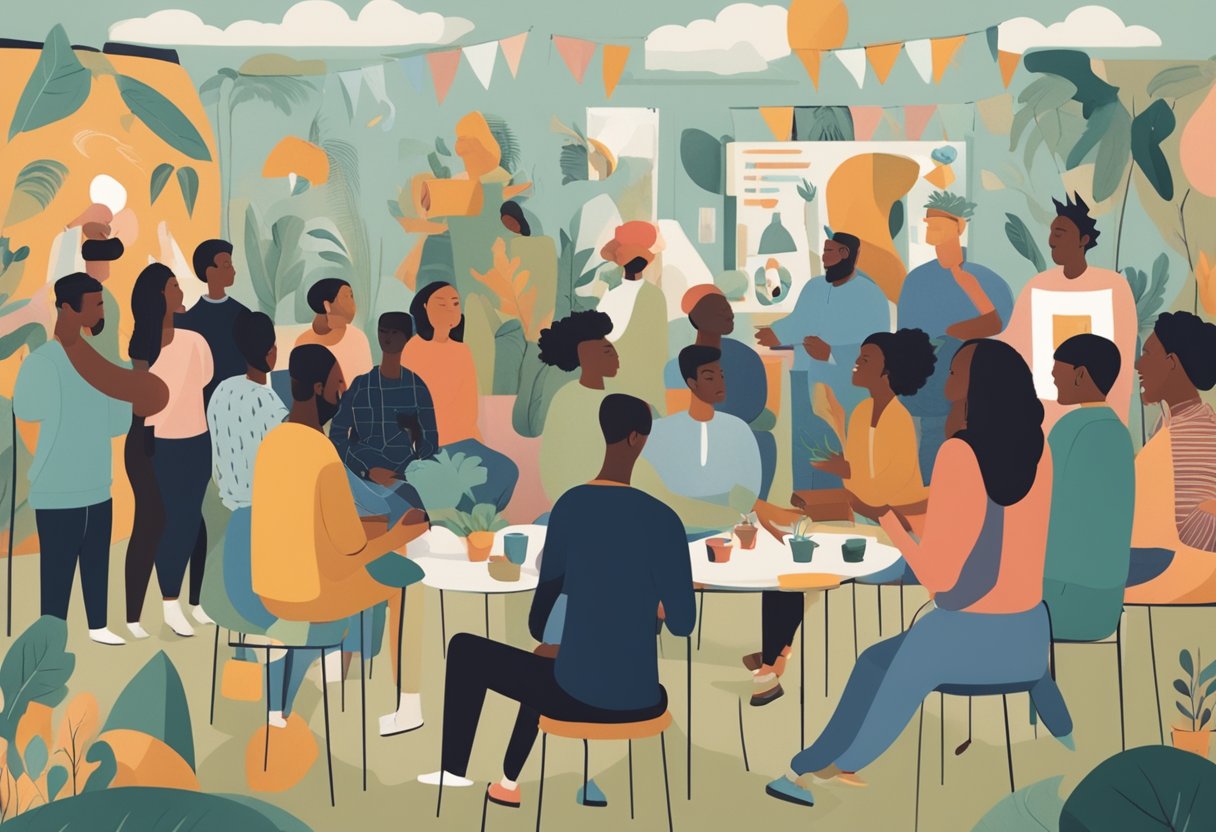
Finding a community and reliable support system can make a huge difference in our journey through cancer recovery. These subtopics will highlight ways to connect with others and seek encouragement.
The Importance of Cancer Support Groups
Cancer support groups provide emotional and practical support. Men facing cancer can share their experiences, fears, and hopes with others who understand. Support meetings offer a safe space to communicate openly.
Family, friends, and caregivers often join these groups, adding diverse perspectives. Participating in these sessions can help us feel less isolated and more connected.
Resources provided by these groups can include educational materials, emotional support techniques, and even financial advice.
Regular attendance helps build relationships, paving the way for lasting friendships. These new connections become pillars of strength during challenging times.
Leveraging Social Networks for Encouragement
Social networks are powerful tools for finding encouragement. Online communities and forums connect us with others experiencing similar struggles. We can share our stories, ask for advice, and support others.
Social platforms and dedicated cancer forums can be accessed from the comfort of our homes. This flexibility is valuable when dealing with health constraints.
Family and friends can also provide digital support through video calls, messages, and social media. Their love and encouragement can lift our spirits and keep us focused on healing.
These digital interactions complement in-person support, forming a robust network around us. Together, these resources create a comprehensive support system for our journey.
Coping Strategies and Practical Tools

In our journey with cancer, we have found that effective coping strategies and practical tools are essential. Let’s focus on managing stress and improving communication with loved ones.
Stress Management Techniques
One crucial aspect of thriving amid cancer challenges is managing stress.
Engaging in creative activities like painting, drawing, or playing music can significantly reduce stress and improve our spirits. These activities allow us to channel our emotions positively and foster inner peace.
Physical exercise is another effective tool.
Simple activities like walking or yoga can help. They release endorphins, improving mood and fostering a sense of well-being. Deep breathing exercises and meditation can also be beneficial, providing moments of calm and clarity.
Education is a vital tool in managing stress.
Learning about our condition and treatment options empowers us. When we understand what’s happening, it reduces fear and uncertainty.
Effective Communication with Loved Ones
Communication with loved ones is vital during our journey.
Using clear and honest language helps convey our feelings and needs, making our loved ones more supportive and understanding.
Sharing how we feel can be therapeutic.
It lightens emotional burdens and fosters stronger relationships.
Journaling can be an effective tool during times of overwhelming emotions. It helps us process our thoughts before discussing them with others.
Caregivers play a significant role in our journey.
Their encouragement and support are invaluable. We should share specific needs and concerns to guide them in how best to help us.
Incorporating Humor and Playfulness
Integrating humor and playfulness into our daily lives brings joy and lightens the weight of battling cancer. Embracing laughter and engaging in fun, creative activities help improve our well-being.
Laughter as Medicine
We know that laughter has healing properties.
It’s not just about jokes; it boosts our mood and provides a temporary escape from stress.
When we laugh, our bodies release endorphins, natural painkillers, and mood elevators. Engaging with others in humorous conversations or watching a funny movie can lift spirits.
Doctors have noted that patients who laugh regularly often experience less pain and faster recovery.
Smiling can reduce blood pressure and improve cardiovascular health.
Pursuing humor can also strengthen our connection with family and friends, helping us thrive during challenging times.
Creative Activities for Fun and Relaxation
Creative activities like painting, writing, and music can be powerful tools.
They allow us to express feelings that words might not capture. These activities provide a form of release and help us reconnect with our inner selves. Setting aside time for creativity can become a relaxing routine in our day.
Even simple activities like doodling or building with LEGO can be calming.
Engaging in these practices brings a sense of fun and purpose.
It’s essential to find what kindles our joy and make it a regular part of our lives.
These moments of creativity offer both mental relaxation and a sense of accomplishment.
Perspectives on Longevity and Quality of Life
Longevity and quality of life are two significant goals for male cancer survivors. They find purpose and fulfillment through creative outlets and embark on recovery and personal growth journeys.
Embracing Life after Cancer Treatment
After surviving cancer, we often experience a renewed sense of gratitude and honor for life.
Creative activities like painting, writing, or music provide therapeutic benefits.
For instance, painting can reduce stress and help express emotions that might be hard to articulate.
Writing in a journal allows us to reflect on our journey and track our progress, promoting mental clarity and emotional well-being.
Music is a powerful tool for emotional release and mental calm, whether creating or listening.
We also have a unique perspective on the value of time.
Every day becomes an opportunity to embrace activities that nurture our minds and bodies, aiding physical recovery and mental health.
Making health-conscious decisions can also support our pursuit of longevity.
The Pursuit of Purpose and Personal Growth
Finding purpose post-treatment often becomes a pivotal part of our lives.
Many of us turn to creative expression not only as a personal outlet but also to connect with and inspire others.
Engaging in these activities helps us define new goals and rediscover passions.
Creating art, whether through painting or writing, lets us explore our identities and build resilience.
This process of creative expression fosters a sense of achievement and boosts our confidence.
Additionally, sharing these creations with our community can increase social engagement and support networks.
We honor our journey by setting new goals and embracing the pursuit of personal growth.
This might mean learning new skills, volunteering, or mentoring others who face similar challenges.
By embracing this new purpose, we find deeper meaning in our daily lives and foster a positive outlook for the future.
The Debate
In the world of creative expression, there’s a spirited debate about its value and use, especially among men thriving after cancer. Some believe that activities like painting, writing, or music don’t hold much power for recovery.
Proponents argue these outlets help manage emotions and stress.
Creativity can lead to a sense of achievement and relaxation. Engaging in artistic activities can help shift focus away from illness.
Conversely, critics suggest creative outlets may not address deeper psychological needs.
Some men might feel pressured to engage in unfamiliar activities. They raise concerns over whether these methods are effective for everyone.
Common Arguments
For Creative Expression:
- Emotional Release: Art provides a safe space to express feelings.
- Community Support: Joining art groups can combat loneliness.
- Stress Relief: Creating can help reduce stress and anxiety.
Against Creative Expression:
- Practicality: Not all men find art helpful or easy to engage in.
- Accessibility: Costs and availability of supplies can be barriers.
- Effectiveness: Some argue it’s not a substitute for medical treatments.
Final Thoughts
Creative activities have helped many of us in ways we never imagined. Painting can bring peace when words fail, and writing allows us to organize our thoughts.
Music opens the door to express emotions silently.
For men with cancer, these creative outlets are more than hobbies. They are paths to healing. Art and music create moments of joy. Writing turns pain into an expressive narrative.
Sharing our work with others creates connections.
Let’s keep exploring these activities.
Whether it’s picking up a guitar or starting a journal, every step helps.
It’s all about finding what resonates with us individually. Engaging in creative expression strengthens and connects us. -T
Frequently Asked Questions
Creative expression through painting, writing, and music can be deeply healing. This section addresses common questions about how these activities can help male cancer thriver.
How can creative activities benefit men who are surviving cancer?
Creative activities provide an outlet for emotions and stress.
Engaging in art can help change moods, lift us from depression, or help us relax. Music, painting, and sculpture also offer a way to communicate feelings when words fail.
What types of hobbies are best suited for enhancing the well-being of cancer thrivers?
Engaging in hobbies like drawing, playing musical instruments, or crafting can be therapeutic.
Physical activities such as yoga or gardening also boost mental and emotional health. Each activity can provide a different kind of joy and peace.
What character traits typically attract a Cancer man in interpersonal relationships?
Cancer men value loyalty, sensitivity, and compassion in their relationships.
We appreciate a partner who understands our emotional depth and is supportive during difficult times. Empathy and patience go a long way in building a solid connection.
In what ways can you support the emotional health of a Cancer man during his cancer journey?
Be present and offer consistent support.
Listening without judgment and providing a safe space for expressing emotions is invaluable. Encouraging creative outlets can also provide a much-needed escape from the daily stresses of battling cancer.
What are some signs that indicate a Cancer man is developing deeper feelings?
When a Cancer man becomes more open with his emotions and shares personal thoughts, it signifies more profound affection.
He may also show increased interest in spending quality time and try to include you in his life decisions.
What aspects of physical and emotional intimacy are essential to a Cancer man?
Physical touch, like holding hands or hugging, is deeply comforting.
Emotionally, we value heartfelt conversations and mutual understanding.
Trust and loyalty are crucial. Feeling emotionally secure helps us open up more fully in the relationship.
