

A Male Cancer Survivor’s Journey Through Art
Being a cancer survivor often brings challenges that can feel overwhelming. Connecting with emotions through creative expression can be profoundly healing for us men. These activities can provide a much-needed outlet, Whether through painting, drawing, music, or sculpture. Art helps us change our moods and come out of depression.

As men, we might struggle with sharing our feelings. Expressing ourselves creatively makes it less daunting. After surviving lymphoma twice, I found solace in creating art. This journey has shown me the transformative power of creativity.
Engaging in art can alleviate stress and foster a sense of peace.
Many male cancer survivors might not realize the benefits of creative expression. It’s not just about making art but about the healing that comes with it. We must embrace this therapeutic tool to navigate our recovery and emotional well-being.
Key Takeaways
- Creative expression can significantly enhance the emotional well-being of male cancer survivors.
- Engaging in arts like painting or music helps alleviate stress and improve mood.
- Art provides a therapeutic outlet for coping with cancer’s emotional challenges.
Understanding Cancer in Men
Cancer in men can manifest in various forms, each with unique symptoms and treatments. Knowing the types, prevalence, signs, symptoms, diagnosis, and treatment options is key.
Types and Prevalence
Several major types of cancer affect men, including prostate, lung, colon, and lymphoma cancer. Prostate cancer is the most common, often diagnosed in men over 50. Lung cancer is frequently linked to smoking.
Meanwhile, colon cancer tends to occur in older men but can also be seen in younger ones. Lastly, lymphoma involves the lymphatic system, with two primary forms: Hodgkin and non-Hodgkin. Awareness of types and frequency assists in early detection and treatment.
Signs and Symptoms
Recognizing early signs and symptoms can lead to prompt medical attention. Common symptoms include unusual lumps, unexplained weight loss, and persistent fatigue.
Prostate cancer symptoms may involve difficulty urinating or blood in urine. Meanwhile, lung cancer often presents with a chronic cough and chest pain. Colon cancer manifests as changes in bowel habits and blood in stool. Lastly, lymphoma symptoms might include swollen lymph nodes, night sweats, and fever. Understanding these warning signs encourages timely doctor visits.
Diagnosis and Treatment
Diagnosis involves several tests, including blood tests, imaging scans, and biopsies. Early and accurate diagnosis is vital for effective treatment.
Treatment varies depending on cancer type and stage. Surgery aims to remove tumors in localized cancer. Meanwhile, chemotherapy uses drugs to kill cancer cells, though side effects can be challenging. Lastly, radiation therapy targets specific areas to shrink tumors.
Newer treatments, such as immunotherapy, harness the body’s immune system to fight cancer. Personalized treatment plans enhance survival rates. Striving for awareness and advancements in diagnosis and treatment provides hope to all of us battling cancer.
The Healing Power of Creative Expression
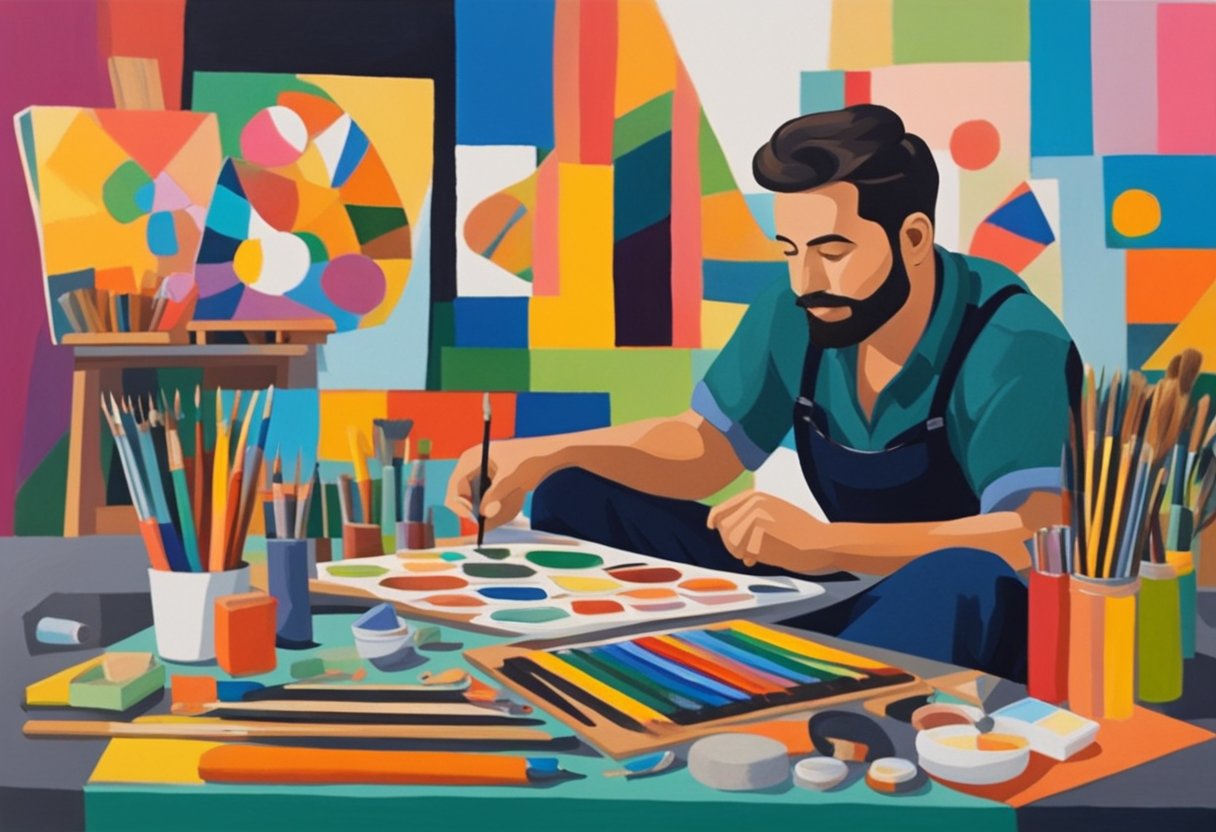
Engaging in creative activities like writing, painting, or music can be therapeutic and enhance emotional well-being. As cancer survivors, we find solace and strength in these creative outlets, which help us navigate emotional challenges.
Art and Recovery
Art has been a beacon in my recovery journey. Creating paintings or drawings allows us to express feelings that might be difficult to put into words. This process can be incredibly healing.
Art therapy sessions help us process our experiences with illness. The act of creating art offers a distraction from pain and provides a sense of achievement.
We can convey our stories and emotions visually, which fosters self-expression and can lead to profound emotional healing.
Studies show that engaging in artistic activities can reduce anxiety and depression. We can find a platform to channel our emotions through painting, sketching, or sculpting, making art a valuable component in our recovery toolkit.
Writing as a Therapeutic Tool
Writing has been another powerful tool in our healing process. By jotting down thoughts, emotions, and experiences, we can understand and process what we’ve been through.
Keeping a journal or writing poetry offers a structured way to reflect on our journey.
Writing allows us to voice our innermost thoughts safely. Writing poems or stories can also bring to light emotions we may not have realized were affecting us. Engaging in this form of creative expression can be liberating but also serves as a therapy, working through unresolved issues.
In therapy groups, sharing written pieces enhances connection with others facing similar struggles. This exchange can be empowering and foster deeper interpersonal bonds, aiding in our collective healing journey.
Music and Dance
Music and dance have played crucial roles in lifting our spirits. Listening to music can evoke powerful emotions and provide comfort.
Singing or playing an instrument helps us release suppressed feelings and encourages emotional resilience.
Music therapy sessions focus on reducing stress and improving mood. The rhythm and melodies provide an outlet for self-expression and help us reconnect with our emotions.
Participating in group music activities or drumming circles creates a supportive community and enhances social connections.
Dance, too, allows us to express what we might not be able to say. Moving our bodies to music can release tension and create a sense of freedom. Dance therapy offers a way to heal physically and emotionally, combining movement with the rhythm of life.
Psychosocial Impact of Cancer on Survivors
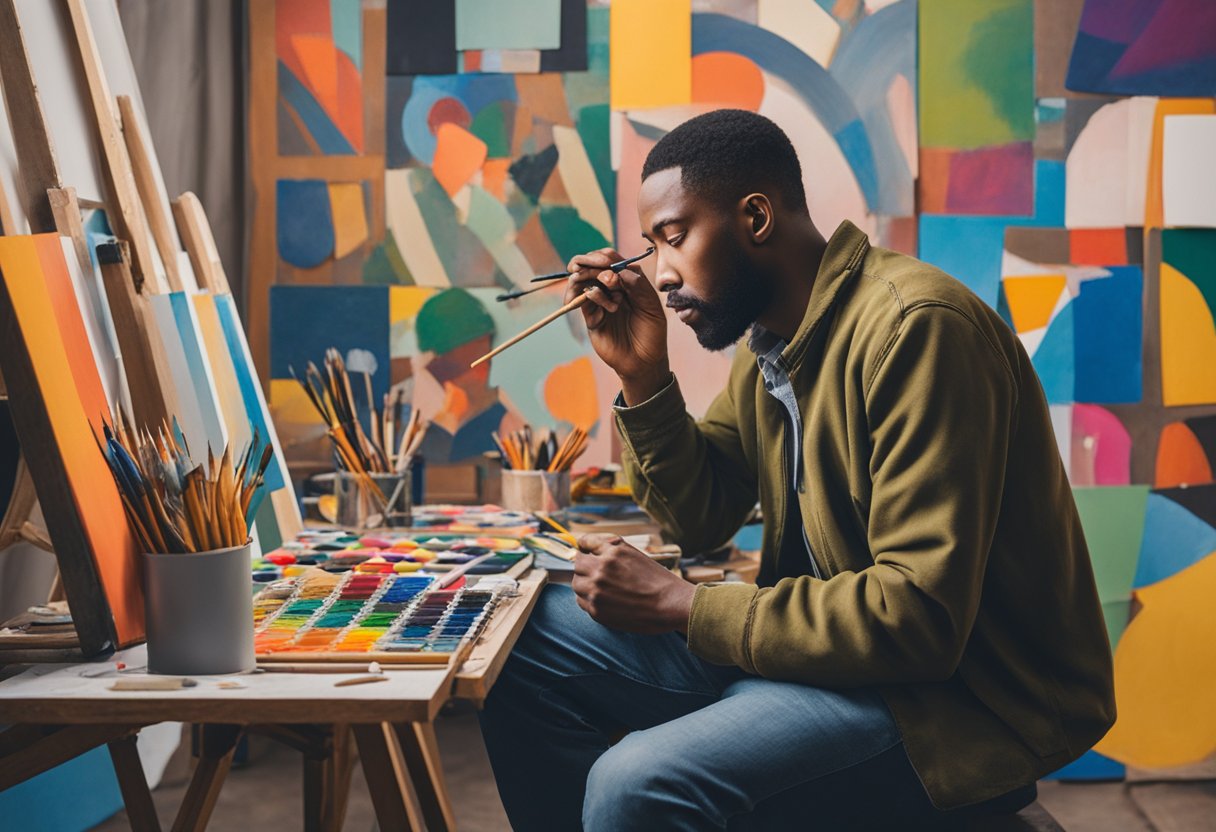
Cancer affects not just the body but also the mind and psyche. For male survivors, the journey involves confronting significant changes in mental health, emotional well-being, body image, and self-esteem.
Mental Health and Emotional Well-Being
For us male cancer survivors, dealing with mental health challenges is common. Many of us felt anxiety and depression during and after treatment. The emotional rollercoaster can be overwhelming. Creative activities like writing, painting, or music help us process our emotions.
Support from family and friends plays a crucial role. Therapy and peer support groups can also enhance our quality of life.
These support systems allow us to share experiences, easing feelings of isolation.
Taking part in physical activities, such as sports, helped us regain control. Activities like yoga and meditation also provide relaxation. These practices not only improve mental health but also strengthen our emotional resilience.
Body Image and Self-Esteem
Coping with body image changes is challenging. Treatments often leave visible scars or cause hair loss. This can disrupt our self-esteem. Accepting these changes takes time and effort.
For many, reconnecting with their sense of self involves creative expression.
Body image issues can impact relationships. Open communication with partners about these feelings is essential.
Participating in support groups with fellow survivors discussing body changes can be therapeutic.
Building self-esteem through self-advocacy is also vital. We learn to prioritize our needs and set boundaries. Engaging in physical fitness and grooming routines can help rebuild confidence, enhancing our self-image and overall well-being.
Creative Writing and Storytelling
Creative writing allows us to explore our emotions and share our experiences. This can become a vital tool for male cancer survivors in our healing journey.
Crafting Your Survivor Story
Our survivor story is unique. Writing it down helps us gain control over our narrative. This isn’t about dramatizing the event but about expressing our real feelings.
We might start by listing key events: diagnosis, treatments, and moments of struggle or victory.
We then flesh out these events by describing our thoughts and emotions. It’s about more than just facts—it’s about our journey.
We can include how we felt when we first heard the diagnosis or how we coped through treatments.
Crafting this story also means reflecting on what we’ve learned about ourselves. Writing from the heart creates an honest and relatable account that can be powerful for others to read.
Benefits of Sharing Personal Accounts
Sharing our personal stories offers therapeutic benefits. It can reduce anxiety and boost self-understanding.
When we put our experiences into words, it helps us process our journey. Our narratives can also inspire and comfort others going through similar challenges.
By expressing our feelings through storytelling, we connect deeply with others.
It allows us to feel less isolated, knowing our experiences might help someone else. This sharing turns a personal battle into a collective source of strength.
Additionally, sharing our stories with medical professionals improves communication. They gain deeper insights into our mental and emotional states, leading to better care. In sum, storytelling bolsters our well-being and enhances connection.
Writing these narratives can change how we see ourselves, making our struggles a testament to resilience.
Visual Art as a Form of Therapy
Engaging in activities such as painting, drawing, and photography can help us, as male cancer survivors, find peace and express our emotions. These forms of visual creative expression can aid in processing our experiences and promote healing.
Painting and Drawing
Painting and drawing offer a powerful way to express our feelings and thoughts. We can create images that reflect our inner struggles and joys using colors and lines. This process lets us let go of stress and focus on the present moment.
Engaging in painting and drawing helps us to share our journey visually. This can lead to a deeper self-awareness and a sense of accomplishment. We don’t need to be professional artists to benefit from this form of art therapy.
Every stroke on the canvas or paper is a step towards healing.
Photography and Videography
Photography and videography capture moments that words often cannot describe. Taking pictures or recording videos allows us to document and view our journey differently. This can be a powerful way to feel seen and respected for our experiences.
These visual art forms can help us connect with others who understand our journey. Sharing our photos and videos can foster a community of support.
Through this lens, we can communicate our emotions and challenges without speaking. This enables us to express our creative side while also finding solace in seeing our progress and strength.
Building a Supportive Community
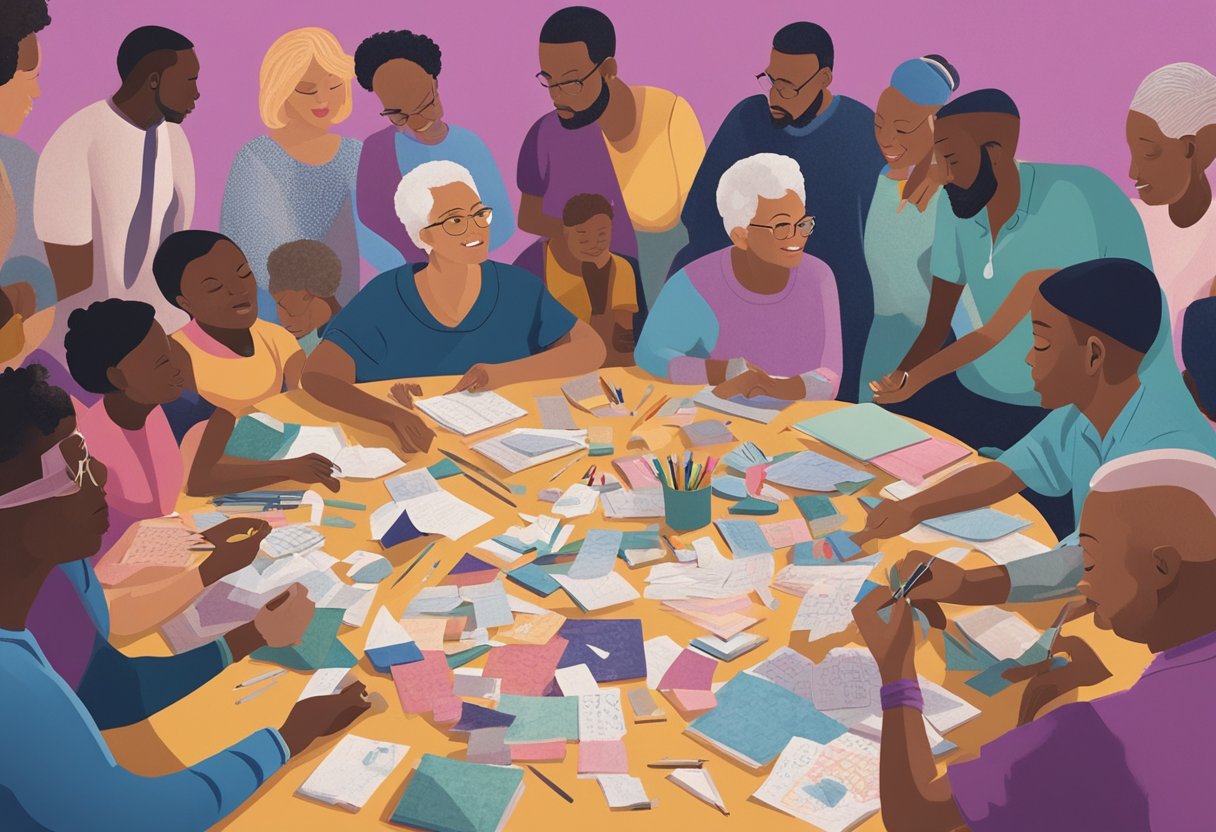
Building a supportive community helps cancer survivors navigate their journey by connecting with others and giving back through advocacy. We can create meaningful relationships and find strength in unity.
Connecting with Other Survivors
Connecting with other cancer survivors can be a game-changer. These relationships offer peer support, understanding, and empathy that only those who have been through similar experiences can provide.
Local support groups enable face-to-face interaction, creating a more personal connection.
Engaging in online forums and social media groups expands our network, making connecting with others who share our journey easier.
We can share our stories, provide emotional support, and exchange practical advice through these connections.
Creative expression, like writing or painting, can be shared among peers to foster a deeper bond. These shared experiences help lessen feelings of isolation and build lasting friendships.
Giving Back and Advocacy
Giving back to the community enriches our lives and helps others facing similar challenges. By participating in advocacy, we can raise awareness about male cancer issues and push for better resources and treatments.
Volunteer opportunities abound, from speaking at events to supporting new support group members.
Participating in charity runs, fundraisers, and awareness campaigns also offers ways to contribute.
Creative outlets, like art therapy workshops or music therapy sessions, can be organized to help others find healing through expression.
Becoming an advocate empowers us and creates a ripple effect, inspiring others to join in and fight for the cause. Giving back strengthens the community and leaves a legacy of support, hope, and resilience.
Resources for Continued Growth and Healing

Engaging in creative activities enhances emotional well-being and aids the healing process. Below are some valuable resources to support male cancer survivors in their journey.
Educational Materials
Educational materials provide a solid foundation for understanding how creative expression aids healing.
Various books and research papers delve into the benefits of creativity for mental health.
For example, books like The Art Therapy Sourcebook offer insights into different artistic mediums and their therapeutic benefits.
Online platforms often host research articles and interactive educational content.
Websites like the Stanford Cancer Center have dedicated sections on creative expression and quality of life.
Male survivors can access these resources to learn how to effectively incorporate arts into their healing process.
Additionally, many psychosocial interventions focus on creative methods, offering structured content that helps manage emotions and stress.
Workshops and Events
Workshops and events provide hands-on experience and a sense of community.
Many organizations host events where survivors can engage in creative activities like painting, music, and sculpture.
These events provide practical skills and create opportunities to connect with others on a similar journey.
Local community centers and hospitals often organize such workshops.
For instance, attending an art therapy workshop can be a transformative experience.
Being in the flow of creating something can significantly improve one’s mood and provide a sense of accomplishment.
Additionally, many platforms offer virtual workshops where participants can join from home, making these resources accessible regardless of location.
Participating in these activities creates a more robust support network and enhances our healing experience.
Final Thoughts
Creative expression can play a significant role in our healing journey. Whether we choose writing, painting, or music, these activities allow us to process our emotions powerfully.
After surviving lymphoma twice, I found solace in creative activities. Engaging with art helped me hold on to my core self while facing treatment demands.
For us men, it’s sometimes hard to communicate emotions. Creative outlets provide a unique way to express feelings we might struggle to discuss openly.
Benefits of Creative Expression:
- Improved Emotional Well-being: Creating art helps us cope with anxiety and depression.
- Connection to Others: Sharing our work can foster community and support.
- Sense of Accomplishment: Completing a project boosts our confidence.
If you’re not sure where to start, consider the following activities:
- Journaling
- Drawing or Painting
- Playing an Instrument
In our shared experience, creative expression is not just a hobby. It’s a part of our healing process. Let’s embrace it as a tool for resilience.
By supporting each other, we can transform our journey through cancer into a path filled with strength, hope, and creativity. -T
Frequently Asked Questions
Creative expression can greatly benefit male cancer survivors by providing emotional relief and fostering a sense of community.
What are some inspiring creative outlets for male cancer survivors?
Some tremendous creative outlets include writing, painting, and creating music. These activities allow us to express our emotions and experiences. Engaging in sculpture or woodworking can also be very satisfying and therapeutic.
How can artistic expression benefit men who have survived cancer?
Artistic expression helps reduce stress, manage anxiety, and alleviate feelings of depression.
By immersing in creative activities, we can shift our minds from worry to a sense of accomplishment and peace, which is crucial in healing.
What are respectful and encouraging phrases when speaking with a cancer survivor?
We can say, “You inspire me with your strength,” “I’m here for you,” or “Your journey is incredible.”
These phrases acknowledge their struggle and resilience without making them feel uncomfortable or pitied.
What are effective communication strategies when writing to someone who has overcome cancer?
Personalize your message with shared memories or specific encouragement. Be honest and heartfelt.
Practical help can also be very comforting, such as, “I can help with grocery shopping if you need it.”
How can creative expression assist in the healing process for male cancer survivors?
Engaging in creative activities promotes emotional recovery. Creating art or music allows us to process and express complex feelings, leading to mental clarity and relief. It fosters an environment of healing and growth.
What are common emotions experienced by male cancer survivors, and how can they express them creatively?
We often experience fear, sadness, and hope.
Drawing or painting can capture the essence of these emotions visually.
Writing poetry or music can also be a powerful way to articulate our inner experiences.
It gives shape to feelings that are hard to verbalize.
