

Overcoming Adversity with Resilience

As we face the uncertainty of a cancer diagnosis, the prospect of mortality can be daunting. We confront many complex emotions—fear, determination, hope—all while grappling with the practicalities of treatment and the challenge of living with this new normal.
The experience is deeply personal, yet it also unites us, binding those who’ve walked this path into a community forged by shared struggle and resilience.
For men who have battled cancer, there’s a unique set of challenges, but in that lies an exceptional strength, too; we find courage not in the absence of fear but in our resolve to face it head-on.
Navigating the cancer journey requires a balance of vigilance and optimism. The end of treatment marks a beginning, not a finale, where survivorship means more than enduring—it means thriving. Our collective experience teaches us to cherish each day and embrace the support networks that bolster our journey.
These networks aren’t simply a lifeline and testament to the compassion that thrives amidst adversity. Together, we can transform our fear of recurrence into a blueprint for living fully, with every challenge met with unwavering courage and a proactive stance.
Key Takeaways
- Cancer unites us in a shared journey of resilience and determination.
- Survivorship redefines living, emphasizing thriving over simply enduring.
- Support networks become our foundation for transforming fear into a proactive approach to life.
Understanding Cancer and Mortality

When we reflect on our journey with cancer, especially after surviving lymphoma, clarity emerges on how intimately connected our lives are with the unpredictable nature of health. Cancer, a diverse group of diseases characterized by abnormal cell growth, poses challenges far beyond the physical. It tests our mental fortitude, introducing levels of fear, anxiety, and uncertainty that can overshadow the luminosity of life itself.
Mortality, or the acknowledgment of life’s impermanence, becomes stark. In these moments, fear may seem overwhelming as survival odds and treatment outcomes preoccupy our minds. We men, often stoic, might struggle to express this trepidation, yet find solace in shared experiences with others navigating these turbulent waters.
Confronting cancer, we don’t just combat cells gone awry; we grapple with profound questions about our existence. Uncertainty hovers, dense and unyielding, challenging us to find inner resilience. This asks us to recalibrate life’s metrics, emphasizing quality over length, where a day spent with loved ones holds more value than any statistic.
We hold tight to courage as a shield against anxiety—a byproduct of the unknowns cancer brings. Treatments may progress, and remissions may occur, but recurrence lurks. Harnessing our communal strength, we push forward, determined to defy the odds, using sports as metaphors for our battles and wins.
Our focus transcends survival; it’s a pledge to thrive. We build networks, share strategies, and foster a fellowship of survivorship with a playbook derived from lived truths. Together, we stand united, resilient against a shared adversary, facing each day with a resolve as unwavering as the ground beneath us.
Courage in the Face of Cancer
When we face cancer, we grapple with a spectrum of emotions, from profound fear to cautious optimism. Our journey with lymphoma, not once but twice, lends us a perspective anchored in reality. We understand the nights steeped in angst, where the mind races and the heart fears the uncertain road ahead. Yet, in these moments, we find an innate resilience, a courage that allows us to rise each morning and continue our fight.
Our Shared Experiences:
- Fear: It claws at our minds, threatening to overshadow our determination.
- Courage: We discover strength, often surprising ourselves, to confront each challenge.
- Acceptance: With time, we recognize our situation, allowing us a clearer vision for the path forward.
- Anger: It flares, a natural response to a harsh twist of fate.
- Joy: Amid the struggles, we encounter profound happiness and gratitude moments.
- Hope: It flickers, a gentle but persistent flame that fuels our perseverance.
- Optimism: We dare to look ahead, envisioning better days beyond the current struggle.
Bearing this in mind, we stand with our fellow men navigating this path, aware of our unique challenges. Each step is a testament to the human spirit; perseverance becomes our mantra. We offer strategies to manage the fight against cancer, from medical options to lifestyle changes, always aiming to bolster our collective well-being.
Through shared stories and support, we build a community. Here, we find solace in shared understanding and gather the fortitude to face our fears. Embracing the highs and lows, we move toward a future where our courage outshines our worries, and our shared hope and optimism become the cornerstones of survival.
Navigating Cancer Treatments
Navigating cancer treatments requires us to face a complex journey. Each path is unique, yet we share common challenges and victories. Treatment options vary widely; they may include surgery, chemotherapy, radiation, or novel techniques like immunotherapy.
When we begin our treatment, we often grapple with a range of side effects. These can range from fatigue to more severe reactions, and managing these becomes a part of our daily routine. We must stay in close communication with our medical team, ensuring that all monitoring is accurate and responsive to our body’s reactions to treatment.
Counseling becomes a pillar of support, helping us to shoulder the emotional weight of our journey. In therapy, we find a safe space to express our fears and learn strategies to maintain our mental well-being. We also connect with fellow survivors, creating a community of support that understands our struggle.
Healthcare professionals often advise regular exercise, which can improve our physical function and alleviate some treatment-related side effects. Let’s embrace activities like swimming or walking as they are gentle on our bodies and provide us an outlet for stress.
Here is a quick guide to the treatment process:
- Consultation: Detailed dialogue with our oncologist to choose the best treatment plan
- Preparation: Understanding the procedure, potential side effects, and support systems
- Execution: Undergoing treatment as prescribed, with regular health assessments
- Aftercare: Post-treatment recovery activities and counseling for long-term wellness
Always remember, we’re in this together, supporting each other every step of the way.
Survivorship: Embracing Life After Treatment
We’ve faced the trials of lymphoma, not once but twice, and emerged, lessons in hand, ready to share. Survivorship holds a new meaning now—it’s not merely living; it’s thriving beyond our past struggles. The end of cancer treatment marks the start of a fresh chapter, where our narrative changes from fighting disease to fostering our well-being.
Quality of Life: We prioritize our health, recognizing that a balanced diet, regular exercise, and sufficient rest form the tripod, stabilizing our newfound vitality. We encourage each other to find joy in activities, whether a weekend hike or an evening walk, mindful that movement lights our path to recovery.
Lifestyle Adjustments: Post-cancer life often demands changes, but these are steps to a more resilient us. We seek hobbies that entertain and connect us to others and ourselves.
Workplace Integration: Returning to work can pose challenges, but we do so with tenacity, negotiating support or modifications from our employers when needed. We advocate for ourselves, ensuring we remain productive workforce members without compromising our health.
Support Networks: We build robust support systems, joining survivor groups where shared experiences are a wellspring of strength. Interacting with fellow survivors, especially men on similar journeys, bolsters our resolve.
Embracing life after treatment means acknowledging our journey, the fears we’ve conquered, and the future we craft daily. We’ve turned a page, and now, together, we write a narrative of courage, support, and unwavering hope.
Coping with Emotions and Mental Health

As we navigate the uncharted waters of cancer survivorship, we must acknowledge the emotional tsunami that often follows the word’ cancer.’ We grow aware of our mortality, and it is natural to experience a tide of emotions: fear, anxiety, and even depression. These feelings do not signal weakness; they signify our humanity.
Mental Health – A Group Experience
Indeed, our mental health can falter under the weight of loneliness and distress. We must act as a team; companionship can counteract feelings of isolation. Reaching out to fellow survivors, support groups, and healthcare providers creates a network, a safety net of understanding.
Manifesting Courage – Strategies
- Recognize Feelings: Acknowledge every emotion.
- Exercise: Channel energy into physical activity for mental clarity.
- Mindfulness: Stay in the present, mitigating undue worry about the future.
When fear grips our hearts, we turn to tested tactics for relief. Techniques like cognitive behavioral therapy and mindfulness-based stress reduction offer solid footing. Whether finding peace or forging bonds, each success reinforces our courage.
We once feared cancer would define us, but we now stand together, a band of brothers—kings of our fate, unwavering in the face of our adversary. We share our stories not as a badge of hardship but as a testament to survival, thriving amidst the challenge, and facing fear with resilience. Together, we conquer each day for us, for those we cherish, and for the fellowship we forge along this journey.
Facing and Overcoming the Fear of Recurrence

We know the journey through cancer survival does not end with the last treatment. For us, the shadow of recurrence often looms as a weighty concern that can influence our daily lives and well-being. This fear, commonly called fear of recurrence, is a normal response, but it need not define us.
To tackle this fear, we adopt practical strategies. First, stay informed. Understanding the actual risk equips us to confront our concerns with facts, reducing the room for uncertainty. Routine monitoring for late effects becomes a crucial part of our lives, transforming apprehension into proactive health management.
Scanxiety, the anxiety leading up to scans, is real. We counter it with routine, grounding ourselves in familiarity before and after scans. Practicing mindfulness or focusing on hobbies diverts our attention, ushering in a sense of calm.
| Technique | Benefit |
|---|---|
| Peer Support Groups | Share experiences and gain strength from others |
| Professional Counseling | Address mental challenges with expert guidance |
| Physical Activity | Build resilience through exercise |
We engage in regular physical activity, strengthening our bodies and boosting our moods. Anecdotal evidence among us points to the camaraderie and uplift of team sports, bringing us back into the fold of life vigor.
Together, we face our fear of recurrence. We take control where we can, support each other in our community, and celebrate every victory, big or small. This shared resolve unites us, turning individual struggles into collective triumphs.
Community and Support Systems
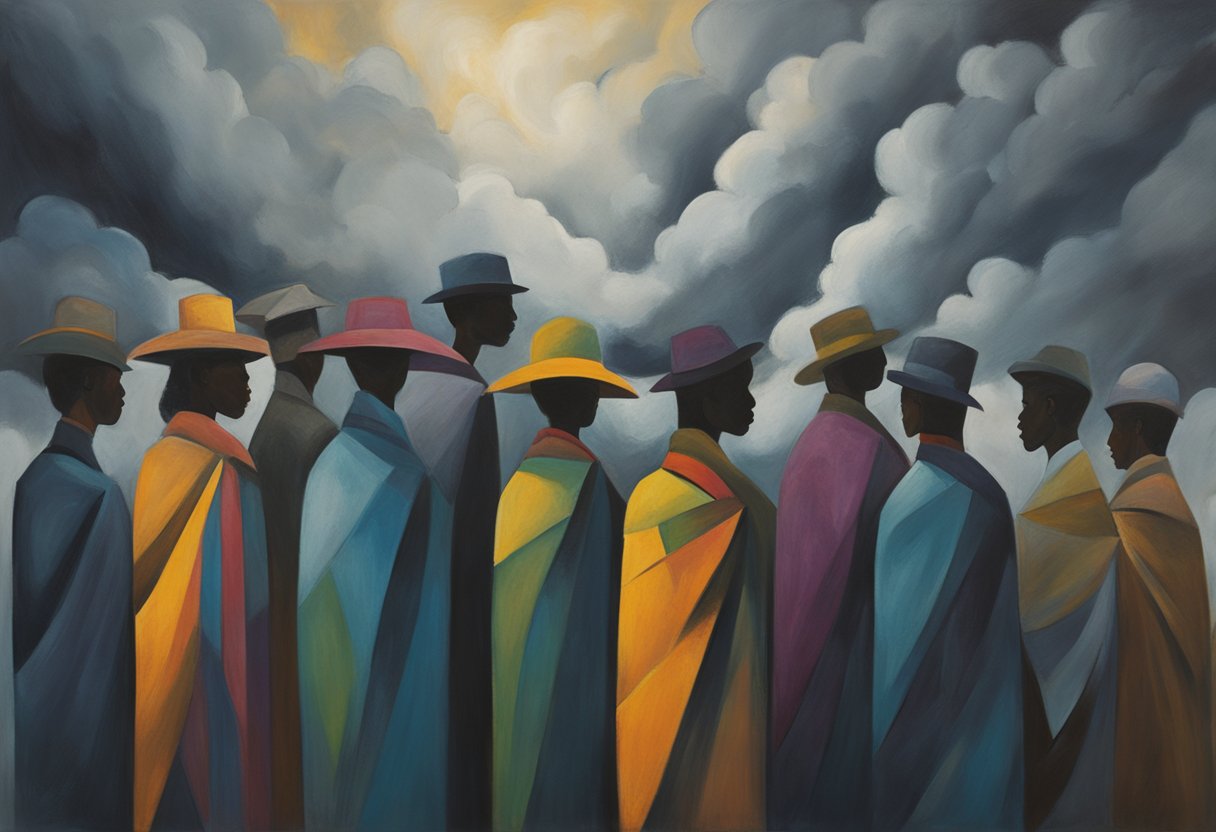
Surviving lymphoma twice taught us the invaluable role of community and support systems. We grasp the challenges men face after diagnosis, and it is through mutual support that we find the courage to forge ahead.
Support groups furnish a space where we share our journey, understand we’re not alone, and exchange practical advice. Engaging with peers bolsters our quality of life and nurtures hope, realizing survival is a collective success. Here are the elements of a strong support system:
- Cancer Survivors: We lean on each other’s stories of resilience, finding solace in shared experiences.
- Coping Strategies: We discover diverse ways to manage the physical and emotional toll of cancer, tailoring them to fit our unique needs as men.
- Hope: We draw inspiration from the victories, big or small, within our community.
Here’s a glimpse at how we engage with our support systems:
| Activity | Purpose | Frequency |
|---|---|---|
| Group meetings | Share updates, provide comfort | Weekly |
| Sport activities | Build strength, camaraderie | Monthly |
| One-on-one sessions | Personalized guidance | As needed |
| Educational seminars | Stay informed on new treatments | Quarterly |
These pillars uphold our spirit and amplify our courage to face each day with determination. As survivors, we pass the ball of knowledge and solidarity so no one faces this match alone. Through this game plan, we continue to strive, thrive, and help others survive.
Final Thoughts…

Surviving lymphoma not once but twice, we embody resilience and hope. Together, we’ve weathered the storm of uncertainty and emerged with a bond forged in the relentless pursuit of healing and growth. As brothers in arms against our common adversary, we’ve learned that courage is not the absence of fear but the triumph over it.
Our journey shapes a blueprint for facing adversity with determination. Cancer, a word that once signified an end, now marks a new beginning — a chance to embrace each day with gratitude and purpose. We rally around the goal of thriving, not merely surviving, showing fellow warriors that life can bloom post-diagnosis.
In shared struggle, we discover strength. Each story of triumph ignites the spirit and fuels the will to press on. In the gym, on the field, our collective sweat speaks of a more profound healing, physical and emotional. Here we find solace, camaraderie, a shared rhythm that echoes our heartbeat for life.
Let us always remember: we are more than a statistic, more than a patient. We are survivors, mentors, friends — champions in the truest sense. Let’s lace up, step out, and face each day with the courage we’ve earned and the unwavering support we provide one another. Together, we stand tall, a testament to the indomitable human spirit. -T
Frequently Asked Questions
Cancer journeys are unique, yet we often share common concerns and experiences. Here, we address some pressing questions related to the reality of living and coping with cancer.
What are effective strategies to cope with the fear of death as a cancer patient?
We find strength through various tactics, such as seeking support from other cancer survivors who understand our struggles or expressive activities like writing or art that offer a release for our emotions. Setting short-term, achievable goals can also provide us a sense of control against the uncertainty.
How can one mentally prepare to combat cancer?
Preparation starts with gathering knowledge about our diagnosis and treatment options, which brings clarity and reduces the fear of the unknown. We also practice positive visualization techniques and build a support team that includes medical professionals and loved ones who stand by us.
What are the most common challenges faced during cancer survivorship?
After treatment, we may face a range of emotional and physical challenges, such as dealing with fatigue and pain and adapting to a new daily routine. Tracking our recovery progress and attending follow-up appointments are crucial to managing these challenges.
How can cancer survivors deal with the anxiety of potential recurrence?
We remain vigilant about our health and stay informed about symptoms of recurrence. Regular check-ups and creating a health plan with our physicians can alleviate some of this anxiety. Additionally, counseling or support groups offer solace and understanding from those who share these concerns.
How does surviving cancer impact one’s perspective on life and mortality?
Surviving cancer often leads us to reflect deeply on our lives, making us more appreciative of our time and the relationships we cherish. This experience can lead to a renewed sense of purpose and a desire to embrace each moment with more presence and gratitude.
What can friends and family say to support someone who is fighting cancer?
Offering consistent, sincere encouragement is key. We appreciate when our loved ones remind us of our strength and resilience. Talking about our favorite sports or engaging in light-hearted activities together can also be a great way to lift our spirits and provide a sense of normalcy.
