

Thriving Beyond Cancer with Healthy Habits

Balancing work and personal life is a challenge we all face, but for those of us who are cancer thrivers, the hurdle can be even more significant.
After surviving lymphoma twice, we’ve learned that fatigue isn’t just a fleeting inconvenience; it’s a persistent barrier that threatens to disrupt our daily routines.
We aren’t just up against a grueling workday; we’re also battling a deep-seated weariness that can make even simple tasks seem impossible.
Despite these challenges, we’ve discovered strategies to navigate this delicate balance, ensuring we can excel in our careers without sacrificing the recuperative time our bodies demand.
Within our community, we prioritize well-being and the pursuit of an active lifestyle that integrates regular exercise, a powerful antidote to fatigue.
A walk can be as rejuvenating for the mind as it is for the body. Setting aside time for recreational sports offers the dual benefit of strengthening physical health and providing a much-needed mental break.
As we collectively embark on our cancer treatment and recovery journey, embracing a comprehensive support system proves to be a vital resource.
Whether it’s through family, friends, healthcare providers, or fellow survivors, this support network plays an essential role in nurturing both our emotional and physical resilience, paving the way for a quality of life that thrives beyond cancer.
Key Takeaways
- Weave exercise and recreation into daily life to combat fatigue.
- Embrace a robust support network for physical and emotional strength.
- Prioritize personal well-being alongside professional responsibilities.
Overview of Fatigue in Cancer Thrivers
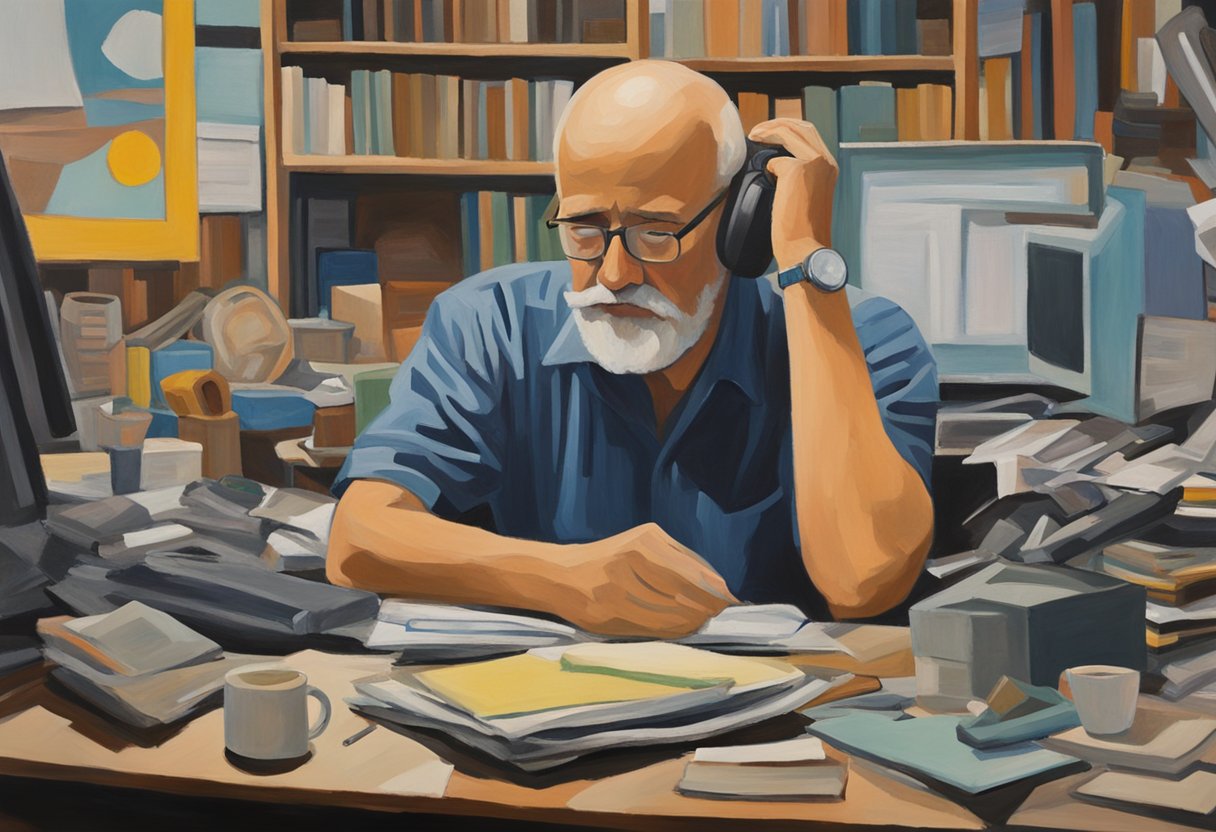
As cancer thrivers, we often grapple with persistent fatigue that challenges our daily functioning and quality of life. Let’s explore what this means for us and how prevalent this condition is in our community.
Understanding Fatigue
In our context, fatigue is more than just feeling tired. It’s a profound exhaustion that doesn’t improve with rest and can significantly hinder our work-life balance.
From personal experience, after triumphing over lymphoma twice, the tiredness felt is unlike any ordinary weariness. It’s a deep, bone-weary drain that can invade every aspect of our lives. It’s a constant battle against drowsiness that seems to resist the most spirited attempts to shake it off.
- Characteristics of Cancer-Related Fatigue:
- Persistent over time
- Disproportionate to activity levels
- Profound impact on daily activities
For us men facing this challenge, acknowledging our fatigue is the first step to tackling it. We’ve fought hard against cancer; now, we regroup and strategize against this insidious sidekick.
Prevalence and Impact
Fatigue among thrivers isn’t rare. Studies show that fatigue can affect 25-99% of us during treatment.
Even post-treatment, fatigue can linger like a shadow, impacting our work, passions, and interactions.
- Prevalence Data:
- It affects the majority of cancer survivors to varying degrees
- Can persist well beyond treatment completion
What does this mean for our quality of life? It means fatigue can be a barrier to enjoying the hard-won victories of our survivorship. Even simple tasks can feel Herculean, and maintaining a sense of normalcy becomes a feat. But we remember, everyone is a trooper—tired but undeterred. We find strength in solidarity, gathering insights and sharing tactics that help us regain control over our lives and vitality.
Work-Life Balance Challenges

As cancer thrivers, we often grapple with maintaining a delicate equilibrium between our professional responsibilities and our well-being. Navigating this path requires resilience and agility, especially when facing the persistent shadow of fatigue.
Job Demands and Job Resources
Work Ability: We recognize that our capacity to work fluctuates. We capitalize on our strengths during peak energy moments, but job stress can swiftly deplete our vitality.
It is here that the balance between job demands and job resources becomes critical.
Jobs that constantly require high energy without providing adequate resources, such as flexible hours or meaningful tasks, can jeopardize our work-life balance and exacerbate fatigue.
Workplace Support: Support from our employer and workplace is beneficial and essential.
Through a culture that promotes understanding and practical support mechanisms, we can better manage fatigue while nurturing our work ability.
This includes access to part-time options and job customization, allowing us to tailor our role to align with our current energy levels and capabilities.
Workplace Culture and Support
Supportive Culture: An empathetic workplace culture alleviates considerable stress.
Peers and managers who display compassion and offer moral support create an environment where we feel valued, reducing the mental toll of our work.
Employer Support: Proactive employer support translates into tangible programs and policies that uphold our work-life balance.
This may manifest as wellness programs, which provide resources for managing job stress, or as intervention strategies, specifically developed for men surviving cancer, that acknowledge our unique challenges in balancing treatment with professional obligations.
Physical and Psychological Effects

Amid our journeys as cancer thrivers, we must acknowledge the impact fatigue has on both our bodies and minds. Its reach extends beyond mere tiredness, profoundly shaping our daily experiences and productivity.
Physical Symptoms of Fatigue
Physical fatigue manifests through a constellation of symptoms ranging from mild to debilitating.
We may notice a persistent weariness that rest does not alleviate, often described as an overwhelming sense of exhaustion. This is not the common tiredness you feel after a long day; it’s a deep, physical energy deficit that can hinder our capacity to perform even simple tasks.
- Muscle Weakness: A tangible decline in our physical strength makes routine actions, such as lifting objects or climbing stairs, unexpectedly challenging.
- Slow Recovery: Our average recovery time from physical exertion lengthens, and the usual bounce-back seems to escape us.
Physical fatigue is a common side effect discussed in the context of cancer-related fatigue, characterized by distressing, persistent tiredness linked to cancer or its treatment.
This fatigue can drastically lower our workplace efficiency, requiring us to find strategies to conserve energy and maintain a semblance of normalcy.
Psychological Impact and Emotional Toll
Psychologically, the burden of fatigue encompasses a broad spectrum of emotional and mental challenges.
- Emotional Strain: Feelings of sadness or frustration arise as we grapple with fatigue’s limitations.
- Stress and Anxiety: The persistent worry about our health and the future can exacerbate feelings of fatigue, creating a cycle that’s hard to break.
- Cognitive Functioning: We may encounter issues with concentration, memory, and decision-making, often called mental fatigue.
This can make professional tasks that require sharp focus seemingly insurmountable.
Cancer-related fatigue exerts a considerable impact on our work life.
Approaching this with a sports-minded focus, we consider regular, moderate exercise a potential means to mitigate some fatigue symptoms. Physical activity has been linked to positive effects in various cancers. However, results have been mixed for conditions like colorectal cancer.
As we navigate these effects, empathy for our fellow men enduring cancer unfolds into actionable support and shared resilience.
Treatment and Rehabilitation Strategies

In navigating the road to recovery, thoughtful attention to treatment and tailoring rehabilitation plans are crucial for restoration and a successful transition back to work.
Managing Symptoms and Side Effects
We know that fatigue can be one of the most draining side effects of cancer treatments like chemotherapy and radiation. Its presence often disrupts our usual pace of life and hampers our capacity to function normally.
To combat this, we’ve found that a balanced blend of rest and physical activity serves us well.
For instance, structured exercise regimens improve our stamina and can play a part in alleviating the persistent tiredness that comes with recovery.
Knowledge from a systematic review of the rehabilitation of individuals with cancer underpins the merit of adaptive equipment and activity-modification strategies to curb the impact of such symptoms.
- Suggested Activities:
- Light aerobic exercise (e.g., brisk walking)
- Resistance training (e.g., using bands or light weights)
- Flexibility exercises (e.g., stretching routines)
Rehabilitation and Return to Work
The journey back to our careers demands a tailored approach.
Rehabilitation programs that address physical and cognitive demands consistent with our job responsibilities ensure we are adequately prepared to meet workplace challenges.
During our recovery, we’ve leveraged expert guidance on exercise and daily living activities to foster independence and enhance our quality of life.
Integrating exercise recommendations into our routine underscores the importance of adhering to standardized, evidence-based interventions.
We also prioritize communication with our employers about our capabilities and limitations, setting realistic expectations for our return.
Such transparency helps to facilitate a supportive work environment and create a reintroduction plan that is feasible and sustainable in the long term.
- Strategies for Workplace Re-entry:
- Discuss necessary accommodations with employers (e.g., flexible hours, ergonomic workstation)
- Gradual phasing into the work schedule
- Utilize rehabilitation services focusing on vocational skills
By taking these steps, we aim to resume work with renewed vigor and ensure that we remain active and engaged in our personal and professional lives.
Cancer Diagnosis and Treatment Journey
The journey from diagnosis to remission is marked by multiple phases, each with unique challenges.
We must navigate the healthcare system effectively and rely on our providers for support and guidance.
Navigating the Healthcare System
We find ourselves thrust into a complex network of specialists and treatments following a cancer diagnosis.
Initially, our general practitioner was the pivotal figure who directed us to the relevant oncologists. These medical professionals become the cornerstones of our journey, offering us the needed treatment paths.
We must proactively understand each step, from diagnostic tests to therapy options, ensuring that our care aligns with our personal and professional lives.
- Diagnosis: A critical step where we engage with various specialists to understand our condition.
- Treatment Options: Here, we discuss available treatments, considering how each aligns with our life goals and responsibilities.
The Role of Healthcare Providers
Support from dedicated healthcare providers is crucial. These individuals offer more than medical assistance; they provide empathy and guidance that bolster our spirits.
Oncologists, nurses, nutritionists, and social workers team up to create integrated treatment plans, addressing not only our physical needs but also the emotional toll of the journey:
- Treatment Execution: Effective alignment of treatment with day-to-day responsibilities.
- Ongoing Support: Keeping us on track, our providers collaborate to maintain equilibrium between our health and work.
In these times, we discover the strength within and amongst us, allowing us to maintain hope and resilience through the toughest challenges.
Support Systems and Resources
Managing fatigue alongside busy work and personal life can be a formidable challenge, especially for us who’ve battled with lymphoma cancer. However, we can forge a path that accommodates our health demands without foregoing professional fulfillment with the right networks and tools.
Social and Emotional Support
Our battles against lymphoma have taught us the undeniable value of robust social support systems.
Engaging with support groups specific to our experiences as men with cancer provides spaces where we can share and learn in a genuinely empathetic environment. These in-person or virtual gatherings allow us to form connections with those who genuinely understand our journey.
Additionally, sustained encouragement from nurses and mental health professionals can ground us, furnishing us with tailored strategies to cope with the emotional rollercoaster that cancer recovery often brings.
Professional and Employment Resources
Navigating the professional world while managing our health can be less intimidating with targeted employment resources.
Resources such as cancer recovery job coaching programs connect us with experts attuned to our unique circumstances, helping us to align our careers with our renewed capacities and interests.
Moreover, companies increasingly recognize that job satisfaction for survivors like us is tightly coupled with work-life balance.
Initiatives that support flexible scheduling, remote work options, and energy-conservation techniques during the workday are becoming more prevalent and can immensely benefit our sustained employment and well-being post-recovery.
Well-being and Quality of Life Maintenance
We recognize the vital role of a balance between rest and activity in maintaining our quality of life, especially after overcoming lymphoma. Our experiences underscore the necessity to harmonize physical health with mental fortitude.
Physical Activity and Rest
Regular exercise boosts our energy levels and aids in managing lingering discomfort.
As survivors, we strive to engage in moderate activities such as walking or swimming, which invigorate us without causing strain.
We also prioritize rest, setting aside time for adequate sleep and relaxation to rejuvenate ourselves and bolster our recovery.
- Exercise: At least 30 minutes of moderate-intensity activity daily.
- Rest: Aim for 7-9 hours of sleep each night.
Mental Health and Resilience
We have learned that nurturing our mental health is as crucial as caring for our physical selves.
Strategies like mindfulness meditation and counseling fortify our psychological resilience, providing us with tools to navigate the challenges of survivorship.
Additionally, tapping into support networks gives us the camaraderie necessary to sustain our well-being.
- Mental Health: Practice mindfulness or seek therapy to enhance emotional strength.
- Resilience: Build support networks for shared strength and encouragement.
Final Thoughts…

Battling lymphoma twice has taught me a profound lesson in resilience and the actual value of a balanced life. We, united by this experience, often face a familiar foe—fatigue—which can cloud our days and dampen our spirits. Yet, we are also the ideals of perseverance, finding solace and strength in our shared journey. -T
Strategies to Conquer Fatigue:
- Exercise: Regular physical activity, such as walking or light sports, boosts our energy levels and improves our mood.
- Nutrition: A diet rich in vegetables, fruits, and lean proteins fuels our bodies for peak performance.
- Rest: Prioritize sleep by establishing a consistent routine.
Work-Life Harmony:
- Delegate: Share responsibilities to avoid overexertion.
- Boundaries: Set clear limits for work hours to ensure time for rest and leisure.
- Community: Engage with fellow survivors who understand.
- Family & Friends: Lean on loved ones for moral support.
Frequently Asked Questions
Thriving after cancer involves a realistic approach to balancing work and personal life while managing energy levels. We’ll explore strategies that have proven effective in this journey.
How can someone managing cancer maintain a balanced work-life schedule?
We can seek flexible work arrangements and communicate our needs clearly with our employer. Short breaks throughout the workday boost our productivity without overtaxing our stamina.
What coping strategies do survivors recommend for handling fatigue during cancer treatment?
We often find relief by pacing our activities, setting achievable goals, and resting before fatigue becomes overwhelming. Support from cancer-related fatigue treatment options is also valuable.
Are there specific lifestyle changes contributing to reducing the risk of cancer recurrence?
Regular physical activity tailored to our abilities and a diet rich in vegetables, fruits, and whole grains improves our overall well-being. These practices can also fortify our body against cancer recurrence.
What are the best practices for energy management in cancer thrivers?
We prioritize tasks, delegate when possible, and respect our body’s signals. Energy-conservation techniques like seated showers and planning daily tasks can give us a sense of control.
How do cancer survivors prioritize their responsibilities while dealing with fatigue?
We identify tasks that require our immediate attention and those that others can handle or wait for. This way, we use our energy reserves on what truly matters.
Which nutritional approaches help manage fatigue for those who have survived cancer?
A balanced diet with lean proteins, complex carbohydrates, and hydrating fluids can reduce symptoms of fatigue. Consultation with a dietitian can tailor a plan to our individual needs.
