

Understanding and Managing Aftercare Emotions

Following cancer treatment, a patient may find themselves grappling with a wave of unexpected emotions. Post-treatment blues, a term often used to encapsulate the feelings of sadness, anxiety, or depression that one might experience after completing a rigorous treatment regimen, are not uncommon among cancer survivors.
Despite the joy of overcoming a significant health battle, many individuals confront the paradox of feeling lower in spirits once the regularity and support of treatment wane.
Cancer survivors may face a challenging adjustment period as they transition from active treatment to survivorship. They often deal with lingering side effects, fears of recurrence, and the reality of returning to what once was everyday life, albeit now profoundly transformed by their experiences.
The myth of uninterrupted joy after cancer can clash with the reality of nuanced emotional landscapes, requiring survivors to navigate a complex path of reconciling relief with recovery.
Key Takeaways
- Post-treatment blues are standard among cancer survivors and include feelings of sadness and anxiety post-treatment.
- The transition from patient to survivor involves complex emotions and adjustment difficulties.
- Support and targeted strategies are essential to manage the psychological and physical aftereffects of cancer treatment.
Understanding Post-Treatment Blues
Post-treatment blues often catch individuals by surprise, stirring a range of unexpected, intense emotions as they transition from active treatment to recovery.
Emotional Aspects of Recovery
As one navigates the emotional terrain of post-cancer treatment, it’s common to encounter a tumultuous mix of relief and stress. Survivors might grapple with a sense of loss, lacking the routine and support systems that the treatment period provided. For many men who have battled lymphoma, it’s a profound shift to leave behind the vigilant care and daily structure of treatment. The abrupt change can lead to feelings of disorientation and melancholy. They must reconcile the joy of survival with a newfound anxiety about the future, questioning their purpose and worth in a life that now seems fraught with uncertainties.
Difference Between Blues and Depression
The line between transient post-treatment blues and full-fledged depression can be fine, yet crucial. Post-treatment blues include intermittent spells of melancholy and anxiety, often fading as one adapts to a new normal. In contrast, depression grips a person’s mood more persistently, casting a shadow over all facets of life and drastically impairing day-to-day function.
While the blues can involve bouts of tearfulness and mood swings, depression is characterized by a more profound and enduring misery. Recognition and intervention become vital if symptoms persist, signaling a need for professional support beyond the camaraderie of the sports teams and peer groups that provide solace to many survivors.
Medical Factors Influencing Post-Treatment Emotions
Post-treatment emotional states are significantly shaped by the types of cancer treatments and their physiological impacts.
Role of Chemotherapy
Chemotherapy, an aggressive form of chemical drug therapy, aims to eradicate cancer cells. The treatment is known for a host of side effects ranging from mild to severe, influencing a patient’s mood and emotional well-being. Fatigue and cognitive changes are common and may contribute to feelings of demoralization in survivors, who sometimes struggle with the contrast between their fighting spirit during treatment and the ensuing physical and psychological toll.
- Chemotherapeutic agents target rapidly dividing cells, but this action does not exclusively affect cancerous cells, leading to system-wide side effects.
- Neuropathy and cognitive changes, sometimes referred to as “chemo brain,” can linger, shaping a survivor’s experience and potentially leading to a sense of loss or sadness as they grapple with these persistent challenges.
Impact of Tumor and Surgery
The location and removal of a tumor can result in changes to body function and appearance, influencing a patient’s self-perception and emotional state. Surgery to remove a tumor may involve the loss of an organ or body part, which carries a psychological weight, sometimes leading to grief or a sense of incompleteness. Men facing these changes may struggle with self-image and losing identity tied to physical strength or capability.
- Surgical intervention may introduce physical limitations, necessitating adjustment and a recalibration of self-identity.
- Post-surgical recovery often requires a survivor to depend on others for care and support, which can be a humbling experience, particularly for individuals accustomed to independence and self-reliance.
Navigating Life After Cancer
After the intense journey of cancer treatment, survivors often confront a range of challenges as they transition to post-treatment life. These challenges can include adjusting to changes in daily routine and managing the emotional impact of ongoing health concerns.
Adjusting to a New Normal
For many cancer survivors, the completion of treatment does not signify an immediate return to their former way of life. They may grapple with various changes in their physical abilities and daily routines. A new normal often includes recalibrating expectations at work, redefining leisure time to have more rest, and adapting to a modified energy level. They must create new habits that support their well-being, such as incorporating regular exercise like walking or swimming, which have shown benefits for rebuilding strength and enhancing mood.
Late Side Effects and Recurrence Anxiety
The journey does not end with the final treatment; late side effects can emerge, requiring vigilance and ongoing medical support. These can range from fatigue and memory changes to heart or lung issues, depending on the type and extent of treatment received. Furthermore, the fear of recurrence casts a long shadow, with survivors often living with uncertainty.
Reliable strategies for managing this anxiety include seeking support groups that offer a space for sharing experiences and creating a detailed follow-up care plan that emphasizes routine health screenings. For men who have braved the storm of lymphoma or other cancers, these survivorship strategies offer a roadmap to navigate this complex terrain, providing both practical guidance and empathetic support.
The Psychological Impact of Isolation

After successful cancer treatment, survivors often grapple with unexpected emotions that can stem from prolonged isolation. Support systems and personal connections become even more vital during this adjustment period as individuals seek to rebuild their sense of community.
Effects of the Pandemic on Cancer Care
The pandemic significantly altered cancer care dynamics, introducing heightened feelings of loneliness due to necessary isolation measures. For those who endured cancer, like our twice-survivor of lymphoma, the lack of in-person support was incredibly challenging. Clinics quickly shifted to telehealth services, and while this provided safety, the face-to-face encouragement crucial during recovery became scarce.
Support groups moved online, which helped maintain a semblance of connection yet didn’t fully replicate the warmth of physical presence. For men battling cancer, the pandemic’s restrictions magnified the challenge of accessing communal sports activities, which often serve as a therapeutic outlet.
Building Connections Post-Treatment
Once treatment concludes, survivors are left to navigate a redefined normality. Reestablishing connections becomes a cornerstone of post-treatment life. Survivors, including those who have battled lymphoma, find solace in joining sports clubs or groups that offer camaraderie and a shared sense of purpose. They share their journeys in these spaces, finding peers who echo their experiences.
Community events centered around sports also provide opportunities to forge new friendships grounded in positive, health-oriented activities. For the men who’ve survived cancer, these groups are not just about physical wellness but also about constructing a valuable support network—both of which are crucial for emotional recovery in the wake of isolation.
Strategies for Managing Post-Treatment Blues

After successful treatment, individuals may encounter a complex mix of emotions, often feeling disoriented and dejected. This section offers targeted strategies for regaining equilibrium and fostering a nurturing environment conducive to recovery.
Mindfulness and Mental Health
Mindfulness is a practice that grounds individuals in the present moment, which can be particularly beneficial for those who have undergone rigorous medical treatments. A survivor himself, John incorporates daily mindfulness techniques to navigate the emotional turbulence after defeating lymphoma.
Engaging in mindful activities such as meditation and deep-breathing exercises can offer a sense of calm and control. He also encourages maintaining a journal to reflect and process the waves of emotions that surface post-treatment.
- Mindful Activities to Incorporate:
- Morning meditation (10-15 minutes)
- Deep breathing exercises (5 minutes, twice a day)
- Daily gratitude journaling (10 minutes before bedtime)
Creating a Supportive Environment
Post-treatment blues can isolate men who have faced the challenge of cancer. They may struggle with emasculation and vulnerability upon returning to their daily routines. Building a supportive environment is pivotal in these times. He recommends men join a support group tailored to their experience, creating a cohort of peers who understand the nuances of their struggle.
These groups offer practical resources and an outlet for sharing challenges and victories. Structuring the week with regular group meetings and encouraging family and friends to participate in home-based support can create a network of understanding and care.
- Supportive Environment Checklist:
- Find local or online cancer survivor support groups (weekly meetings)
- Engage family and friends in the recovery process
- Identify and gather helpful resources and contacts
Physical Health and Post-Cancer Considerations
After intense treatments, cancer survivors often navigate the complex journey of maintaining their physical health while vigilantly monitoring for signs of recurrence. The passage from patient to survivor brings new health considerations, each requiring consistent attention and a proactive approach to healthcare.

Monitoring for Recurrence and New Health Issues
Cancer survivors must remain vigilant in monitoring their bodies for signs of cancer’s return. Regular check-ups focused on the former cancer sites and surrounding areas like lymph nodes are crucial.
For instance, a man who has battled lymphoma, not once but twice carries the weight of experience in recognizing subtle changes, which could indicate a recurrence. These appointments often include physical exams, blood tests, and imaging studies as healthcare professionals look for indicators of cancer resurfacing or the emergence of new health concerns.
Regular surveillance can also uncover secondary health issues unrelated to the initial cancer but potentially influenced by former treatments. These complications may involve heart disease, a notable risk after certain types of cancer therapies. As these men confront the reality of their vulnerability, they engage in screenings for heart health and adopt proactive measures to support their cardiovascular system.
Importance of Regular Healthcare
Heeding the advice of health care providers remains a keystone in a survivor’s life post-treatment. For men stepping out of the shadow of cancer, integrating routine healthcare practices lays the foundation for recovery and well-being. They may engage in exercise that is both therapeutic and empowering, offering a sense of regained control over their health.
Comprehensive health care involves discussing lifestyle modifications that could mitigate risks, a balanced diet to support the immune system, and a management plan tailored to their unique health profile. These actions form a bulwark against future health adversities and cement the survivor’s role in their ongoing health narrative.
Cancer survivors, particularly men who’ve braved the storm of lymphoma, often endure periods of demoralization after treatment concludes. The battle scars are not just physical but emotional, and the journey toward recovery involves surmounting these mental hurdles as well. They understand the need to rebuild their strength and spirit, with each step forward signifying victory over the past and a resilient march toward a healthier future.
Advocating for Better Post-Cancer Care
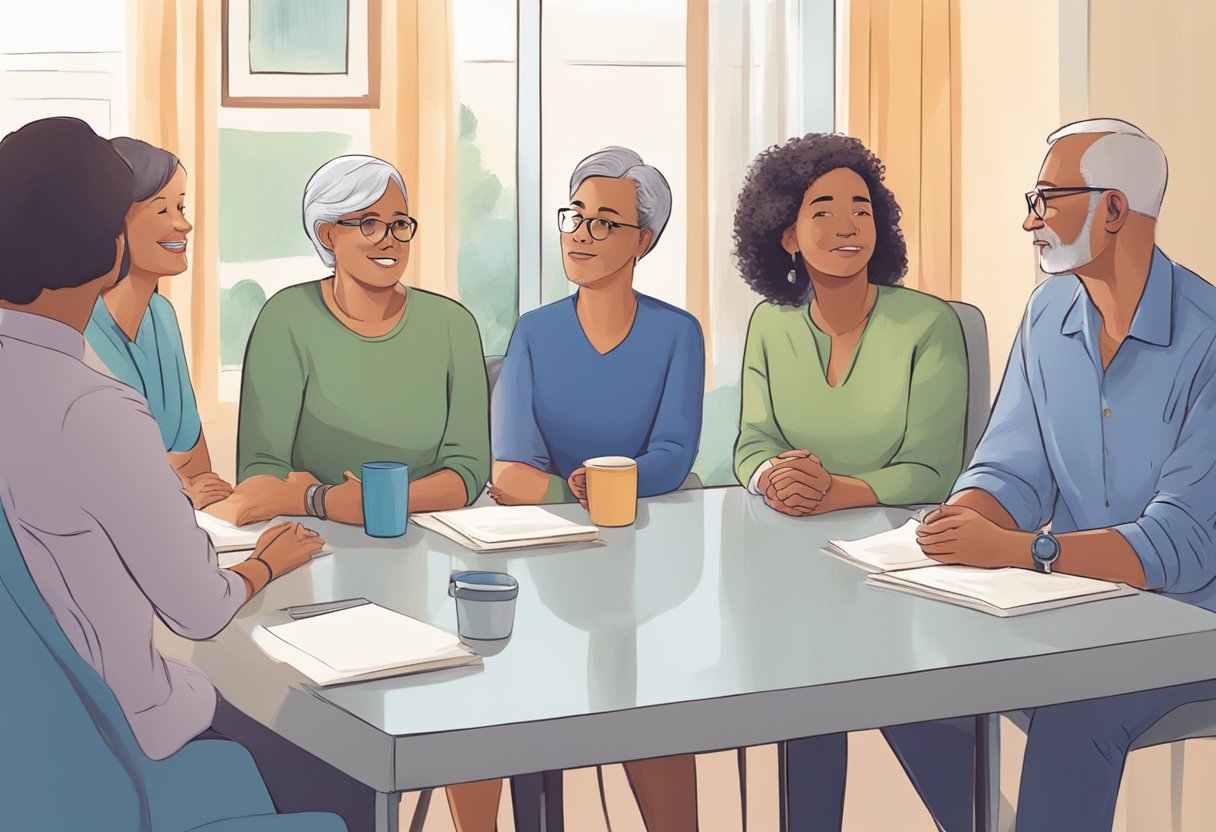
Following the rigors of cancer treatment, many survivors confront a profound sense of desolation. The transition from patient to survivor often lacks the support and structure vital for emotional and physical well-being. Advocacy for enhanced post-cancer care seeks to address this gap, championing a comprehensive support system for those navigating life after treatment.
The Role of Healthcare Teams
Healthcare teams play a critical role in delivering continuous care post-treatment. They ensure transitional support for survivors, aiming to reduce feelings of abandonment once the regular treatment ends. Experts suggest incorporating care plans tailored to individual survivors’ needs, encompassing medical follow-up and emotional support networks.
For men who have survived lymphoma or other types of cancer, the approach needs to be especially attuned. They may benefit from peer support groups where shared experiences foster a sense of camaraderie and understanding. It is a place where being humble and helpful can engender resilience and exemplify a path to recovery. Here, honest dialogue about post-treatment challenges can inspire proactive steps toward rejuvenation.
Improving Cancer Care Systems
Revamping cancer care systems requires a strategic view, concentrating on patient-centered models. Survivors yearn for a continuum of care that transcends the hospital setting and integrates community-based resources, including sports programs, to help rebuild strength and confidence. Offering access to such resources may significantly enhance the quality of life for survivors.
Institutions that provide cancer care should prioritize follow-up consultations and address the psychological aftermath of cancer, promoting therapies that consider the diverse experiences of survivors. In particular, men may benefit from structured activities and supportive discussions centered around recovery, enabling them to engage more fully in post-treatment life.
Final Thoughts on Post-Treatment Blues
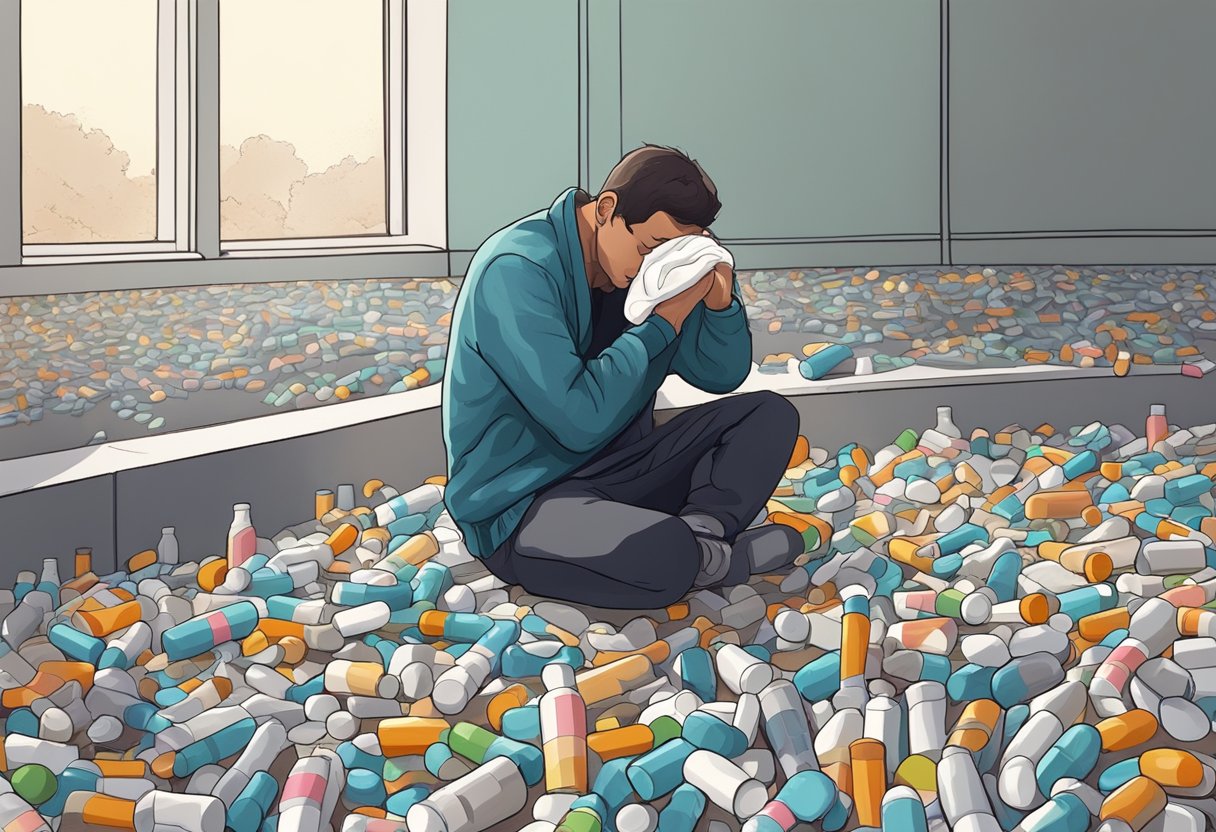
After the diligent battle against lymphoma twice over, survivors like him often confront an unexpected challenge: the emotional fallout once the hospital visits and treatments cease. It’s a peculiar paradox—victory over cancer should yield relief and joy, yet many men face a sense of loss and demoralization. They grapple with questions about purpose and what comes next in their lives.
For men who have been in the trenches of fighting lymphoma, the sudden quiet after treatment can echo loudly. They may feel adrift as the routine of their battle dissipates. Engaging in sports or focusing on physical activity can serve as an outlet for these complex emotions. Regular exercise can rebuild strength and boost morale, fostering a team spirit akin to those in the sporting world.
They require compassion, understanding, and an open dialogue about their emotional state. Communication channels must remain open, allowing these brave souls to express their vulnerabilities without judgment. Peers and support groups focusing on masculine survival experiences could prove beneficial. Together, they can share tactics that have helped them through the dip following recovery.
Acknowledging the legitimacy of post-treatment blues, he must remember his resilience. As survivors, they can navigate this terrain with the same courage they displayed in combat with their illness, transforming the struggle into a journey of personal growth and healing. -T
Frequently Asked Questions
This section directly answers common inquiries about postpartum blues, their duration, specific phenomena such as third-day blues, and clinical definitions and distinctions related to postpartum mood disturbances.
What are the common causes of postpartum blues?
The onset of postpartum blues is often due to hormonal changes after childbirth. Emotional challenges and sleep deprivation also contribute to these mood fluctuations.
How long do postpartum blues typically last?
Postpartum blues usually resolve within two weeks. If symptoms persist, it may indicate a more severe condition, and seeking medical advice is recommended.
Can you explain what third-day blues refer to in the postpartum period?
Third-day blues are characterized by a peak in sadness, tearfulness, and feeling overwhelmed, which many new mothers experience around the third day after giving birth.
What is considered the late phase of the postpartum period?
The late phase of the postpartum period is approximately six months after delivery when postpartum symptoms, if any, often subside, and a new routine has typically been established.
What are the distinguishing characteristics of postpartum psychosis?
Postpartum psychosis manifests as a severe mental illness with symptoms like delusions, hallucinations, and erratic behavior, requiring immediate medical intervention.
