

Strategies for Personal Growth and Endurance
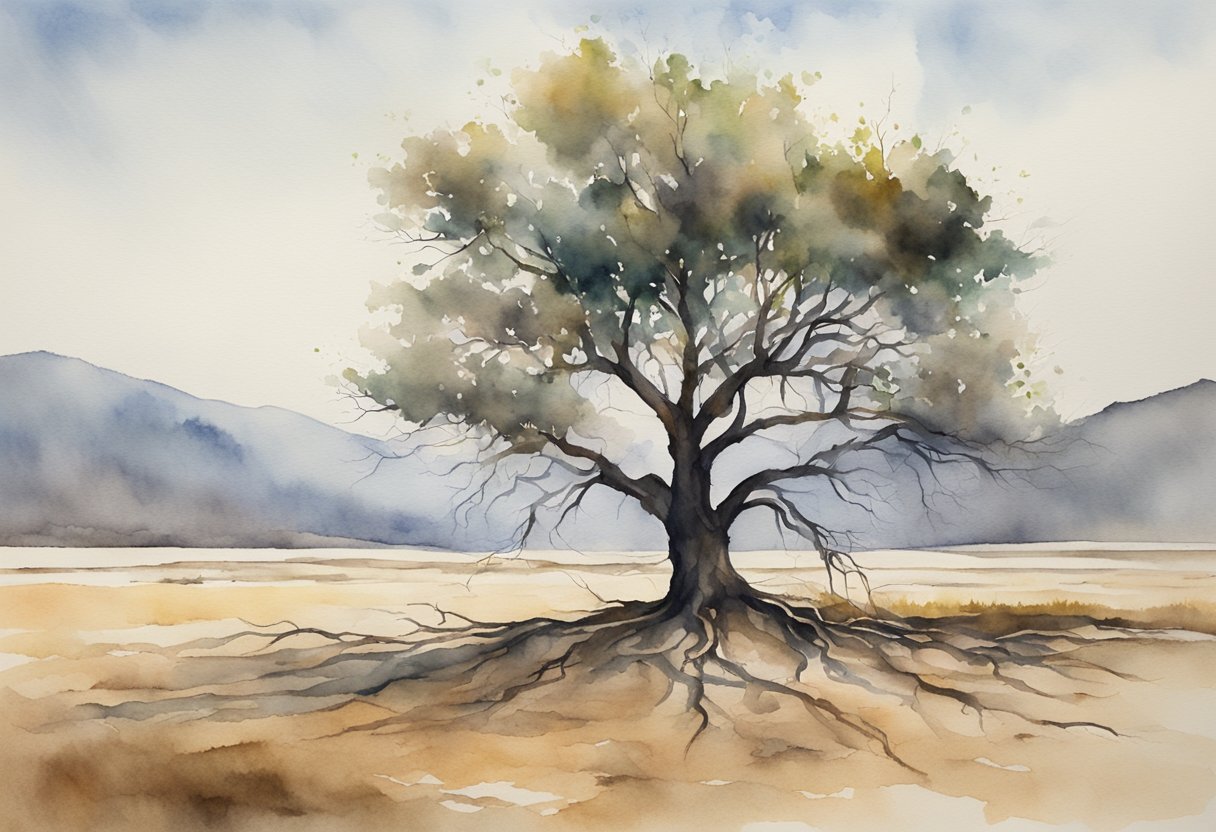
Resilience is the psychological quality that allows some people to be knocked down by life and return at least as strong as before. They find a way to rise from the ashes rather than letting failure overcome them and drain their resolve.
Psychologists have identified some factors that make someone resilient: a positive attitude, optimism, the ability to regulate emotions, and the ability to see failure as a form of helpful feedback. Even after misfortune, resilient people are blessed with such an outlook that they can change course and soldier on.
Post-treatment feelings of demoralization are common among cancer survivors. Men who have triumphed over lymphoma, for instance, might experience an unexpected onslaught of emotional challenges after their victory over the physical ailment.
They often grapple with profound questions about their purpose and value, sometimes feeling sidelined in their social environments due to the extended absence and recovery period associated with their treatment. However, their journey through such arduous paths often equips them with unique insights into building resilience through relational and social support, alongside developing cognitive and behavioral strategies to foster mental health and well-being. -T
Key Takeaways
- Resilience enables individuals to recover from setbacks and maintain a positive outlook.
- Cancer survivors, particularly men with lymphoma, often face emotional challenges post-recovery.
- Building resilience involves developing emotional regulation, social support, and positive cognitive strategies.
Understanding Resilience
Resilience remains vital for individuals navigating the ever-changing landscape of life’s challenges. It acts as a buffer against psychological strain and imbues a sense of direction when faced with adversity.
Defining Resilience
Resilience is the psychological quality that allows some people to be knocked down by the harsh realities of life and come back at least as strong as before. Rather than letting difficulties, traumatic events, or failure overcome them and drain their resolve, highly resilient individuals find a way to change course, emotionally heal, and continue moving toward their goals.
Importance of Resilience in Well-Being
For those grappling with life’s adversities, resilience provides a stronghold. Take, for example, men who have battled lymphoma cancer. After the tumultuous journey of treatment, they often confront a profound sense of vulnerability. Yet, this resilience forges a path through the disruptions cancer brings to life.
It is not merely about bouncing back; it’s about profound personal growth that anchors their existence and gives meaning to their survival. They embody toughness, mobilize strengths, and actively seek companionship for shared experiences on the playing field of life. These men emerge with a renewed purpose and heightened appreciation for each day.
Emotional Components of Resilience
Resilience is not solely the ability to bounce back; it encompasses the emotional capacity to navigate stress and adversity. Emotional intelligence, hope and optimism, and emotional recovery are critical.
Developing Emotional Intelligence
Emotional intelligence (EI) forms the bedrock of resilience, equipping individuals to identify, understand, and manage their emotions. Those who foster EI are better positioned to handle the complexities of emotional distress. He adopts strategies such as mindfulness to stay emotionally present and reflective.
- Awareness: He recognizes his emotions as they occur.
- Regulation: He maintains control over his emotional responses.
Cultivating Hope and Optimism
Hope and optimism are emotional catalysts that propel individuals toward recovery and resilience. Through hope, they maintain a vision of a positive future despite challenges. Optimism allows him to trust in his capacity to overcome. He nurtures relationships that reaffirm his belief in possibility and progress.
- Vision of the future: He holds onto hope for recovery.
- Trust in self: He is optimistic about his capacity to prevail.
Emotional Pain and Recovery
Recovery from emotional pain is a testament to resilience. Survivorship, especially among men facing cancer, often brings feelings of demoralization post-treatment. He understands the value of self-compassion and the role it plays in healing. From enduring lymphoma cancer twice, he imparts wisdom on the necessity of allowing oneself to grieve and rebuild after loss. His efforts extend to supporting fellow survivors in creating a compassionate community where they exchange experiences of emotional recovery.
- Self-compassion: He practices kindness towards himself during hard times.
- Community support: He fosters empathy and shared healing among peers.
As a resilient survivor, he continues to offer support that embodies empathy and a deep understanding of the emotional rollercoaster men with cancer experience. Through this, he contributes to the emotional well-being of others and reinforces the collective strength of those around him.
Social Factors in Resilience
Resilience is not just an individual trait; the social connections deeply influence it and support systems one cultivates and maintains.
Building Supportive Relationships
Supportive relationships are the cornerstone of resilience, particularly among men who have faced health challenges such as lymphoma. Surviving cancer not once but twice has a way of clarifying the value of deep connections. These survivors often find solace and strength in sharing their journeys, knowing that genuine understanding flows from shared experiences. They extend compassion and foster a network of fellow survivors, fostering connections that are both healing and empowering.
Engagement in support groups offers a platform to help others and a beacon of hope to those feeling isolated in their struggle. Relationships like these, grounded in empathy and mutual respect, are pivotal in buffering against feelings of demoralization that can surface once the rigors of treatment conclude.
Seeking and Offering Help
In the aftermath of intensive medical treatments, men may encounter a profound sense of disconnection from their previous lives. Actively seeking assistance and also providing it can reignite a sense of purpose. Survivors demonstrate resilience while enriching their sense of self-worth by offering mentorship to newly diagnosed patients or sharing strategies for navigating the healthcare system.
Furthermore, engagement in sports can be a significant aspect of recovery and building resilience. For a lymphoma survivor, coaching a local youth soccer team or participating in a charity run nurtures physical strength and affirms life beyond illness. They often become advocates for health, using their athletic pursuits to raise awareness and inspire others facing similar challenges.
Resilience and Mental Health
An individual’s level of resilience shapes the ability to recover and adapt to mental health challenges. Resilience plays a vital role in enabling individuals to overcome such difficulties.
Resilience Against Mental Challenges
Individuals grappling with mental adversities such as anxiety and depression can benefit significantly from having resilience. Resilience acts like a shield that helps them cope and overcome daily challenges. It fosters a mindset resilient in the face of these challenges.
Cancer survivors, for instance, may experience demoralization even after treatment, feeling burdened by the immense physical and psychological stress they’ve endured. These experiences can shake one’s sense of self and cast a shadow on their mental health. Yet, from my journey through lymphoma twice, I’ve learned acceptance is a profound step towards healing—it involves acknowledging the struggle without being consumed by it.
Positive Adaptation to Life’s Challenges
Adapting positively to life’s hurdles involves a blend of acceptance, coping strategies, and a supportive community, vital for the well-being of those in duress, notably men battling cancer. In this context, resilience morphs into a dynamic process; it is not merely about bouncing back but also growing and improving mental health through the trials faced. Engaging in sports, for example, has shown promise in bolstering resilience, providing both physical and psychological benefits. It forges camaraderie and a sense of accomplishment, helping to rebuild the self that trauma or illness may have fragmented.
Strategies for Building Resilience
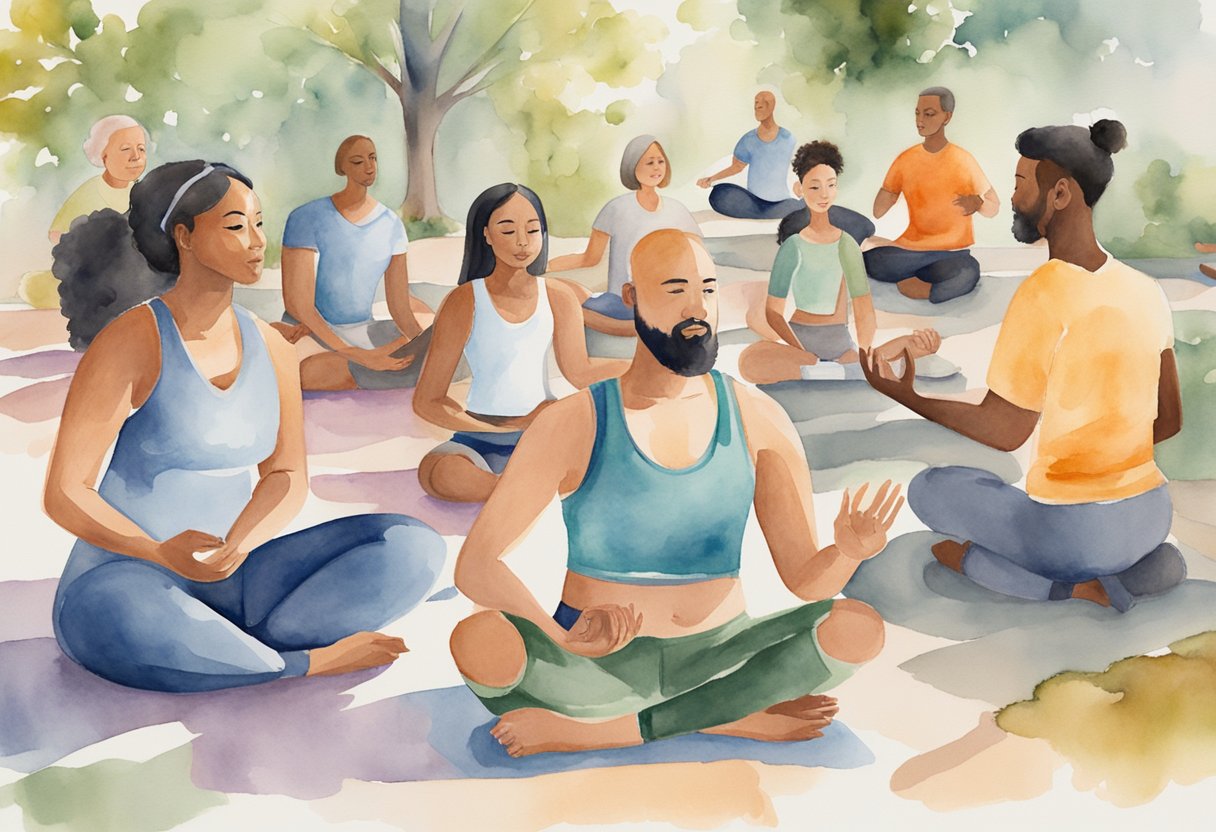
Building resilience involves developing personal strengths and creating a lifestyle conducive to recovery and growth. These practices provide a foundation for adapting to challenges and enhancing one’s capacity for endurance.
Personal Growth and Mindfulness
Cultivating a growth mindset paves the way for personal development and inner strength. Mindfulness practices, including meditation and deep breathing, can anchor individuals, allowing them to remain focused and composed amidst adversity. They form a base that reinforces positivity and learning from life’s experiences. This aspect is particularly salient for men who survive cancer, as they often grapple with feelings of demoralization post-treatment. A mindful approach can help them stay present and engaged with their recovery journey.
Building a Resilience Toolbox
A resilience toolbox is a personalized set of strategies and resources to draw upon during tough times. Key components include:
- Self-care activities to maintain well-being
- Social support networks to provide assistance and understanding
- Skills training, such as problem-solving, to navigate challenges effectively
Men who have faced cancer might include sports or exercise regimes tailored to their recovery needs to reinforce physical and emotional fortitude.
Lifestyle Factors and Resilience
A resilient lifestyle incorporates various factors that support overall well-being. Healthy nutrition, regular physical activity, and adequate sleep lay a physical foundation for resilience. These lifestyle elements contribute to a body’s recovery and an individual’s sense of control and efficacy. Team sports or communal exercise can significantly benefit male cancer survivors, providing social and physical support.
Overcoming Specific Adversities
In adversity, individuals must harness specific strategies to thrive beyond their current hurdles. This section explores targeted approaches to navigating illness and disability, rebounding from job loss and financial strain, and moving beyond the role of a victim.
Navigating Illness and Disability
When individuals contend with illness or disability, they engage in a delicate balance of acceptance and perseverance. Let’s consider those who survive cancer, such as men who have triumphed over lymphoma. Post-treatment, they may grapple with a sense of demoralization, often feeling disconnected from their previous lives. A resilient approach involves recognizing small victories and embracing lifestyle adjustments that promote recovery, such as incorporating regular physical activity or connecting with support groups for emotional stability and encouragement.
- Strategies for Adaptation
- Embrace change as a step forward
- Engage in activities that foster both physical and mental strength
- Seek communities that understand and share similar experiences
Facing Job Loss and Financial Stress
Job loss delivers a significant blow to one’s financial security and self-esteem. Those who find themselves suddenly without employment benefit from a proactive stance, seeking new opportunities while managing their financial resources wisely. Financial counselors can provide guidance and create a buffer from the stress, allowing individuals to plan effectively and identify unexpected opportunities for growth.
- Tactics for Financial Recovery
- Budget revision to control expenses
- Networking to uncover new career opportunities
- Skills enhancement for future job prospects
Moving Forward from Victimization
Victimhood can shackle individuals to their pasts, preventing them from realizing a future untarnished by their experiences. Overcoming this state entails recognizing oneself as a survivor, not a victim. For men who have faced adversities, sports can serve as a channel for rebuilding self-worth and developing camaraderie. Support systems are pillars in the healing process, offering guidance and the necessary tools to adapt and thrive post-adversity. Like those who persevere in the face of stress, their stories can inspire and motivate others to reclaim control of their lives.
- Pathways to Empowerment
- Participation in sports to rebuild confidence and foster teamwork
- Leveraging personal experiences to mentor and guide others in similar situations
- Setting achievable goals to mark progress and celebrate resilience
Maintenance and Growth
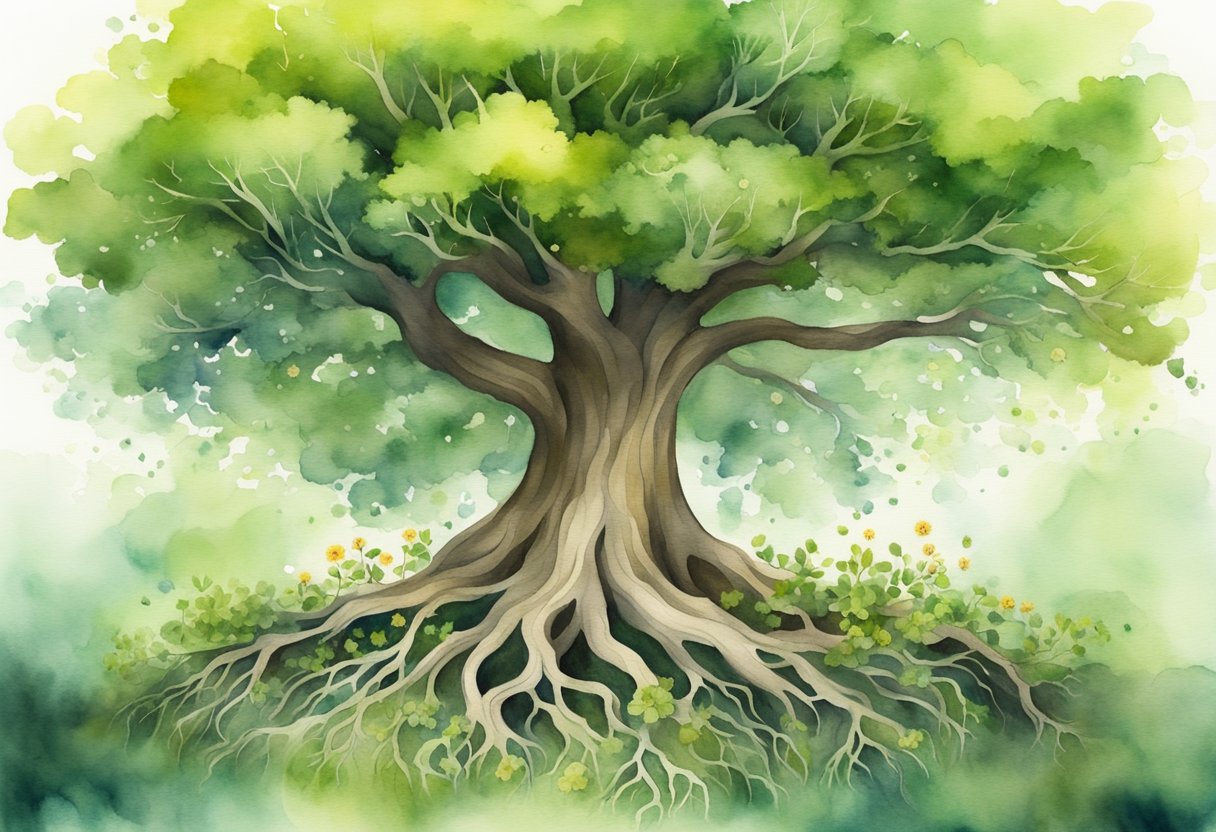
Resilience in adversity, such as overcoming cancer, involves continuous personal development and pursuing meaningful objectives. Maintaining one’s well-being and the drive for growth are twin pillars, reinforcing a resilient mindset.
Continuing Self-Improvement
Individuals cultivate resilience by engaging in lifelong learning and acquiring new skills. A lymphoma survivor may find that returning to familiar routines fosters a sense of normalcy. They often share insights with other men undergoing similar challenges, offering tangible strategies for recovery. For these survivors, each day is an opportunity to improve their physical and mental health, enriching their sense of self-worth.
Setting and Achieving Goals
Establishing goals gives survivors a future to strive toward. Focusing on sports and conditioning can be incredibly effective, offering clear, measurable targets and a way to rebuild strength. They may start with modest aims, such as a daily walk, progressively building to more demanding physical challenges. Small and large achievements boost confidence, affirm personal values, and reflect a commitment to health and longevity. A well-structured goal acts as a beacon of progress, illuminating the path to empowerment.
Final Thoughts…
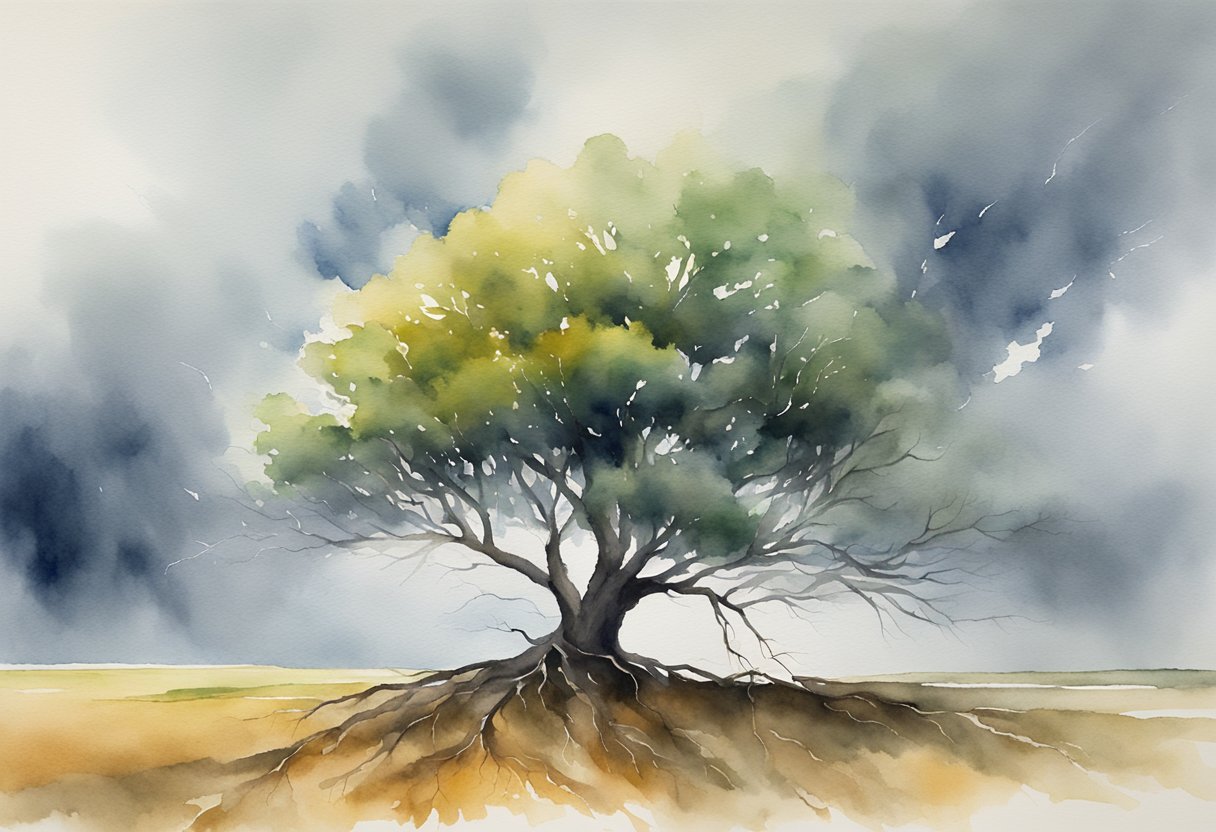
Resilience shapes our recovery journey like a skillful coach guides an athlete through challenges. As a lymphoma survivor twice over, the path post-treatment often led to a sense of being adrift, a boat losing sight of the lighthouse that was the structured regimen of care. Many men grapple with these waves of demoralization, feeling unmoored after the rigorous schedules and support networks of treatment fade into silence.
Support Networks:
- Seek out fellow survivors
- Join sports clubs or male cancer support groups
- Volunteer for resilience workshops
Men might face societal expectations to display stoicism, which can clash with the vulnerability felt during recovery. Forging resilience becomes a team sport, where drawing on the collective strength of others who’ve faced similar foes can renew purpose and restore drive.
Resilience Tactics:
- Physical Activity: Engage in regular team sports or individual fitness routines.
- Shared Experiences: Exchange stories and strategies that contributed to overcoming obstacles.
- Mentorship: Offer guidance to those newly navigating the waters of survival.
As I reflect on my journey, empathy surges forth. It is a powerful ally, enabling survivors to endure and reclaim their lives with vigor and insight. They must recognize each day as a fresh inning, a chance to swing for the fences with resilience as their steadfast coach. -T
Frequently Asked Questions
This section addresses common inquiries about resilience building, offering specific strategies and methods applicable to different life stages and challenges.
How can individuals cultivate resilience behaviors in everyday life?
Cultivating resilience behaviors is a proactive process. Daily practices like mindfulness, maintaining social connections, and setting realistic goals are foundational steps individuals can incorporate into their routines.
What are ten practical strategies for enhancing personal resilience?
Ten strategies to enhance personal resilience include maintaining a hopeful outlook, practicing stress-reduction techniques, fostering strong relationships, setting and pursuing personal goals, adapting to change, focusing on self-care, honing problem-solving skills, seeking help when needed, cultivating a sense of purpose, and learning from past experiences to build confidence.
Which skills are essential for developing resilience to stress and adversity?
Skills essential for developing resilience include emotional regulation, maintaining an optimistic perspective, effective communication, and seeking and utilizing support. These abilities enable one to navigate through stress and adversity with greater ease.
What methods can help improve resilience in children during their developmental stages?
Improving resilience in children involves consistent support, teaching them coping skills, and providing a stable environment. Encouraging positive social interactions and fostering a sense of competency and autonomy also play crucial roles in their resilience development.
What approaches can foster resilience among college students facing academic pressures?
College students benefit from stress management programs, mentorship opportunities, and peer support to foster resilience against academic pressures. Time management and self-care are critical strategies students can employ to manage stress effectively.
Can you outline the seven C’s that are crucial for building resilience?
The seven Cs crucial for building resilience encompass competence, confidence, connection, character, contribution, coping, and control. These elements form a framework that helps individuals understand and enhance their capacity for resilience.
