

Navigating the Journey of Cancer Survivorship
As we navigate life after cancer, the transformation of our relationships often takes center stage in our journey. Surviving lymphoma twice has given us profound insights into how the disease alters not only our physical health but also the tapestry of our social connections.
The road to redefining these ties involves open communication, understanding our new needs, and a commitment to nurturing support networks that foster a strong quality of life.
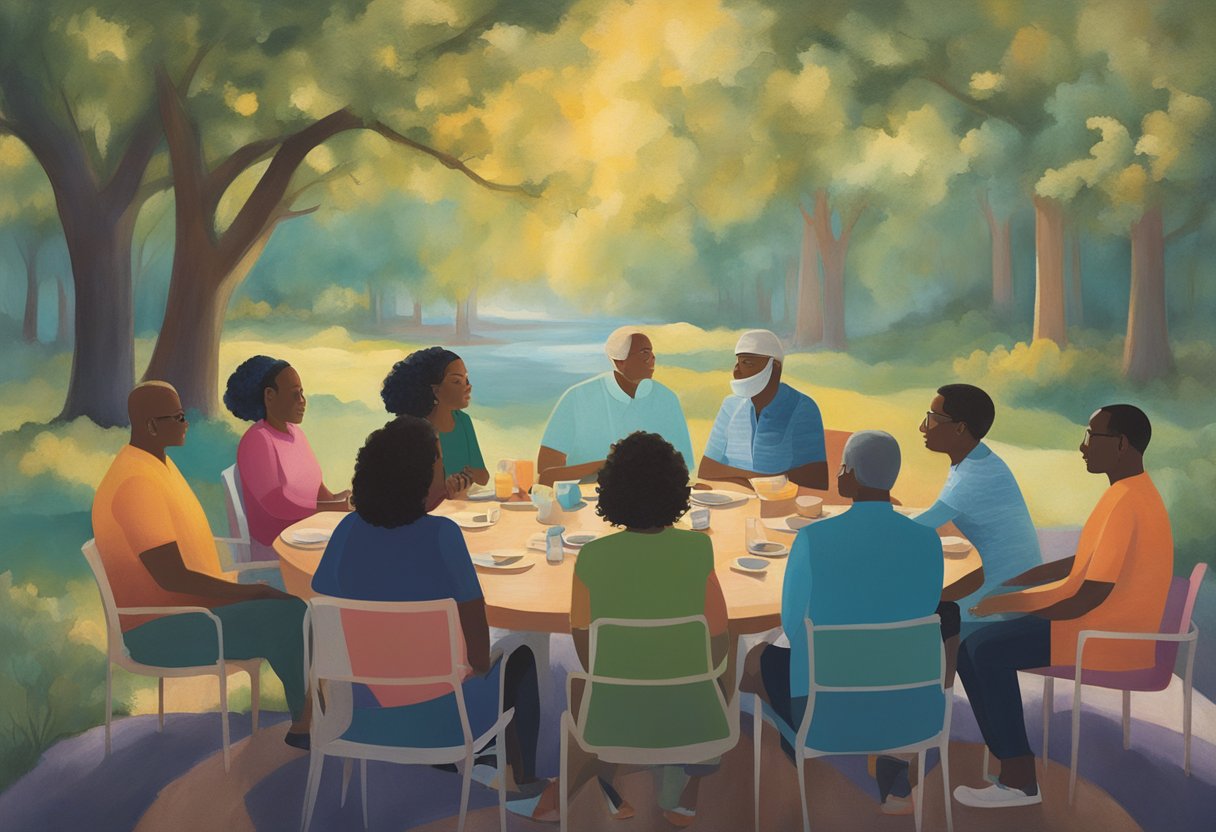
Together, we face unique challenges that test the resilience of our relationships with family, friends, and colleagues.
Surviving cancer propels us into a space where the dynamics of these interactions shift.
Shared experiences around activities and sports become a powerful glue that strengthens bonds and promotes healing.
Facing these interpersonal changes head-on allows us to craft a new normal that honors our experiences and the collective trial of men battling cancer.
Key Takeaways
- Life after cancer brings changes to our relationships, demanding a fresh approach to connection.
- Sports and shared activities help reinforce our social bonds during the survivorship phase.
- Active and open communication is crucial to adapting and maintaining quality relationships post-cancer.
Understanding Cancer Survivorship
Following a cancer diagnosis, we often find ourselves on a long-term journey—one that extends beyond the initial treatments and addresses our ongoing health and wellbeing.
The Journey Beyond Diagnosis
Cancer doesn’t conclude at the end of active treatment. Surviving cancer introduces us to a new standard of living. We navigate a lifelong process requiring adjustment, continual monitoring, and support.
As individuals who have triumphed over lymphoma, we witness firsthand the profound complexities this chronic condition weaves into our lives.
We not only grapple with the physical aftermath but also with the nuances of our emotional landscapes.
- Physical: Vigilant about health changes, we attend regular follow-ups
- Emotional: We understand the silent battles and offer a hand in solidarity
- Social: Engaging in community activities, we foster connections and share wisdom
Cancer Survivorship Care
A survivorship care plan is pivotal in managing our health after primary treatment. This tailored strategy outlines follow-up care, monitors the potential for recurrence, and addresses the late effects of therapy.
We advocate for a personalized approach, ensuring we receive the finest care suited to our needs.
- Medical Care: Regular check-ins with oncologists and primary healthcare providers
- Lifestyle Changes: Encouraging fitness and fostering resilience through sports participation
- Support Systems: Building a community that empathizes and provides practical advice
We redefine our relationships with our bodies and our health as we harmonize our daily routines with the complexities of surviving cancer.
Focusing on detailed care plans and engaging in activities that strengthen us, we set the stage for a robust and fulfilling life post-cancer.
Medical and Psychosocial Aspects of Survivorship

In the journey of cancer survivorship, we often navigate a landscape marked by continuous medical care and the pursuit of emotional stability.
Long-Term Follow-Up Care
Our follow-up care serves as a safety net, designed to catch any signs of cancer returning and manage chronic conditions that coexist.
This vigilance allows us to detect and address concerns promptly, improve our overall health outcomes, and reduce the risk of new health issues.
Our care plans often comprise regular scans, blood work, and check-ups that target not only our physical wellness but also any comorbidities that may develop alongside our history of lymphoma.
Mental Health and Emotional Wellbeing
We understand that our mental health is as vital as our physical recovery.
The shadow of fear of recurrence looms, yet we tackle it head-on with support groups, therapy, and conversations with fellow survivors.
Sharing our experiences and strategies to maintain emotional wellbeing, we build resilience against psychological stressors and find solace in our collective strength.
In this solidarity, we discover the courage to face each day with renewed purpose and emotional fortitude.
Communication and Support Networks
Surviving lymphoma not once but twice reshapes our perspective on everything, especially the roles communication and support networks play in our recovery and ongoing wellbeing.
Family and Friend Dynamics
Survivorship entwines deeply with the fabric of our relationships. As survivors, we learn that family and friends often form the core of our support system.
These bonds may evolve but can strengthen through straightforward, open dialogues about our needs and feelings.
This transformation—not unlike the physical and emotional trials we endure—requires patience and mutual understanding.
We also see shifts in dynamics as some relatives and friends might struggle to relate to our experiences.
These changes require navigational tact and, at times, guidance from professional support services.
Professional Support Services
In the wake of survivorship, professional support services serve as crucial pillars.
Oncology nurses are often our primary source of information, guiding us with precision through the labyrinth of post-treatment care. Their expertise offers clarity and direction, ensuring we stay informed.
Beyond medical guidance, social support groups tailored for us provide solace and understanding from those who wear similar scars.
Here, in the fellowship of other male survivors, we exchange stories, advice, and strength—each of us contributing to a collective resilience that underscores our shared experiences.
Impact on Quality of Life

As survivors, we face a complex journey where both physical and social adjustments, as well as adopting a healthy lifestyle, play pivotal roles in enhancing our quality of life after cancer.
Physical and Social Adjustments
Life after cancer demands that we reassess and often redefine our physical capabilities and social roles.
We might experience fatigue or physical constraints, but we tackle these challenges by setting realistic goals and engaging in carefully planned exercise programs.
Structured physical activity not only aids in our recovery but also boosts our mood and sense of wellbeing.
Socially, our relationships can transform. We seek understanding from peers and create support systems that empathize with our experiences.
It is through these social bonds that we find encouragement and solidarity.
Adopting a Healthy Lifestyle
Embracing a healthy lifestyle is more than a choice; it’s a commitment to ongoing self-care.
We incorporate nutritious diets and regular physical activity into our daily routines, not as fleeting endeavors but as permanent fixtures.
This dedication to a healthy lifestyle reinforces our resilience and equips us with the energy to lead fulfilling lives.
Committing to a sport can be particularly beneficial, allowing us to build stamina and camaraderie.
We encourage each other to find a sport that resonates, ensuring it’s enjoyable, as this increases the likelihood of us staying active and engaged over the long term.
Evolving Relationships Post-Cancer

As survivors, we find that our personal connections and social engagements often shift dramatically after cancer treatment, calling us to reassess and recalibrate how we relate to those around us.
Restructuring Personal Connections
After facing lymphoma cancer together, we’ve come to recognize the profound transformation in our relationships.
We often see our bonds either strengthen or, in some cases, become strained.
Closer relationships serve as support pillars, where candid conversations about our fears and triumphs become central to mutual understanding.
In this transition, it is beneficial to identify those who truly offer the encouragement and companionship we need.
We learn to prioritize healing relationships and reduce involvement with those that may drain our energy.
Each interaction shapes our coping strategies, allowing us to create a supportive network tailored to our unique journey.
Community and Social Engagement
Our engagement with larger communities plays a crucial role in how we navigate this new reality.
We look beyond our immediate circle to join support groups specifically tailored to men who have encountered cancer.
In these groups, our shared experiences foster a deep connection and offer a refreshing perspective absent in other parts of our lives.
We also realize the value of giving back; by volunteering in sports programs, we impart strength to others while enriching our sense of purpose.
These sports-based endeavors invigorate us physically and help us forge new social relationships with peers who understand the resilience required to move forward.
Advancements in Survivorship Research
With continuous updates in survivorship research, we have a growing repository of data and models that significantly influence how we tackle post-cancer care.
Literature and Studies
The landscape of cancer survivorship literature is ever-expanding. Studies shed light on the diverse aspects of living post-cancer. We find strength in the scholarly articles that articulate the phases of survivorship.
Each chapter in our collective story is a phase of survivorship. These works provide us with a more in-depth understanding of the predisposing factors and life-changing experiences cancer survivors like us face.
Especially for us men who have braved the trials of lymphoma cancer, these studies underpin our journey toward wellness with solid evidence-based insights. They articulate not just the burdens we carry but the resilience we embody.
Guidelines and Care Models
Guidelines stand as beacons, guiding our path to optimal recovery and wellbeing. Esteemed institutions like the American Society of Clinical Oncology and the National Comprehensive Cancer Network distill vast research into actionable blueprints.
These guidelines inform the care models we rely on, integrating the wisdom of countless health professionals and survivors. They champion a holistic approach to our after-care. This ensures a clinical response and a nurturing one to our new reality.
The Cancer Survivorship Model we draw from illustrates the acute and extended phases we navigate. It offers a framework that acknowledges the comprehensive nature of our experience.
Our stories contribute to the evolution of this survivorship model, pushing the boundaries of what it means to live beyond cancer.
Final Thoughts

In our journey, we’ve shared a bond through unique challenges, drawing from resilience and an unyielding will to thrive. We collectively celebrate victories and extend support during setbacks.
As fellow survivors, we know life after cancer encompasses much more than routine check-ups. It’s about redefining ourselves, not just as survivors, but as advocates for our physical and emotional wellbeing.
We’ve learned to adapt, finding strength in activities that revive our bodies and refresh our spirits. Whether hitting a tennis ball for that perfect serve or finding tranquility in morning jogs, these moments rebuild us.
Our camaraderie flourishes not in silence but in sharing our strategies for living fully. We encourage one another to maintain healthy lifestyles, seek support when feelings of anxiety or depression, and remember the value of relationships that may have shifted during our experiences.
We understand adapting to life post-cancer is an ongoing process. Every day presents an opportunity to craft a lifestyle centered on what gives us joy and strengthens our resolve.
Let’s continue to inspire each other, moving forward with confidence and the knowledge that we are more than our diagnoses—we are thrivers, mentors, friends, and unstoppable forces within our communities. -T
Frequently Asked Questions
We understand the need for clear and specific insights after overcoming cancer. Life after such an experience is a different chapter with unique challenges and milestones.
What does the journey look like after surviving stage 4 cancer?
After enduring stage 4 cancer, the journey becomes one of vigilant self-care and regular monitoring. We adapt to a life where wellness check-ups are routine, and every small victory is celebrated fervently.
How is cancer survivorship defined in the medical community?
In our collective experience, the medical community regards anyone diagnosed with cancer as a survivor from the moment of diagnosis. We embrace this definition, highlighting that survivorship is a continuing process.
What are common challenges faced by individuals during cancer survivorship?
Survivorship often comes with trials such as managing lingering treatment effects, uncertainty about the future, and shifts in personal relationships. We address these challenges following cancer with courage and a network of robust support around us.
What are some preferred alternatives to the phrase ‘Lost Battle with cancer’?
We prefer language that respects the dignity of our journey, such as ‘died after a valiant fight with cancer’ or ‘passed away following a courageous cancer battle.’ These terms honor the person’s efforts without implying defeat.
How does survivorship care differ from treatment received during cancer?
Survivorship care shifts focus from treating the cancer to supporting our overall health and wellbeing. This transition involves more than just physical care; it extends to our emotional and psychosocial health, assisting us with the changes in life after treatment.
What types of support are beneficial for those in cancer survivorship?
Support takes various forms. These include medical teams focused on survivorship care, counseling for emotional wellbeing, fitness programs to rebuild strength, and community groups where we share and learn from each other’s experiences.
