

Strategies for Success
SMART goal setting is a game-changer for male cancer survivors who want to reclaim their lives and achieve their dreams.
When I faced lymphoma twice, setting clear and achievable goals gave me a sense of purpose and direction. By focusing on Specific, Measurable, Achievable, Relevant, and Time-bound objectives, we can track our progress and celebrate small victories along the way.
Cancer significantly impacts our lifestyle and mental health, but it’s possible to overcome these challenges with the right strategies.

Engaging in regular physical activity, maintaining a balanced diet, and finding a solid support network can significantly improve our quality of life.
As survivors, setting and pursuing life goals is vital to psychological adjustment and finding new meaning.
We, as male cancer survivors, need community and communication to thrive. By joining support groups and sharing our journeys, we help ourselves and others in similar situations. Let’s embrace the power of goal setting and move beyond survivorship, focusing on a healthier and more fulfilling life.
Key Takeaways
- SMART goals help male cancer survivors regain control.
- Healthy lifestyle choices enhance survivorship.
- Support networks are crucial for our mental well-being.
Understanding Cancer Survivorship

Cancer survivorship involves more than just the end of treatment; it encompasses the ongoing physical, emotional, and social challenges that survivors face. Let’s explore essential elements of survivorship.
Defining Survivorship
Survivorship starts at diagnosis and includes the entire cancer journey. It addresses the long-term effects of cancer and its treatment. We must consider the absence of disease and the quality of life post-treatment.
This means managing chronic physical symptoms, psychological health, and social reintegration.
Key goals in survivorship include:
- Monitoring for recurrence
- Managing side effects
- Emotional and social support
Engaging in regular check-ups and communicating with healthcare providers ensures a better survivorship experience.
The Journey After Cancer Treatment
Once treatment concludes, many survivors transition to follow-up care. Setting SMART goals (Specific, Measurable, Achievable, Relevant, Time-bound) for our ongoing health is vital.
We may face issues such as fatigue, pain, or psychological distress. Addressing these effectively is key to improving our quality of life.
Common post-treatment focuses include:
- Regular medical screenings
- Rehabilitation programs
- Lifestyle adjustments, like diet and exercise
By remaining proactive and informed, we can navigate the complex landscape of survivorship care.
Statistics and Demographic Information
Cancer survivorship has seen considerable growth in recent years.
According to the American Cancer Society, there were 15.5 million cancer survivors in the United States in 2016. By 2018, 1.7 million new cases emerged, highlighting the increasing need for comprehensive care and support systems.
Men face unique challenges and experiences in survivorship. Among male survivors, addressing specific health concerns, including sexual health and mental well-being, remains crucial. Engaging with survivor communities and leveraging resources can significantly impact our journey.
The Impact of Cancer on Male Survivors

Male cancer survivors face numerous challenges that can significantly affect their quality of life. These challenges range from physical and emotional changes to social issues and personal relationships.
Physical and Emotional Changes
Cancer brings profound physical and emotional changes. Survivors often experience fatigue, a lasting struggle that impacts daily activities. Many of us also deal with the late effects of treatment, which can include pain, numbness, or lymphedema. These late effects hinder physical activity, making it harder to stay fit.
The psychological impact is equally substantial. Anxiety and depression are common as survivors risk recurrence. Our mental health can be fragile as we navigate the uncertainty of potential recurrence and the trauma of past treatments.
Setting SMART goals can help us manage these changes by providing a clear, achievable path forward, focusing on minor, measurable improvements.
Social Issues and Personal Relationships
Surviving cancer often alters our social lives and personal relationships. Relationships with family and friends can be tested as we adjust to our new reality.
Open communication is vital for understanding and support. Some of us might feel isolated or perceived as different because of our experiences.
Work relationships and career paths might also be affected. We may face discrimination or a lack of understanding from employers and colleagues about our physical capabilities and mental resilience.
Components of Survivorship Care
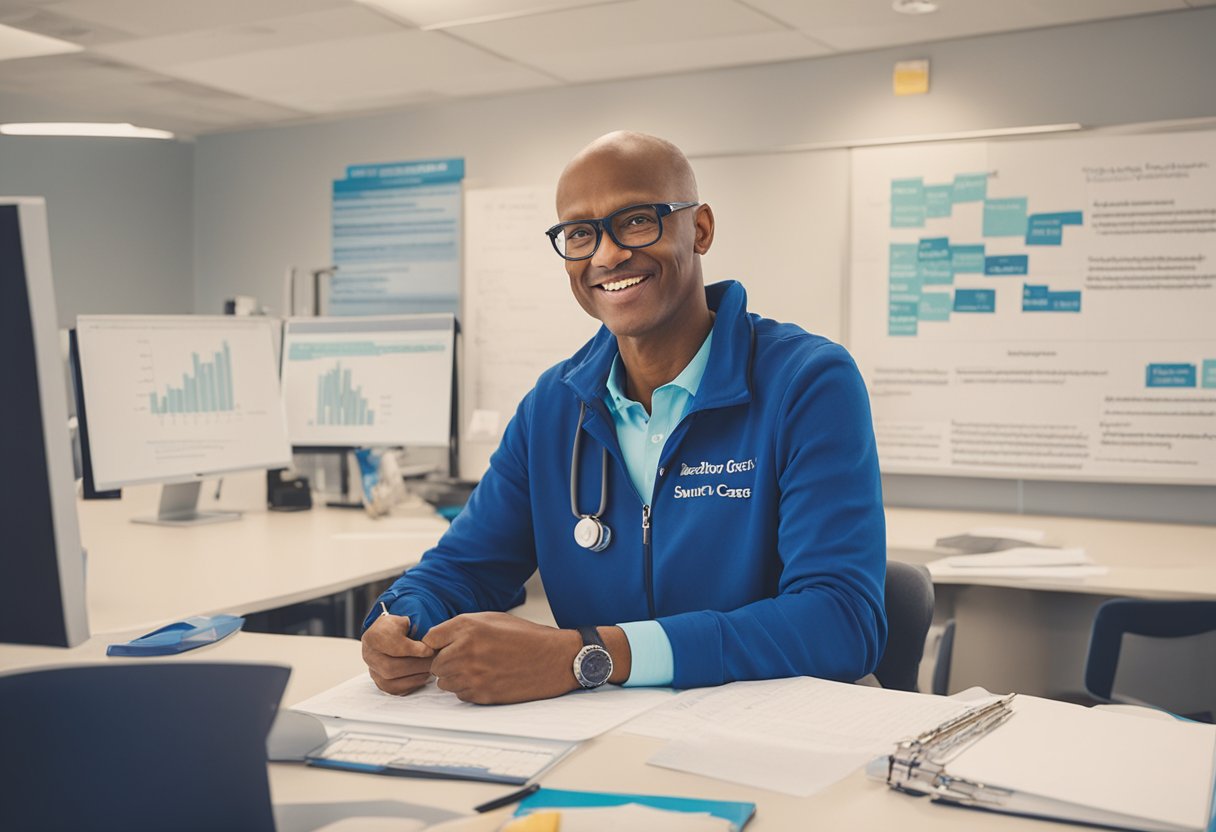
Survivorship care is a multi-faceted approach that addresses the long-term health and well-being of cancer survivors. Focusing on males, we discuss essential components, including care plans, healthcare providers’ roles, and patient education.
Elements of a Survivorship Care Plan
Survivorship care plans include detailed records of a patient’s cancer history and treatments. They list follow-up tests, highlight potential long-term effects, and outline screening schedules.
Our care plans also identify the responsibilities of different healthcare team members. This clarity helps ensure everyone knows their role in ongoing care. Additionally, these plans offer emotional and psychological support resources, which can be crucial for dealing with post-treatment anxiety.
A well-crafted plan can make all the difference in transitioning from active treatment to post-treatment life. It’s a guide that helps survivors navigate their new normal effectively and confidently.
Role of Healthcare Providers
Healthcare providers play a critical role in survivorship care. They include primary care physicians, oncologists, nurses, and mental health professionals. Each brings their expertise to manage the complexities of post-cancer life.
Providers collaborate to create and update survivorship care plans. Regular consultations help detect recurrence early and address any late side effects. Maintaining open communication ensures that our needs and concerns are met comprehensively.
Their support extends beyond medical care. Providers often connect us with community resources, support groups, and programs tailored to male cancer survivors. This network of care helps us achieve a higher quality of life post-treatment.
Integrating Patient Education
Patient education is crucial for empowering us with the knowledge to manage our health. Education covers disease details, treatment side effects, and lifestyle changes that promote better outcomes.
Educational resources should be accessible and understandable. Schools and workshops tailored to men’s unique experiences with cancer are effective. These resources might include pamphlets, online seminars, or peer support networks.
Understanding our care plan and the effects of our treatments helps us make informed decisions about our health. Well-informed patients are better equipped to advocate for themselves and seek help.
Rehabilitation and Healthy Living
Cancer survivors need ongoing support to restore and maintain their well-being. Key areas to focus on include regular exercise, nutrition, weight management, and psychological support.
Incorporating Regular Exercise
Regular exercise is essential for maintaining strength and improving mental health. We should aim for aerobic activities like walking or swimming and resistance training to build muscle. The goal is to stay active without overexerting ourselves.
Physical activity helps manage weight, reduces fatigue, and boosts mood. Engaging in sports or group exercise classes can provide motivation and social support. Aim to set specific, measurable goals, such as walking 30 minutes daily, five days a week.
Nutrition and Weight Management
Healthy eating plays a crucial role in our recovery and ongoing health. We should focus on balanced diets rich in fruits, vegetables, lean proteins, and whole grains. Avoiding processed foods and sugary drinks can aid weight management and overall health.
Portion control is vital for maintaining a healthy weight. We can use smaller plates to help control portions and eat slowly to recognize fullness signals. Setting achievable goals, like eating at least five servings of vegetables daily, can keep us on track.
Psychological Support and Coping
Mental health is just as necessary as physical health for our overall recovery. Psychological support can help us cope with the emotional toll of cancer and its treatment.
We should seek out support groups or therapy that cater to our specific needs as cancer survivors.
Developing effective coping strategies is essential. Techniques such as mindfulness, meditation, or cognitive-behavioral therapy can reduce stress and anxiety. It’s vital to communicate openly with our healthcare team about any psychological struggles we face to receive the appropriate support.
Goal Setting for Cancer Survivors
We know from personal experience that setting goals transforms our survivorship journey.
Effective goal-setting can help us recover and regain control of our lives. Here, we focus on using SMART goals, setting achievable health objectives, and adjusting goals throughout recovery.
SMART Goals Framework
SMART (Specific, Measurable, Achievable, Relevant, Time-bound) goals give structure to our efforts.
For instance, a “walk 30 minutes daily” goal is much more precise than “exercise more.”
Specificity helps us focus, while measurability tracks progress. If the goal is achievable, it motivates us and encourages persistence.
Relevance ensures our goals align with our values, and setting a time frame instills a sense of urgency.
Using the SMART Goals Framework creates a sense of direction and increases the likelihood of success. For male cancer survivors, these actionable steps can support better survivorship care and improve their quality of life.
We should always reflect on our progress, adjusting as needed to stay motivated in our recovery journey.
Setting Achievable Health Objectives
Health objectives should be realistic and tailored to our capabilities.
Examples include improving diet, increasing physical activity, or maintaining a healthy weight. Setting small health goals like eating an additional serving of vegetables per day helps us build momentum.
By breaking down objectives into manageable steps, we avoid overwhelming ourselves.
We reshape our routines by gradually increasing our activity levels or making incremental dietary changes.
Regular check-ins with healthcare providers ensure our goals are aligned with our medical needs. Setting achievable health objectives sustains motivation and fosters a sense of accomplishment, which is crucial for psychological adjustment during recovery.
Adjusting Goals Throughout Recovery
Our journey involves continuous reassessment and adjustment of goals. Life circumstances change, and so do our needs.
Regularly reviewing our goals keeps them aligned with our current situation. For example, switching to walking might be wiser if we initially aimed to run a marathon but experienced pain.
This doesn’t mean failure but rather ingenious goal adaptation.
Recovery is dynamic, and flexibility is key. Setting adaptive goals accounts for variations in our energy levels and physical capabilities.
By understanding that adjusting goals is part of the process, we stay engaged and positive.
Listening to our bodies and consulting with our care providers help us navigate these changes effectively. Resources like the National Cancer Survivorship Resource Center offer valuable guidance and support throughout our journey.
Communication and Support Networks
Effective communication and robust support networks are vital for male cancer survivors. Building strong connections with healthcare providers and utilizing various support systems can significantly impact recovery and quality of life.
Building Effective Patient-Provider Communication
Establishing solid communication with healthcare providers is essential. We must feel comfortable discussing our needs, concerns, and changes in our condition.
Clear goals and expectations can be set through specific questions and active listening.
Using tools like detailed symptom journals helps keep track of progress. This documentation enables us to provide precise information during appointments.
Additionally, bringing a trusted friend or family member to meetings can provide emotional backing and ensure crucial points are not missed.
Effective patient-provider communication also involves mutual respect and trust.
We should advocate for ourselves by asking for clarification and ensuring we understand treatment plans.
Providers should offer empathetic, clear guidance and be open to involving us in decision-making processes.
Utilizing Online Social Networks and Support
Online social networks offer invaluable support for cancer survivors. Platforms like Smart Patients provide spaces for sharing experiences and gaining insights.
Many members interact with the site weekly, fostering a strong sense of community, particularly among male survivors.
These networks are beneficial for exchanging information about managing side effects and discovering new resources. Besides practical advice, the camaraderie and empathy found in these communities give emotional relief.
It’s essential to participate actively in discussions and support others. This mutual exchange fosters stronger connections and can lead to valuable friendships.
Ensuring privacy settings are appropriately managed is crucial to protecting personal information while engaging in these platforms.
Navigating Family and Community Support
Family and community support play a significant role in our journey. Open, honest communication with family members about our feelings and needs allows them to provide better assistance.
This openness strengthens our bonds and helps them understand their role in our recovery.
Community resources and support groups also provide valuable support. Local cancer organizations often offer workshops, counseling, and group meetings.
Engaging with these resources can provide practical help and a sense of belonging.
Delegating tasks and allowing loved ones to assist with daily responsibilities is essential. This practical support can alleviate stress and enable us to focus on healing.
Encouraging family involvement in community events or support groups can also enhance their capacity to support us effectively.
Moving Beyond Survivorship

As male cancer survivors, we must learn to embrace our new normal while planning for the future and advocating for our health and well-being. By setting SMART goals, we can successfully navigate these challenges and make the most out of our recovery journey.
Embracing a New Normality
After battling cancer, life often feels different. Adjusting to this new normality is crucial for our mental and physical well-being.
Simple routines can be disrupted, and returning to them requires patience and resilience. Regular check-ups, maintaining a healthy lifestyle, and transitioning back to daily activities are vital steps.
We must also accept that some changes are permanent. This acceptance does not diminish our strength. Instead, it empowers us to focus on what can be controlled and improved.
Engaging in hobbies, connecting with support groups, and spending time with loved ones help establish a sense of normalcy.
Planning for the Future
Planning can feel daunting post-recovery, but setting Specific, Measurable, Achievable, Relevant, and Time-bound goals can make a significant difference.
We have learned the value of living life with intention. Planning for the future involves regular health check-ups, setting career or personal goals, and ensuring we have a foundation of support from friends and family.
We must also be prepared for the uncertainties that may come. A clear plan provides direction and reduces anxiety.
This includes financial planning, seeking therapy if needed, and continuing education about our health.
By focusing on realistic and attainable goals, we can rebuild our lives and look forward to what lies ahead.
Advocacy and Empowerment
Advocating for our health is part of our recovery journey. Knowledge about our condition and treatments enables us to make informed decisions.
Attending medical appointments prepared with questions ensures we are active participants in our care.
Empowerment also involves sharing our stories. By communicating our experiences, we can support others on a similar path.
Engaging in community outreach, volunteering, or participating in awareness campaigns fosters a sense of purpose and belonging.
Our voices matter. By advocating for ourselves and others, we contribute to a broader understanding of cancer survivorship and help improve care for future survivors.
Final Thoughts
Setting SMART goals can guide us toward a healthier, fulfilling life as we journey through survivorship. Specific goals provide a clear roadmap, whether improving fitness or managing stress.
Breaking these goals down into measurable steps helps us track our progress. Celebrating small victories fuels our motivation and keeps us moving forward.
Perhaps most essentially, goals must be achievable and relevant. Challenging yet realistic goals ensure we don’t feel overwhelmed. Staying relevant keeps our efforts aligned with our values and needs.
Finally, giving ourselves a time frame to reach these goals adds urgency and focus. We need timelines to stay on track and stay committed.
For example:
| Goal | Specific | Measurable | Achievable | Relevant | Time-bound |
|---|---|---|---|---|---|
| Improve fitness | Walk 30 minutes daily | Track daily steps | Start with 10 minutes, increase | Supports overall health | Within three months |
| Nutrition | Eat at least 5 servings of veggies | Keep a food journal | Choose easily available veggies | Boosts immune system | Review progress weekly |
| Manage stress | Practice deep breathing exercises | Count breaths for 5 minutes daily | Eat at least five servings of veggies | Improves mental well-being | Daily practice for one month |
| Connect with others | Call a friend or family member | Make one call per week | Start with a shorter duration | Strengthens support network | Set regular call times each week |
Frequently Asked Questions
Setting SMART goals helps male cancer survivors rebuild their lives, focusing on health, wellness, and personal growth. Here are some common questions on how goal setting plays a role in survivorship.
How can SMART goals enhance the recovery process for male cancer survivors?
SMART goals (Specific, Measurable, Achievable, Relevant, Time-bound) provide clear direction and help us stay focused. They encourage us to take small, manageable steps that lead to significant changes. Achieving these goals boosts our confidence and helps us regain control over our lives.
What are the critical components of a survivorship care plan following male cancer treatment?
A survivorship care plan includes details about our cancer history and treatment. It outlines follow-up tests, names responsible doctors, and includes schedules for future appointments. The plan helps our healthcare team stay coordinated and ensures we receive continued care multiple years post-treatment.
In what ways can male cancer survivors set achievable long-term health and wellness goals?
Breaking down goals into smaller, manageable tasks makes them less overwhelming. For instance, we could exercise thrice a week rather than immediately attempting daily workouts. Tracking progress and celebrating small wins keeps us motivated on our journey.
What strategies can male cancer survivors use to set and accomplish personal development objectives?
Identify areas we want to improve, such as education, skills, or hobbies. Then, set clear, attainable goals with deadlines. Seeking support from friends, family, or support groups can provide encouragement and accountability, making it easier to stay on track.
How does goal setting influence the emotional well-being of male cancer survivors?
Setting and achieving goals gives us a sense of purpose and accomplishment. It helps combat feelings of helplessness and boosts emotional resilience. Regularly reviewing and updating our goals keeps us engaged and optimistic about the future, which is crucial for emotional health.
What goals are critical for maintaining the quality of life in male cancer survivorship?
Focus on goals that improve overall well-being. These include maintaining physical fitness, building healthy relationships, and managing stress.
Setting goals related to nutrition, sleep, and mental health ensures we stay balanced and enjoy a good quality of life post-treatment.
