

Embracing Nature’s Healing Power
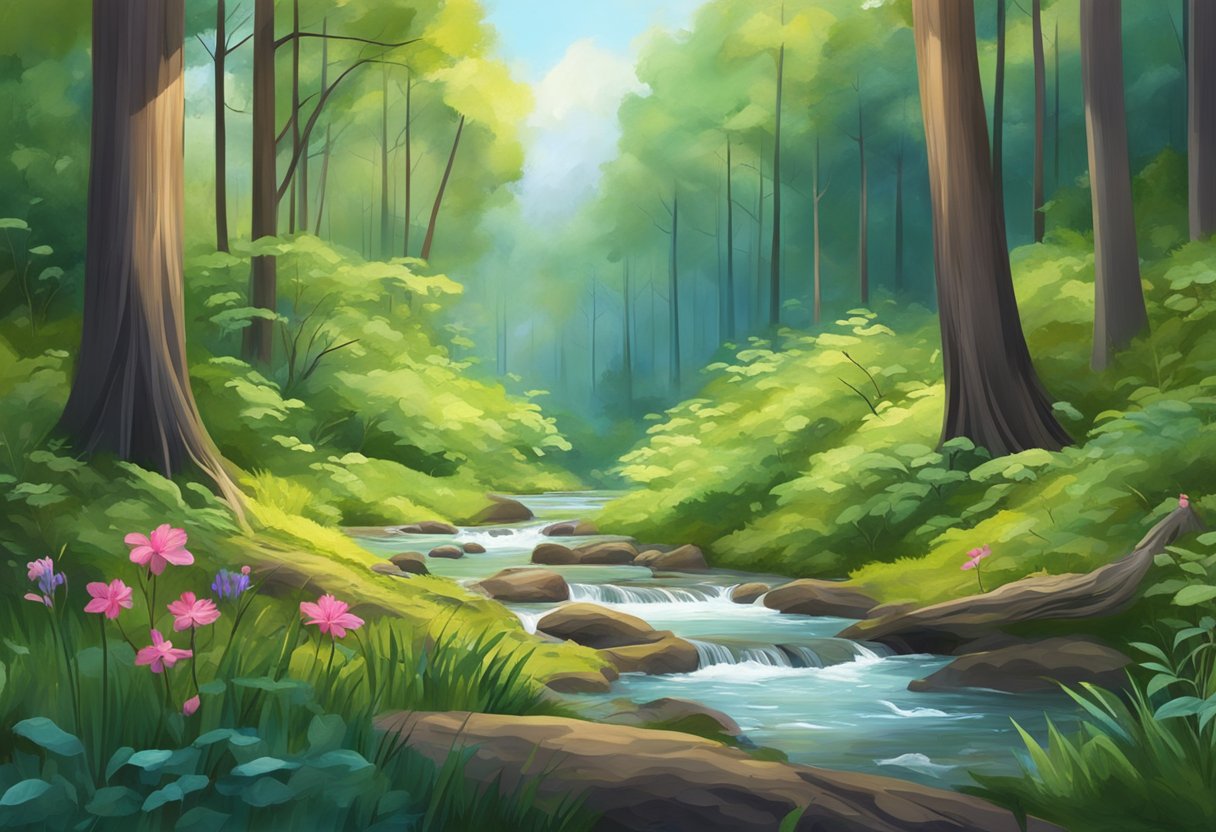
Navigating the journey of cancer not just once but twice has infused us with profound insight and a sense of camaraderie that transcends the individual struggle. As thrivers, we’ve unearthed a deep-seated potency that the untouched wilderness offers—reminding us that within us lies a resilience as enduring as the natural world itself.
Through the silent wisdom of the forests and the mountains, the echoing canyons, and the rushing rivers, we have found that serenity and strength often flourish in the solitude and simplicity nature provides.
This communion with the wilderness is a powerful catalyst in our lives, fostering confidence and fortitude in life’s challenges. We unite under the banner of survival, seeking support and therapy and engaging our spirits in the essence of living beyond diagnosis. For us men who have stared down the specter of cancer, the wilderness acts as both refuge and teacher, guiding us to integrate the lessons learned from our experiences into our daily routines.
Key Takeaways
- We gain resilience akin to the wilds while thriving with cancer.
- Wilderness experiences mold our confidence as we navigate life’s trials.
- Life after diagnosis is enriched through the wisdom found in nature’s embrace.
Wilderness Wisdom and Thriving with Cancer

Wilderness wisdom plays a critical role in the journey of cancer survivors, offering a sanctuary for emotional healing and physical rejuvenation. Our connection with the natural world can nurture our resilience as we face recovery challenges.
Embracing Adventure Therapy
Adventure therapy provides a dynamic way for us to regain strength and combat the feelings of helplessness that often accompany a cancer diagnosis. We learn to rebuild our self-efficacy and enhance overall well-being through structured outdoor activities.
Connecting with Nature for Healing
Nature acts as a restorative backdrop for healing. We find peace and mindfulness in the wilderness, allowing us to process emotions and achieve a sense of balance that indoor environments may lack.
Physical Activity and Cancer Recovery
Participation in physical activities within a natural setting can lead to improved fitness and reduced fatigue. Wilderness programs encourage us to push our boundaries, enhancing physical strength and quality of life.
Mental and Emotional Resilience
Wilderness therapy fosters mental health by teaching us coping mechanisms through unique challenges and reflective experiences. We cultivate gratitude and happiness, which in turn combat anxiety and depression.
Building Support Networks
We strengthen relationships and expand our support networks by engaging with others during wilderness programs. Sharing stories and challenges fosters deep connections and a sense of community among us as cancer survivors.
Programs and Retreats for Cancer Survivors
Participation in retreats and wilderness programs like First Descents offers us a chance to escape daily stresses, focus on healing, and develop kinship with fellow survivors. These programs tailor experiences that address our needs and promote our quality of life.
Cancer Thriver: Navigating Life Beyond Diagnosis

In our collective journey through cancer, we learn to embrace life with a resilience born of struggle and hope. Our path, marked by a shift from mere survival to thriving, becomes a testament to the enduring strength of the human spirit.
Understanding Cancer and Its Impact
Cancer touches not just our bodies but the essence of our being. We realize that its reach extends far beyond the physical symptoms, affecting our mental state, our presence at the moment, and the fabric of our relationships. It teaches us a harsh lesson about mortality, prompting a reevaluation of our health outcomes and what truly matters in our lives.
Medical and Therapeutic Care
Critical to our narrative is the expertise of oncologists and therapists whose guidance steers us through the complexities of medical care. From chemotherapy to mental health treatment, we hinge our hopes on their skillful intervention. They become our allies in the fight, pairing their knowledge with our will to beat the odds.
Incorporating Health Promotion Interventions
We harness the power of health promotion interventions, intertwining diet and physical activity into our daily regime. In this therapeutic context, we find strength and vitality, acknowledging the role each plays in not just surviving but thriving.
Gaining Knowledge from Survivor Stories and Resources
Thrivers like us find solace in the stories woven into books and echoed across websites. They hold a mirror to our experiences and reinforce our resolve. Together, we build a network, a community of fellow survivors who share their journey – each tale a unique beacon guiding us toward the future.
The Journey of Childhood Cancer Survivors
Our hearts hold a special place for childhood cancer survivors. We witness their progression with a mix of awe and admiration, mindful of the unique challenges they face as they carve a path into adulthood. Their resilience reshapes our understanding of what it means to overcome.
Assessing the Role of Journals and Reviews
Finally, we delve into the empirical, where journals and systematic reviews like those curated by the Joanna Briggs Institute or found via databases such as MEDLINE and Embase offer us a glimpse into the collective wisdom of medical research. With each scoping review, our knowledge deepens, letting us make informed decisions and adopt a perspective that keeps us grounded and hopeful.
In navigating life beyond a cancer diagnosis, we become wiser, not just about the wilderness of our condition but about how we can transcend it together.
Personal Development through Wilderness Wisdom

Wilderness wisdom guides us in personal growth and healing, offering a path to regain strength and foster resilience after cancer trials.
Boosting Confidence and Self-Efficacy with the Outdoors
In the embrace of the outdoors, we rediscover our inner strength. Studies like The Benefits of Wilderness Programs for Cancer Patients and Survivors affirm that activities demanding moderate-to-vigorous effort can lessen fatigue, fostering a new sense of self-confidence. As we overcome physical challenges, our belief in our abilities grows.
Learning Interpersonal Skills and Responsibility
Among the trees and open skies, we learn to communicate, to work together, and to rely on each other. Responsibility in a wilderness setting transcends individual needs, reinforcing interpersonal skills and enriching relationships with fellow survivors. Each step we take is a lesson in collaboration and support.
Developing Coping Strategies
Wilderness teaches us to handle uncertainties akin to those during our treatments. By confronting and adapting to unpredictable environments, we craft effective coping strategies. This control over our response to stress aids us in everyday life, reducing anxiety and fear.
Finding Safety and Trust in Wilderness Settings
Wilderness is both a sanctuary and a challenge. Organizations focused on cancer survivors, as detailed in Mapping the concept, content, and outcome of Wilderness Therapy, highlight the therapeutic impact of these environments. We build a circle of trust and find safety away from clinical settings together.
Enhancing Presence and Mindfulness
Natural settings urge us to live in the moment. Our mindfulness increases as we tune into the sounds of a flowing river or the rustling leaves. We learn to experience the present deeply, sharpening our presence and finding happiness in the simplicity of being.
Lifestyle and Habit Changes for Cancer Survivors
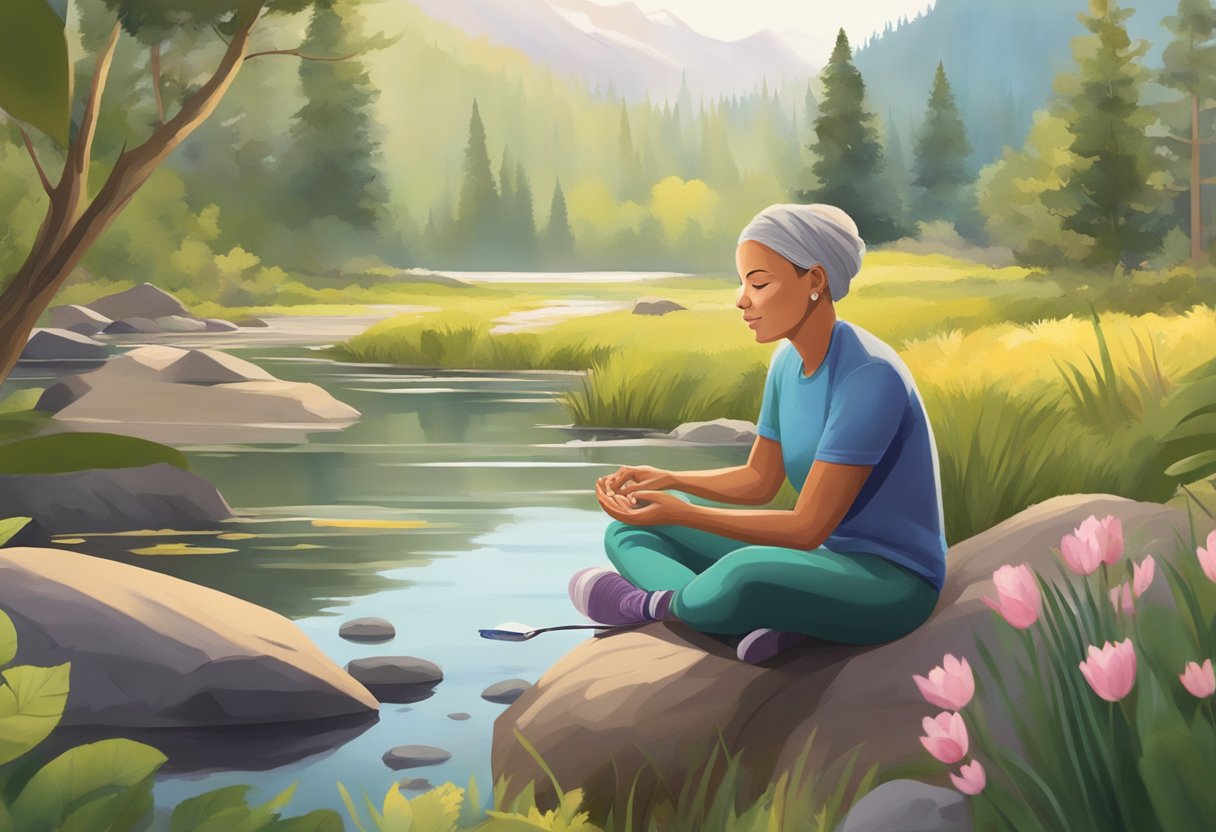
As survivors, we can reshape our lives with habits that bolster our well-being and fortify us against recurrent illness. Let’s explore tangible steps we can take.
Adopting a Beneficial Diet
We prioritize nourishment that fuels our recovery and sustenance. A balanced diet, high in nutrients, guards against weight fluctuations and equips us with energy. Ingesting foods with anti-inflammatory properties, like leafy greens and berries, aids in managing cancer-related fatigue and promotes healing.
Integrating Movement into Daily Life
We weave exercise into every day because consistent movement improves our strength, endurance, and mood. Whether it’s a morning walk or structured physical activity, we know even modest exercise can lead to meaningful health outcomes, enhancing our quality of life.
Reducing the Risk of Chronic Diseases
Through lifestyle changes, we aim to survive and thrive, mitigating the risks of chronic diseases. Focusing on balancing dietary fat and maintaining robust exercise routines, we monitor our health to prevent complications and ensure a brighter future.
Creating Sustainable Change for Quality of Life
Sustainability is our mantra. We learn from wilderness wisdom— how ecosystems adapt and thrive—to adopt changes we can live with in the long term. These practices include balanced meals and regular movement, which become parts of our lives we relish.
Evaluating Self-Management Techniques
We each become experts in managing our well-being. From engaging in therapy or counseling to mindfulness and stress relief techniques, we collectively discover the best methods to nurture our minds and bodies.
Engaging in Social and Recreational Activities
We forge connections through shared experiences, from camps to retreats designed for those battling cancer. Social involvement offers us relief, recreation, and the joy of building relationships supporting our journey.
By embracing these principles, we confront cancer and build a life rich with purpose and camaraderie, setting a course for a healthier future together.
The Science and Research of Cancer Survival

We venture into science and research to shed light on how survival extends beyond medical treatments, encompassing ecological therapies and the lived experiences of cancer thrivers.
Investigating Scientific Literature
We meticulously examine scholarly articles, which are critical to picture cancer survivorship comprehensively. These articles often utilize Medical Subject Headings (MeSH) on databases like MEDLINE, EMBASE, and PsycINFO to enable precise retrieval of related studies. They provide us with structured and peer-reviewed information that forms the backbone of our understanding.
Understanding Ecological Concepts in Cancer Care
Our survival journey intertwines with ecological elements, viewing nature as a therapeutic context. We recognize that the environment plays a vital role in healing. This insight is garnered from numerous systematic reviews highlighting nature’s impact on recovery and well-being.
Leveraging Systematic Reviews for Informed Decisions
Systematic reviews in repositories such as Scopus and Web of Science are instrumental for us. They synthesize findings from various studies, offering evidence-based conclusions that inform decisions in wilderness-based therapy practices. The Joanna Briggs Institute guidelines have been particularly useful in ensuring the reviews we rely on adhere to rigorous standards.
Exploring the Cancer-Thriver Perspective
We see our experience through the lens of a cancer thriver, a term that signifies not just survival but flourishing despite our diagnoses. Engaging in therapy that involves wilderness experiences taps into our emotions and fortifies our relationships. The resilience in our narratives fuels research interest, as evident in sociological abstracts and studies focused on the concept of “cancer thriver.”
Conclusion
We face a journey that reshapes our lives after a cancer diagnosis. In our battle and subsequent triumph over lymphoma, not once but twice, we’ve discovered the extraordinary power that lies in wilderness wisdom. We know the terrain is tough, but we’ve learned that we sharpen our resilience by integrating exercise, mindfulness, and a deep sense of gratitude into our lives.
Our treks into the wild serve as a mirror for our inner strength, teaching us that every step forward enhances our quality of life. As we breathe in the fresh air, we become acutely aware of the present moment, anchoring ourselves in mindfulness. Simple acts, such as jotting down daily gratitudes, reinforce our appreciation of life’s gifts, however small.
Looking ahead, we envision a future where every survivor harnesses these lessons from nature to foster healing and hope. We stand with you, our brothers, in this fight, knowing this path can lead to a more vibrant existence.
Our shared experience has taught us that emotional and physical well-being thrives when we embrace the outdoors as a sanctuary for healing and reflection. Let’s carry this wisdom with us, creating a legacy of health and vigor for all men walking this path. Together, we redefine what it means to live well after cancer.
Cancer Survivors
We, as survivors, understand the journey from a unique perspective. The shock of a cancer diagnosis shakes our world, leaving us to grapple with uncertainty. Yet, we find solace through support and therapy, including innovative approaches like wilderness programs. Such programs often intertwine hiking with mindfulness and group sessions, enhancing our mental health and physical activity.
Exercise builds our strength incrementally, bolstering not just muscles but also our confidence. Programs specifically designed for those like us dealing with the aftermath of cancer focus on self-esteem and quality of life. Courageously, we forge connections in the face of fatigue, often sharing stories reinforcing our resilience.
Navigating through therapy, we confront fear and pain, gradually replacing them with happiness and gratitude. Our therapists guide us as we seek a balance between safety and pushing our boundaries in controlled environments like camps and retreats. These settings are not just about treatment but about becoming thrivers in our future.
Our collective experience creates a fabric of relationships, fostering a network where trust in medical care, shared emotions, and interpersonal skills flourish. Such peer support acts as an anchor, alleviating anxiety and depression and offering glimpses into a future filled with potential.
Conversations with oncologists and counselors merge with adventure therapy to address the whole person. We learn about diet, health outcomes, and physical activity, detailed in survivorship books and on helpful websites. We encounter animals that bring calm and movement that signals progress. Through wilderness therapy, we realize that our label as survivors is just one facet of our progression.
Each step, each hike, and each shared story amplifies our bond and confidence. We are not just survivors but a community finding our path forward together.
Support
When we grapple with cancer, mainly as men who’ve faced lymphoma, the value of a strong support system becomes crystal clear, bonds with family, friends, and survivor groups offer us a foundation to stand firm against our trials. Together, we rally a network that fortifies us through each challenge.
Solidarity Through Companionship
- Lean on loved ones for routine respite and candid conversations.
- Forge connections with fellow survivors who relate to our struggle.
- Embrace social groups geared towards male cancer fighters.
Navigating Tough Waters with Teamwork
- Combine forces with peers to exchange strategies that have eased our journeys.
- Participate in community activities to maintain a sense of normalcy and camaraderie.
Encouragement Fuels Our Resilience
- Gather strength from the encouragement of peers who’ve walked in our shoes.
- Uplift others by sharing our success stories, offering a lantern of hope in their dark times.
By channeling our collective experiences, we open doors to mutual healing and enrich our lives with purposeful interactions. This unity brings a comforting certainty that we are never alone in our battles.
Therapy
In our journey as survivors, we’ve learned that therapy is vital to healing. From personal experience, twice beating lymphoma has taught us that treatment extends beyond the hospital room. It involves holistic care that supports our mind and body, addressing anxiety, depression, and the many emotional hurdles we face.
Coping Strategies
We utilize a variety of techniques to manage the stress of medical treatments:
- Mindfulness Practice: Focused breathing and mindful meditation
- Exercise Regimens: Tailored activity plans that fit our physical condition
Mental Health Treatment
Our road to wellness includes professional support through:
- Counseling: One-on-one sessions with a therapist to talk through fears and worries
- Group Support: Solidarity with other men facing similar challenges promotes a sense of community
Medical Care
Keeping up with doctor appointments and medication schedules is non-negotiable. We must stay diligent with the following:
- Follow-up visits
- Treatment reviews
- Proactive communication with our healthcare team
We encourage one another to seek therapies that align with our needs and preferences. This may involve traditional counseling or unique approaches like wilderness therapy, which has been observed to benefit childhood cancer survivors and may offer insights for us as well.
We offer a hand to those new to this battle by sharing our strategies and stories. Together, we build resilience in the face of cancer and foster an environment where our mental health is given the same priority as our physical healing.
Final Thoughts…
As we reflect on our journeys through the wild terrain of cancer, especially as men who’ve been tested by lymphoma, we learn that strength isn’t just physical; it’s carved from the resilience of the human spirit. We have faced the storm, weathered its fury, and emerged with a deeper respect for the fragility and wonder of life.
- Lessons from the Wilderness:
- Embrace each day with gratitude
- Share our stories, offering guidance to those navigating similar paths
- Support each other unconditionally, understanding that our battles are unique yet connected
We have learned that solidarity is our most powerful ally. Our narratives interweave in talks around campfires or during long hikes, shedding light and warmth on the less-trodden paths. We offer a map drawn from experience, marked not by the steps we’ve taken but by the obstacles we’ve overcome.
With an earnest desire to lighten the load for our brothers in this fight, we form a brotherhood that transcends diagnosis. Our combined wisdom is a beacon for those lost in the initial shock of their battle. Through this offering, we find solace and strength, proving that the most profound wisdom can bloom from challenging experiences.
In this brotherhood, our collective experiences are the compass that guides us, and our shared perseverance is a testament to the indomitable human spirit. Together, we journey forward, armed with the wisdom of the wilderness and a relentless will to thrive. -T
Frequently Asked Questions
In this FAQ, we’ll address some crucial inquiries surrounding stage 4 cancer, from survival strategies to the role holistic methods play alongside conventional treatments.
What strategies contribute to longer survival rates for stage 4 cancer patients?
As survivors, we find that embracing a multidisciplinary approach to treatment significantly boosts our chances. Medical advances, personal resilience, and tailored care plans sustain our fight.
Can patients with stage 4 cancer achieve remission, and what factors influence it?
Though challenging, remission is attainable. Factors like early detection, ongoing medical innovations, and individualized therapy regimens are pivotal in navigating us toward this hopeful outcome.
What dietary modifications might support overall health during cancer treatment?
Adjusting our diet to include nutrient-dense foods gives us strength and may alleviate treatment side effects. Consulting with a nutrition expert ensures our choices align with our unique health needs.
How can holistic approaches complement traditional cancer treatments?
Holistic methods such as mindfulness and therapeutic activities augment our well-being. These practices can provide emotional balance and enhance our body’s response to traditional treatments.
What are the statistics for stage 4 cancer survival across different types of cancers?
Survival statistics vary widely among different cancer types. Nevertheless, ongoing research and personalized treatment strategies are improving these numbers, giving us a reason to hold onto hope.
What advancements in treatment are offering new hope to those with late-stage cancer?
Recent breakthroughs in targeted therapies and immunotherapies are revolutionizing our treatment options. These advancements offer us a promise of extended survival and improved quality of life.
