

Embracing New Beginnings After Healing

Transitioning from a cancer patient to a cancer thriver marks a new chapter in a journey filled with resilience and recovery. As survivors, we embrace this stage with a sense of empowerment, looking beyond the hardships we have endured to forge a path toward ongoing well-being.
We acknowledge that the fight against cancer redefines our physical and emotional landscapes, but we also recognize our collective strength in moving forward.
Support from fellow survivors, especially for us men who’ve faced cancer, proves invaluable in navigating life beyond treatment. We discover the importance of shared experiences and the comfort they bring, reinforcing our belief that we are not alone in this fight. A network that understands our unique challenges facilitates our healing process and encourages a proactive approach to our new normal.
With mindfulness and self-care, we continue to improve our quality of life, balancing the pursuit of physical health with the need for emotional peace. Our stories, tinged with grit and determination, pave the way for others as we offer insights and guidance to those still in the throes of their battle.
Key Takeaways
- Embracing the thriver stage means turning adversity into a source of empowerment.
- Shared experiences within a supportive community provide comfort and strength.
- Balancing physical health with emotional well-being is crucial for continued recovery.
Understanding Cancer

Cancer represents a group of diseases characterized by abnormal cell growth with the potential to invade or spread to other parts of the body. We, as survivors, have navigated this terrain, coming out more aware and ready to support others on this journey.
Cancer Diagnosis: When cells divide uncontrollably, they can form masses called tumors. Not all tumors are cancerous, but when they are, it’s the start of a battle we know we can confront. The diagnosis comes after careful assessment, including biopsies, imaging, and blood tests.
Oncologist Guidance: Oncologists are our allies in this fight. Their expertise in cancer biology and treatment options guides us through tailored approaches to combat the disease. They often use a combination of surgery, radiation, and medications like chemotherapy.
Treatment Journey: Chemotherapy, while often effective, can come with side effects. We brace ourselves for this part, remembering that our goal is to heal and emerge stronger. Responding to treatment varies; some of us succeed with the first line of therapy, while others might need additional or alternative treatments.
As we close this chapter, we recognize the valiant effort put forth in confronting cancer. While our past illness does not define us, the experience has gifted us with a unique empathy to support fellow men facing similar challenges. We stand ready to guide, share, and uplift, marking a collective stride toward recovery and health. Now, we look forward to the next stage of survivorship, equipped with knowledge and a shared resolve to thrive beyond cancer.
The Thriver’s Journey

Our journey through cancer is not just a test of physical endurance but a voyage that reshapes our entire being. As survivors who have faced the harrowing waves of lymphoma, we now navigate the nuances of living beyond the disease, fostering solidarity among men on similar paths.
Diagnosis and Treatment
Upon hearing the diagnosis, our world stood still. The path ahead beckoned with a demanding list of treatments, each step a delicate dance between hope and reality. We braced for chemotherapy, its name whispering promises of healing amid the toll it would take on our bodies.
- Chemotherapy: A regimen that involves potent drugs to kill cancer cells
- Radiation: High-energy rays targeted to eliminate cancerous growth
- Immunotherapy: Treatment that engages our immune system to fight the disease
Survival and Remission
Surviving cancer leaves us with a scar, invisible yet palpable, marking the moment we stepped into remission. As survivors, we gauge the absence of cancer carefully, balancing vigilance with the pursuit of rebuilding a life disrupted by illness.
- Regular Check-ups: Essential to detect any recurrence early
- Emotional Healing: Support groups and therapy sessions assist in coping with the aftermath of cancer treatment
- Physical Recovery: Adopting an active lifestyle enhances stamina and strength
Thriving Beyond Cancer
To thrive after cancer means to embrace the chapters of life anew with resilience and a vision for the future. Our experiences arm us with empathy, driving us to support fellow thrivers. We exchange tales of triumph at support meetings and mentor new survivors, guiding them through the intricacies of life after cancer.
- Peer Mentorship: Offering guidance and support to those recently diagnosed
- Advocacy: Promoting awareness and leading initiatives to support cancer research
- Community Engagement: Participating in sports events tailored for survivors, celebrating every victory.
Our collective passage through adversity unites us. We stand as pillars for others, sharing our learnings and fostering a community rooted in support and unwavering hope. The thriver’s journey is our shared narrative, a testament to the strength found in unity and perseverance.
Support and Community
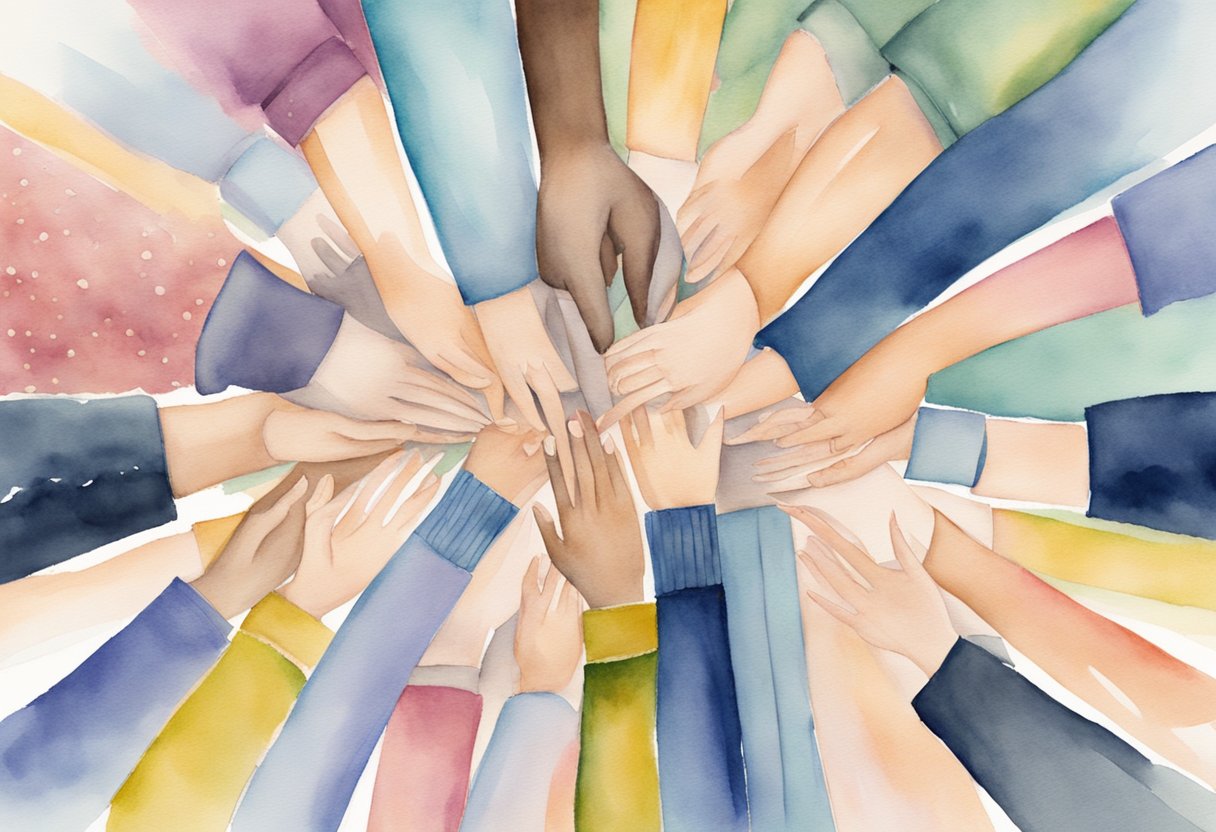
Our journey through cancer, especially for us as men who have faced lymphoma, forges a unique camaraderie. We’re stronger together, and this truth shines in the robust community and support networks that buoy us during and after treatment.
We find comfort in family and friends, recognizing their care as a cornerstone of our resilience. Indeed, their involvement is not mere presence but active participation in our path to wellness. Let’s celebrate each embrace and each conversation as a step toward our collective healing.
Further extending this network, support groups harmonize our experiences, creating spaces where we share trials and triumphs. Here, we bond with those who truly understand, with fellow survivors acting as beacons of hope. Interactions in these groups foster a sense of belonging, effectively easing the isolation that often accompanies cancer diagnosis and treatment.
Moreover, contributions from community initiatives serve as a testament to human kindness. Whether by advocacy or volunteering, these actions amplify our voices, propelling the message that while we sail these waters, no one must navigate them alone. Through these communal efforts, we open doors for conversations about survivorship and adaptation to life post-cancer.
In summary, the pillars of support and community stand tall in our lives, heralding an era where we shift focus not to what cancer took away but to what we’ve gained: a network of unwavering solidarity and the chance to commence a new chapter, thriving with and for each other.
Emotional Well-Being

As survivors, we understand that triumphing over lymphoma transforms our inner world just as profoundly as it does our physical being. Emotional well-being becomes our steadfast companion on the road to recovery. Together, we find solace in shared resilience and the promise of renewal that hope brings to each day.
- Hope acts as our anchor, steadying us when the waves of uncertainty hit.
- We recognize and manage a spectrum of emotions, celebrating each moment of joy and acknowledging the tears.
- Facing depression, we seek support proactively, recognizing it as a natural, treatable response to our journey.
- Anxiety no longer controls us—we learn techniques to calm the storm within.
- Our self-esteem flourishes as we embrace our stories of survival, wearing our scars as badges of courage.
Practical Strategies We Employ
- Connect: Engage with fellow survivors; their strength reinforces our own.
- Express: Through words, art, or movement, we let our feelings flow.
- Nourish: Good nutrition supports body and mind, a foundation for healing.
- Breathe: Simple breathwork can center our thoughts, easing tension.
- Move: Regular activity boosts our mood and fortifies self-regard.
We stand united as men who have wrestled with cancer, emerging not just as survivors but as thrivers. It’s time we embrace the next stage of our journey, carrying forward the lessons of emotional well-being that have bolstered us thus far. This isn’t just a personal victory; it’s a beacon for all men navigating their paths to recovery.
Physical Health and Lifestyle

As survivors, we know firsthand that combining regular exercise with a nutritious diet forms the pillars of a healthy post-cancer life.
Exercise and Activity
We see exercise as a celebration of what our bodies can achieve instead of a chore. Structured physical activity can help reduce fatigue and improve overall health. A study suggests that moderate exercise enhances quality of life for cancer survivors. It’s crucial to engage in activities we enjoy, whether swimming, walking, or yoga, to help manage weight and reduce the risk of conditions like lymphedema.
- Weekly Exercise Goals:
- Aim for at least 150 minutes of moderate aerobic activity.
- Include muscle-strengthening exercises twice a week.
Walking is an excellent way to start, as it’s low-impact and can be adjusted to our fitness level. We can gradually build intensity, remembering to listen to our bodies and rest when needed.
Diet and Nutrition
We nourish our recovering bodies with fruits and vegetables, striving to reduce processed meat and excess fat in our meals. Research found that a diet high in plant-based foods and lower in processed foods can support long-term health in cancer survivors.
- Dietary Recommendations:
- Fill half our plate with vegetables and fruit: The fiber, vitamins, and minerals support healing.
- Choose whole grains over refined foods: They provide sustained energy and help manage weight.
- Limit processed meats: These can be high in salt and preservatives, which aren’t conducive to our recovery.
Each meal allows us to build our strength and vitality, selecting foods that support our bodies’ needs. We focus on balance and moderation, relishing the flavors that nature provides.
Long-Term Management
As survivors, we turn a new page, embracing the following stages of life with vigilance and resilience. Now, our focus shifts to maintaining our health and staying ahead of any potential challenges. With the right strategies, we can continue to thrive.
Monitoring Progression
We’ve learned to live with our new normal, and regular check-ups are a central part. We ensure our cancer remains in No Evidence of Disease (NED) status. This calls for a structured schedule of scans and blood tests tailored to our personal history of lymphoma. Clinicians provide us with a comprehensive plan to monitor for any signs of recurrence. We stay proactive, attending every appointment since consistent surveillance significantly reduces our risk of recurrence.
Coping with Recurrence
The possibility of cancer’s return looms, a reality we face with courage. Should relapse occur, we arm ourselves with the latest treatments and a supportive network. We recognize that surviving cancer doesn’t just happen once; it’s an ongoing commitment to overcoming the obstacles in our path.
Being informed about potential signs of recurrence and having an action plan can substantially affect how effectively we respond. We keep abreast of new therapies and lifestyle modifications that can bolster our defenses and provide a beacon of hope for us and our fellow survivors.
Personal Stories and Experiences
Our journey through cancer shapes us in profound ways. As a group that has faced lymphoma head-on and emerged twice with a new lease on life, we understand the gravity of the experience. Cancer grips not just the body but also the spirit, and we’ve become a testament to the resilience that defines us as survivors.
Our Shared Battles:
- Diagnostics: The moment of diagnosis remains etched in our memories, a point from which our battle plans took shape.
- Treatment: Through chemotherapy, radiation, or surgery, we shared the physical challenges and the emotional toll these take.
- Support Systems: We relied on our families, friends, and fellow survivors for strength.
We pride ourselves on being a lifeline for other men who stand where we once did. The solidarity found in shared struggles provides comfort when the path seems impossible. We know the significance of guidance and aim to offer a helping hand, for pursuing an enhanced quality of life drives us.
We talk less of battles and more of the lessons gleaned from our cancer experience—each scar, a story; each setback, a stepping stone to more extraordinary things. It’s time we embrace the next chapter, focusing on survivorship and how we can translate our evidence of survival into hope for others.
In solidarity as thrivers, we move forward, no longer defined by cancer but by the vigor with which we approach life beyond it.
Resources and Guidance
After facing lymphoma twice, we’ve learned that a comprehensive support system is crucial for moving forward. Books like The Definitive Guide to Thriving After Cancer shed light on lifestyle changes that bolster our bodies and minds (integrative approaches to survivorship). Programs from organizations such as the American Cancer Society offer continuous backing and peer support (survivor support).
We must maintain regular screening to detect any changes in our health at the earliest. Medical care evolves, and staying abreast of the latest developments can empower us. Here’s a quick reference to guide us through the myriad of resources:
- Medical Support
Consultations with a counselor or therapist to navigate emotional recovery.
Regular check-ins with our medical care team to oversee physical health. - Learning and Development
Engage with books and literature for insights and personal stories.
Attend workshops focused on wellness and survivorship. - Holistic Approaches
Incorporate practices like meditation or physical activities adjusted to our new thresholds.
We glean strength from shared experiences. Let’s tap into available resources and carve out a path to a fulfilling life after cancer. Together, we can embrace this new chapter with confidence and the collective wisdom of a community that understands.
Final Thoughts…
After overcoming lymphoma not once but twice, we recognize the resilience it takes to reach this stage. We share a collective journey, each stride marking a triumph over the immense challenges cancer places before us. As we embrace the next stage of our survivorship, it’s vital to acknowledge that our experiences are unique, yet an unspoken bond of strength and support unites us.
We, as survivors, have discovered new dimensions of self-care through these trials. Our spirit has grown robust through engaging in physical activities that resonate with our personal preferences, whether swimming laps at dawn or enjoying the camaraderie of a basketball game. These pursuits aid in our emotional recovery while bolstering our physical health.
Our Support System:
- Family and friends
- Fellow survivors
- Healthcare professionals
Positive Habits We Cultivate:
- Regular exercise
- Nutritious eating
- Mindfulness practices
As we navigate life post-cancer, let’s remember to reach out to those around us. Sharing our tales of tenacity can light the path for others. Our words can offer a beacon of hope, a confirmation that life retains its vibrancy and purpose beyond cancer.
In times of doubt, recall our shared victory. Let us continue to live with the assurance that arises from conquering what once seemed an insurmountable foe. It’s our time. Let’s seize it with hands ready to grasp new opportunities, hearts open to genuine connections, and minds eager for the untold adventures that await us. -T
Frequently Asked Questions
As we progress in our journey, it’s natural to seek understanding about the path ahead. We’re here to share insights on some of the most pressing questions that may weigh on our minds.
What is the likelihood of recurrence for cancer survivors?
Ours is not a path of guarantees but one paved with statistics and probabilities. Certain types of cancers do carry a risk of coming back, and this risk varies with the kind of cancer and the interventions we’ve received. Frequent check-ups and monitoring are vital to catch and address any signs of recurrence early.
Which dietary choices can reduce the risk of recurrence?
Fueling our bodies correctly helps us in the fight. Diet matters—and evidence suggests that a diet rich in fruits, vegetables, and whole grains, while low in processed foods and red meats, can be a favorable ally in our endeavor to prevent recurrence.
How long can patients survive after cancer treatment?
Survival time after treatment can span a broad spectrum. Advances in medicine have substantially improved survival rates, and many of us can look forward to years, even decades, of fulfillment post-treatment. It’s a testament to how far we’ve come and a beacon of hope for what lies ahead.
Is there a possibility of recovery from stage 4 cancer?
Indeed, there are cases where individuals outlive the odds, even with stage 4 cancer. While recovery can be more challenging, breakthrough treatments and clinical trials continually broaden our horizons, offering us new life rafts in seemingly deep waters.
What lifestyle changes can help maintain health after cancer treatment?
Post-treatment life calls for a dedication to health that includes regular exercise, a balanced diet, and mental wellness practices. As we lace up our shoes for a morning jog or join a local sports team, we’re not just building strength; we’re crafting a foundation for sustained well-being.
How can cancer thrivers emotionally cope with the fear of recurrence?
Facing our fears, we find strength. Open discussions in support groups, professional counseling, and mindfulness practices like meditation and yoga provide us solace and build our emotional defenses. This shared strength empowers us to live fully despite the uncertainties of remission. You must ask yourself, “Did I make the most of today and live it to the fullest?”
