

Embracing Emotional Healing
Navigating the journey of cancer survivorship is a complex process that requires not only medical attention but also a supportive psychological framework.
As survivors, we understand that overcoming cancer doesn’t end with remission. The challenges persist beyond the physical, encompassing emotional and social facets of our lives that need ongoing support.
This is where humanistic counseling can play a pivotal role. It tailors the support to the individual, addressing the unique feelings, thoughts, and experiences that arise during and after cancer treatment.
Emphasizing empathy and personal growth, this form of counseling nurtures our psychosocial health, which is crucial for our overall wellbeing.

With humanistic counseling, survivors engage in a therapeutic partnership where our voices are heard, and our narratives are respected.
The approach fosters a space for us to process our experiences, make sense of what we’ve gone through, and re-envision our lives post-cancer.
It becomes precious for us men, who may grapple with societal expectations of stoicism.
In this context, humanistic counseling encourages us to express vulnerabilities and cultivate resilience within a supportive and confidential environment. This reinforces our social support networks and aids in the management of post-treatment health.
Key Takeaways
- A supportive psychological framework is essential in cancer survivorship.
- Humanistic counseling nurtures psychosocial health by emphasizing empathy and personal growth.
- Expressing vulnerabilities and cultivating resilience is critical for survivorship care planning.
Understanding Cancer Survivorship
Survivorship begins the moment one is diagnosed with cancer and continues through the entirety of life.
It’s a journey that includes not just the physical aspects of battling the disease but also embraces the emotional and social facets of living after cancer.
Defining Survivorship
For us survivors, survivorship delineates the complex experience that follows a cancer diagnosis. We enter a new realm that is no longer just about enduring treatments but about enhancing our quality of life afterward.
A survivorship care plan is a pivotal part of this phase. It offers a structured roadmap for monitoring our ongoing health needs.
Challenges Faced by Survivors
Our journey as cancer survivors is not without its hurdles. We face many challenges, from managing lasting physical symptoms to emotional upheaval.
Many of us grapple with:
- Physical Challenges: Persistent fatigue, pain, and the vigil for recurrence.
- Psychological Struggles: Anxiety and depression often lurk in our shadows, making it hard to reclaim peace of mind.
- Social Dynamics: Maintaining relationships can be strenuous; sometimes, we feel isolated from family and friends.
For men, these challenges can be compounded by societal expectations to remain stoic. We navigate these waters resiliently, seeking empathy and understanding over simple fixes.
Our shared survivorship experience weaves a tapestry of stories — tales of battles fought and ongoing struggles, but also of triumphs and the relentless pursuit of a life well-lived post-cancer.
Humanistic Counseling for Survivorship

We understand that humanistic counseling plays a crucial role in the emotional and psychological welfare of men navigating the aftermath of cancer.
It’s a pathway toward healing, emphasizing personal growth and connection after the trials of illness.
Principles of Humanistic Therapy
Humanistic therapy centers on our inherent potential for self-discovery while reaffirming our autonomy.
It’s built on the belief that we all can overcome challenges with an atmosphere of empathy and acceptance.
As survivors, we notice this approach fosters a deep sense of self-awareness and empowers us to find new meaning in life post-cancer.
- Empathy: Therapists offer a sincere understanding of our emotional state, paving the way for genuine healing.
- Autonomy: Affirming our ability to direct our own lives empowers us as survivors to tackle post-treatment challenges.
- Growth-Promoting: It’s not just about survival; it’s about thriving. The therapeutic journey encourages us to unlock our fullest potential.
Applying Humanistic Approaches
Using humanistic approaches involves techniques that prioritize our personal experiences and emotions.
Counselors focus on creating a safe, non-judgmental environment where we can express ourselves candidly and work together to navigate our survival journey.
- Active Listening: Counselors deeply engage with our experiences, making us feel heard and validated.
- Holistic Focus: Therapy goes beyond just coping mechanisms, aiming to heal every aspect of our being—mental, social, and emotional.
As lymphoma survivors embark upon this therapeutic journey, we realize that the compassion received plays a critical role in our ability to push forward.
It’s a therapy that encourages self-reflection, provides unwavering support, and helps us reconstruct our life narratives as we walk the path to recovery together.
Psychosocial and Emotional Wellbeing

As survivors, we are familiar with the deep psychosocial impact cancer leaves in its wake, with many of us grappling with layers of emotional turmoil and the necessity for post-recovery support for our mental health.
Dealing with Emotional Aftermath
After surviving lymphoma twice, we understand all too well that the emotional consequences extend well beyond the physical toll of the disease.
Depression and anxiety are not just words in our vocabulary; they are palpable experiences that can manifest in persistent worry, deep sadness, and even isolation.
The encounter with cancer shifts our daily lives into a cycle of psychosocial distress, making it vital for us to seek empathetic care that recognizes our unique experiences.
Honest dialogues with fellow survivors or trusted healthcare providers can be a profound step towards mending our emotional wellbeing.
Building Resilience
Resilience is more than a buzzword for us; it’s a testament to our survival and strength.
We can actively participate in sports or undertake physical activity to foster wellbeing. These act as a catalyst for mental vigor and self-esteem.
Sharing our stories can empower others and reinforce our sense of purpose.
Our focus on mental health should include regular check-ins with specialists who can offer strategies to combat distress, personalized to cater to us, the men who face this journey.
Supporting one another, we reinforce a network of care, which is vital in sustaining life and the quality of life we each deserve.
Social Support Networks
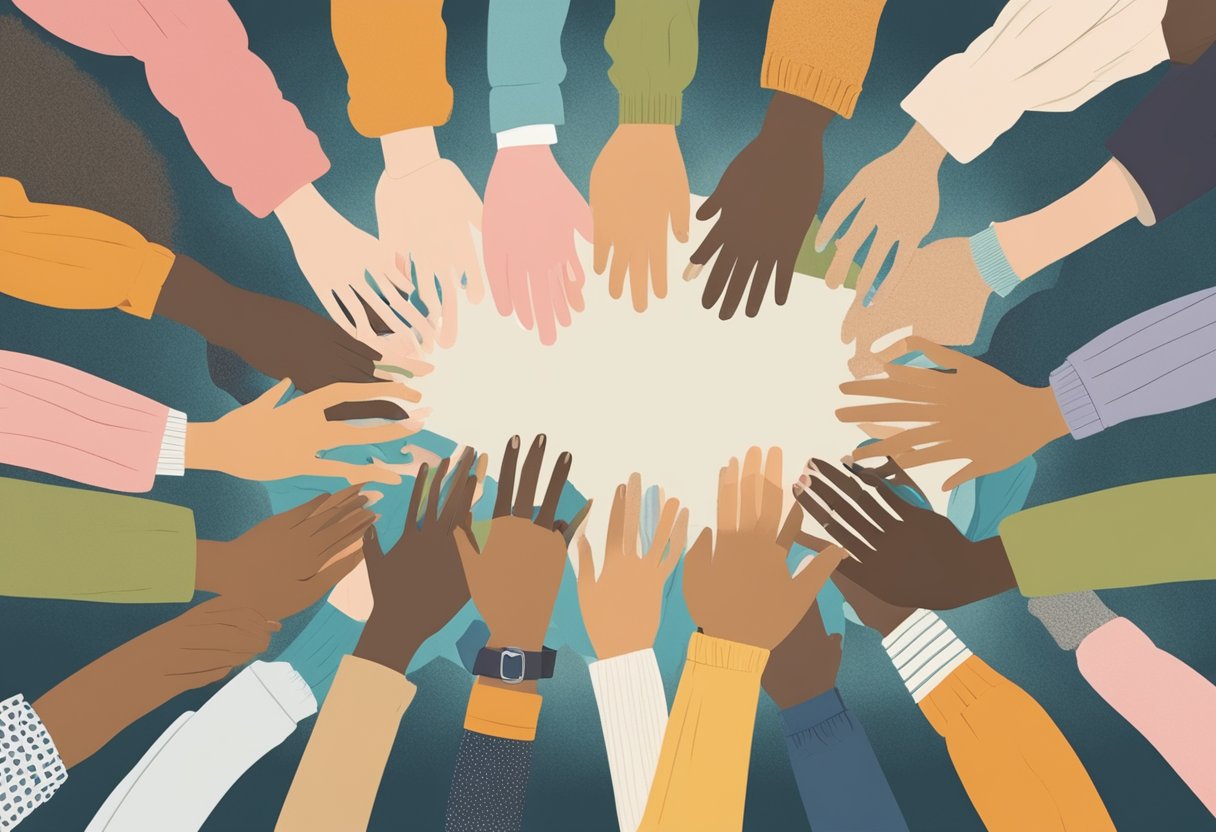
In the journey of cancer survivorship, we find strength and solace through our social support networks, which are vital for navigating the emotional and practical challenges of post-treatment life.
Role of Family and Friends
Our families and friends provide a foundation of support, offering emotional sustenance and practical aid.
They are our confidants and cheerleaders, often taking on roles as caregivers.
As survivors, our bonds with these individuals can deepen, and their presence becomes a source of courage as we tackle the uncertainties that follow treatment.
- Emotional Support: Family and friends offer a listening ear and a comforting presence. Their understanding can boost our mood and outlook.
- Practical Help: Day-to-day tasks can be overwhelming. Loved ones often assist with household duties, transportation, and medical decision-making.
Sometimes, family and friends might seek guidance from professionals such as social workers who can equip them with strategies to support us better.
The insights from the influence of social networks on cancer survivors’ self‐management show how integral these connections are to our wellbeing.
Community and Support Groups
Beyond our immediate circle, community resources and support groups offer a broader network where we share experiences and gain insights from others who have trod similar paths.
- Support Groups: Groups of fellow survivors create a unique space to speak freely and be understood intimately. They provide reassurance and impart a sense of camaraderie.
- Community Resources: Local organizations and events can offer therapeutic activities conducive to healing. Participation in these groups is a reminder that we are not alone.
In particular, studies like those in the Wiley Online Library have documented the benefits of being part of a cancer peer support network. They underscore the shared strength we discover when we connect with peers.
Managing Post-Treatment Health

After grueling rounds of treatment, we stand at a crossroads, facing the need to rebuild our lives and mend the wear and tear on our bodies.
It’s a journey marked not just by the physical and cognitive hurdles, where nurturing a spirit of wellbeing becomes as vital as the air we breathe.
Physical and Cognitive Rehabilitation
Our bodies may surprise us with their resilience, but the aftermath of cancer treatment often leaves us grappling with late effects like fatigue.
To counter these, structured exercise regimens geared towards men can bolster endurance and strength.
We focus on routines that respect our body’s limits while challenging them enough to foster recovery.
Physical therapists become allies, mapping out exercises that coax muscle and bone back to health.
Cognition can take a hit, too. We sometimes reach for words that once came quickly or grapple with memory slips.
Combatting this, cognitive rehabilitation programs offer tailored exercises that sharpen recall and improve mental acuity.
Lifestyle Changes and Wellness
Our fight with lymphoma has taught us that surviving is more than outlasting a disease; it’s reshaping our existence so that wellness becomes a core tenet.
We embrace lifestyle changes, knowing they are not quick fixes but cornerstones of a sustainable future.
Our diet transforms, now packed with nutrient-dense foods that energize and heal us. Plates brimming with antioxidants and fibers become our norm, with careful attention to nutrition that supports our unique needs.
Moreover, we learn that rest is not merely a pause but an active part of our healing. We prioritize sleep, understanding it replenishes us like nothing else can.
We decipher the language of our fatigue and respect its message, carving out time to recharge.
Throughout this, we are united by a shared goal: to foster a healthy lifestyle that honors the body’s capacity for renewal and the mind’s potential for growth.
Survivorship Care Planning
Survivorship care planning is a crucial roadmap for us as we navigate life post-cancer. It outlines our medical history, treatments, and future check-ups to ensure continuity of care.
Roles of the Oncology Team
Our oncologists and the oncology team are pivotal in crafting a survivorship care plan with a detailed treatment summary.
This plan ensures we know the exact nature of our treatment, its duration, and potential side effects we may encounter.
Our oncologists collaborate with primary care providers to create a seamless transition from cancer treatment to survivorship.
They ensure that all our health needs are met with understanding and compassion.
Continuity of Care in Survivorship
After enduring and overcoming lymphoma, we recognize each day as a gift and a new chance to thrive.
Continuity of care is essential for us, ensuring our unique health concerns are recognized and addressed over time.
It is comforting to know that our primary care providers are always informed about necessary follow-ups and the potential late effects of our treatments through our survivorship care plan.
This ongoing attention allows us to maintain our health vigilantly and with hope, staying on top of any changes that might affect our long-term wellbeing.
Navigating Life After Cancer
After the rigors of treatment, entering remission ushers us into a transformative phase. We face the task of reintegrating with the world and embracing our new normal, often testing the limits of our resilience and optimism.
Returning to Work
Returning to the professional environment can be a complex transition. We forge paths back to our careers with a blend of anticipation and apprehension.
As we step into our roles, survivorship programs serve as vital support networks, guiding us through this reintegration process.
They offer strategies for managing workload and coping with fears of recurrence, which can loom large as we aim to regain professional momentum.
Initial Steps:
- Engage with a survivorship program for tailored advice.
- Plan a gradual return to work if feasible.
Continued Support:
- Maintain regular follow-up care to ensure wellbeing.
- Foster open communication with employers about our needs and limitations.
Looking Ahead: Living the New Normal
Living the new standard means adjusting lifestyles and perspectives.
We cherish remission, yet our journey does not conclude here. Relating to other survivors, particularly men who may face unique emotional battles, creates a camaraderie that nourishes our collective spirit.
As we look ahead, we set realistic expectations for ourselves, knowing life has undeniably changed but also filled with new possibilities. -T
Lifestyle Adjustments:
- Health: Prioritize regular health check-ups and adopt a healthier lifestyle.
- Community: Connect with support groups to share experiences and advice.
Emotional Wellbeing:
- Discuss fears and hopes with peers, as this reinforces our emotional resilience.
- Embrace daily joys and celebrate milestones, however small they may seem.
Frequently Asked Questions
Navigating life after a cancer diagnosis brings a unique set of challenges and questions, especially for us men who’ve battled through treatments and are seeking a path forward.
How can one cope with the anxiety that comes after receiving a cancer all-clear?
After conquering lymphoma, the all-clear signal can usher in a wave of relief followed by an undertow of anxiety.
We handle this by seeking psychosocial support options, where we find strategies to manage fears of recurrence and adjust to a new normal.
What are the most significant challenges faced by cancer survivors in their mental health journey?
Cancer’s toll on our mental health is undeniable. We often grapple with depression, stress, and fatigue.
Confronting societal expectations of masculinity, we club together, creating support networks that provide encouragement and a safe space to discuss our vulnerabilities.
Can meaning-centered therapy benefit cancer survivors, and if so, how?
Absolutely. As survivors, we engage in meaning-centered therapy to rediscover purpose.
It aids us in framing our experiences through a lens that fosters growth, helping us to emotionally and spiritually recalibrate after the endurance test of cancer.
What are the critical components of a survivorship care plan for cancer patients?
A survivorship care plan armors us with a comprehensive strategy for post-treatment life.
It includes a schedule for follow-up visits, a plan for monitoring potential late effects, and advice on nutrition and physical activity to maintain our health and strength.
How is the concept of cancer survivorship defined and approached in healthcare?
Cancer survivorship is defined by life post-diagnosis, a phase where we stand vigilant against recurrence and strive to optimize our health.
Healthcare providers tailor this approach with care plans recognizing our battles and the collective need for a proactive approach to post-cancer care.
What are some successful strategies for dealing with the long-term effects of cancer survivorship?
Our playbook includes rigorous adherence to follow-ups. We also engage in physical activities like team sports to rebuild strength and nurture a sense of camaraderie through shared experiences. We replace silence with open conversations about our wellbeing to mitigate the long-term effects of our journey.
